
Quick answer
A creature with flying can be blocked only by creatures with flying or reach, unless another effect changes the rules. A flyer can normally block a ground attacker. Flying does not prevent removal, grant haste, or make every attack safe.
Flying changes who may block the attacker
Flying is an evasion ability. When a creature with flying attacks, the defending player needs an appropriate blocker with flying or reach. An ordinary ground creature without either ability cannot block it merely because its power and toughness are larger. This makes a modest flyer useful against a battlefield full of powerful ground creatures.
Flying does not require the attacker to attack only other flyers. Creatures attack players, planeswalkers, or battles as the applicable rules allow; they do not declare attacks against individual creatures. The defending player then chooses legal blockers. A flyer passing a ground board is using a restriction on those blockers, not choosing an aerial creature as its attack target.
A creature with flying can ordinarily block an attacker without flying. The restriction is on blocking a flying attacker, not a rule that flyers only interact with one another. Other restrictions can still apply. A tapped flyer normally cannot be declared as a blocker, a creature with a relevant cannot block ability cannot block, and protection can make an otherwise capable flyer illegal for a particular attacker.
The keyword creates access, not damage by itself. A one power flyer may connect regularly but still require many turns to threaten several opponents at forty starting life. A useful flying deck needs a way to convert those connections into cards, larger attacks, commander damage, or another concrete advantage. Evasion is strongest when the deck has something worthwhile to deliver.
Reach is a blocking permission rather than flying
Reach lets a creature block creatures with flying. It does not give that creature flying. A ground creature with reach may defend against a flyer and still be blocked by ordinary ground creatures when it attacks. If another card rewards creatures with flying, reach does not satisfy that condition. The two abilities overlap for one defensive job and remain different elsewhere.
Suppose you attack with a 3/3 flyer into a defender with an ordinary 5/5 and a 2/4 with reach. The 5/5 cannot normally block that attack, but the 2/4 can. If the reach creature blocks, the usual power, toughness, and damage rules decide the exchange. Flying does not protect the attacker from that block's damage just because the blocker is normally considered a ground creature.
Multiple restrictions combine. A flyer with menace needs two or more legal blockers, so the defender needs enough creatures that can actually block the flyer. One reach creature and several ordinary ground creatures do not satisfy the requirement. A flyer with protection from green cannot be blocked by a green reach creature because protection adds a separate prohibition.
When reviewing a board, count legal aerial blockers rather than creatures with impressive art or large toughness. Reach may appear on a utility creature that is easy to overlook. Effects granting reach can also change the declaration if they resolve before blockers are chosen. The menace guide develops the same principle of satisfying every restriction rather than treating one evasion ability as the entire combat rule.
The timing trap: flying after a block
If you give your attacker flying before blockers are declared, ordinary ground creatures without reach can no longer block it. That can be a useful way to create a connection. The effect must resolve before the declaration. An opponent can respond to the flying grant with removal, their own ability, or another legal action before you reach the point where blockers are chosen.
If a ground creature has already legally blocked your attacker, granting flying afterward does not undo the block. The attacker remains blocked. It may still gain a power bonus or another useful effect from the same spell, but flying itself does not lift it away from the existing blocker. Without trample or another relevant rule, it does not begin dealing damage to the defending player simply because the block would be illegal if declared now.
Losing flying after a legal block likewise does not automatically remove the blocker. The declaration was legal when it happened. A flying blocker that loses flying after blocking a flyer remains blocking unless another effect changes combat status. Blocking restrictions are checked for the declaration, not repeatedly used to cancel completed legal declarations during every priority window.
This matters for commander combat tricks. Before blockers and after blockers are different tactical moments. Before blockers, flying can deny a legal ground block. After blockers, a power boost, protection effect, removal spell, or trample grant may change the exchange instead. Decide what your card needs to accomplish and use the appropriate window rather than relying on the everyday image of a creature taking flight.
| Situation | Usual result | Key distinction |
|---|---|---|
| Flying attacker versus ordinary ground creature | Ground creature cannot block | Flying restricts the defender's legal blockers |
| Flying attacker versus reach creature | Reach creature may block | Reach supplies blocking permission |
| Flying blocker versus ground attacker | Block is normally possible | Flying does not limit the blocker to flyers |
| Attacker gains flying after being blocked | Block remains | No retroactive cancellation |
| Flying plus menace | Needs at least two legal flying or reach blockers | Both restrictions apply |
Kangee shows offense and defense using different triggers
Kangee, Sky Warden has flying and vigilance, an attack trigger that boosts the power of attacking creatures with flying, and a block trigger that boosts the toughness of blocking creatures with flying. Those are separate events with different recipients. The offensive trigger does not give all your creatures permanent extra power, and the defensive trigger does not apply simply because Kangee is sitting untapped.
When Kangee attacks, its trigger goes on the stack. Opponents can respond before the bonus resolves. Other eligible attackers receive the appropriate bonus according to the effect, making a developed aerial board more threatening. A deck spending its early turns on expensive support without enough flyers may reach a Kangee turn with too few attackers to make that bonus meaningful.
Vigilance on Kangee can leave it available for blocking after an attack, but it does not grant vigilance to every other flyer. Other attackers may tap normally and be unavailable as defenders later. This is a useful example of why a commander can look like team defense support while still asking for a plan to preserve blockers. The vigilance guide explains the timing and tap ability consequences separately.
Choose a commander based on the input the list can supply. A go wide flyer plan needs several bodies before a team pump becomes impressive. A large flyer plan may need ramp, card access, and protection for fewer expensive threats. Both use flying, but they have different opening hands and support needs. Do not put every attractive Angel, Bird, and Sphinx into the same list without examining the curve.
Evasive connections can become a draw engine
Bident of Thassa rewards creatures you control dealing combat damage to a player with an optional card draw. Several small flyers connecting can therefore produce more than chip damage. Each qualifying creature can generate its own trigger. This is a different plan from loading all resources onto one attacker, even if that attacker deals more damage in a single hit.
The card still needs actual player damage. A blocked flyer damaging a creature does not meet that particular trigger condition. A prevented combat damage event does not create the expected draw. Dealing damage to a planeswalker is not the same as dealing it to a player. A player with one aerial blocker can sometimes deny one valuable connection even if the rest of the board takes damage.
Casting the draw engine before combat can turn that turn's attacks into cards, but it also spends mana that could have supported interaction. Casting more creatures instead may create a better later board without drawing immediately. The right sequence depends on how many legal connections are plausible and whether the table threatens a wipe. Count realistic hits rather than assuming every flyer is unblockable.
Bident's activated ability separately requires opposing creatures to attack if able for the turn. That can change the next board of potential blockers, but it does not let you select every attack target or ignore attack restrictions. It also costs mana and taps the artifact. Evaluate the exact opportunity rather than using its second ability as an unexplained guarantee that opponents will clear all aerial defenses for your next turn.
Anthems and flying grants solve different problems
Favorable Winds increases the power and toughness of creatures you control with flying. It does not grant flying to a ground creature. In a list with many inexpensive flyers or flying tokens, one small increase across the board can turn harmless connections into a meaningful attack. In a deck with only one flyer, the same support card may provide too little value for its slot.
Archetype of Imagination grants flying to your creatures and makes opposing creatures lose flying and unable to have or gain it. That can open a dramatic attack against boards relying on flying blockers. Opposing reach remains relevant because losing flying is not losing reach. Other blocking restrictions, removal, and prevention can still matter. The Archetype is a creature and can itself be answered.
Removing a shared flying source before blockers are declared can expose your attackers to ground blockers. Removing it afterward does not undo already legal blocks or create a second declaration. If you plan a decisive attack around the Archetype, account for the priority windows before the block declaration. A source that costs substantial mana may need protection or a board that remains useful if it is removed.
Do not treat every flyer support card as interchangeable. One enlarges creatures that already fly; another grants the ability; another rewards actual player damage. A deck can draw the wrong half if it has too many payoffs and too few creatures. Label these jobs when building so an upgrade addresses the part of the sequence that is failing, rather than adding another card that needs the same missing board.
Answer an aerial board without abandoning your plan
Targeted creature removal works against a flyer unless another ability interferes. Flying does not provide hexproof, ward, protection, or indestructible. An answer that can target any creature does not need special flying wording. A deck already running flexible removal may be better served by using it carefully than by adding a narrow card solely because a flyer once won a game.
Hurricane is an example of a card that specifically damages creatures with flying and each player. Its scope can matter against a wide aerial board, but the player damage is a real consequence for you too. It deals damage rather than destroying outright. Indestructible, prevention, and life totals can therefore change the result. A large X should be chosen from the whole board, not only the toughness of the flyers you dislike.
Reach creatures can supply defense while contributing to another role. They still need appropriate toughness and other abilities to survive the attacks you expect. A single reach blocker can contain one flyer but may not handle a swarm or a menace flyer. Adding many narrow blockers can weaken your own proactive plan, so compare that route with a board wipe or removal that answers more than one matchup.
Use the interaction checker to review coverage against creatures and shared engines. Sometimes the right target is the anthem or draw engine rather than the smallest flyer. Removing the resource engine can make future attacks less sustainable even when some creatures remain. Identify the card converting evasion into a winning advantage before choosing the object to answer.
Flying support by function

Kangee, Sky Warden
Combat commander
A developed flying board matters more than simply reaching the commander's casting cost.

Favorable Winds
Existing flyer anthem
Improves bodies that already fly without giving ground creatures evasion.
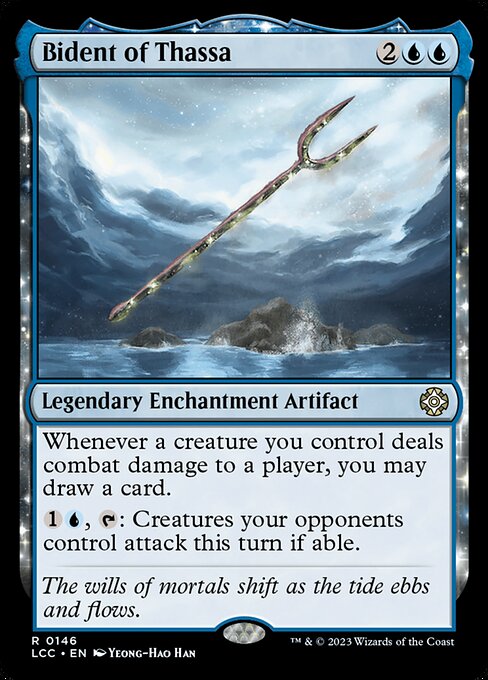
Bident of Thassa
Player damage draw
Wants multiple real combat connections and a way to preserve the engine.

Archetype of Imagination
Shared flying grant
Can change blocker access, but opposing reach and removal remain relevant.

Hurricane
Flying damage answer
Includes player damage and uses damage rules rather than unconditional destruction.
Test a coherent flyer curve instead of a keyword pile
Begin with an opening hand containing lands, early development, and the first meaningful flyer. Rehearse what happens before a five or six mana support card appears. If the deck does nothing until its expensive commander resolves, adding another expensive flyer is unlikely to solve its slow opening. Cheap creatures, mana, and draw need to connect the early turns to the aerial payoff.
Next test an attack against no flying blockers, one reach blocker, and several flyers. Note whether your plan produces cards, merely chips life totals, or cannot attack profitably. Then remove one shared support permanent and evaluate the board again. A robust flyer deck should retain useful creatures or resources after losing an anthem instead of depending on every support card remaining in play together.
The deck building checklist helps balance the creature count with lands and interaction. Keep enough draw that the deck can recover from a wipe, and enough answers to handle engines that do not care about combat. Flying can bypass ground blockers while doing nothing to stop an opposing noncombat win. A clear attack plan still needs ordinary deckbuilding fundamentals.
Build your deck and create a free account to save a flying package organized by bodies, grants, anthems, and payoffs. Compare actual opening turns before spending on a larger threat. When a game stalls, identify whether the missing piece was creature density, power, draw, or an answer to the one legal blocker that mattered.
Flying questions
Build your deck
Put these choices into a Commander list. Create a free account to save your deck and keep tuning it with Deckcipher.
FAQ
Can a flyer block a creature without flying?
Normally yes. Flying restricts which creatures can block a flying attacker; it does not restrict a flying blocker to aerial attackers. Other abilities can still make a particular block illegal, and the blocker normally must be untapped when declared.
Does reach count as flying?
No. It permits blocking creatures with flying but does not grant the flying ability. Reach creatures do not receive a bonus that specifically checks flying, and they do not gain aerial evasion when attacking just because they can defend against flyers.
Can I give flying after blockers to get through?
Giving flying then does not undo a legal existing block. Grant it before blockers are declared if you want to remove ordinary ground blockers from the eligible pool. After blocks, trample or another relevant effect may change damage, but flying alone does not erase blocked status.
Does removing flying after a block cancel the block?
No. A block that was legal when declared ordinarily remains. Removing flying before blockers can change legal choices, while changing abilities after the declaration affects only the later events that actually care about those abilities.
Does Archetype of Imagination make creatures unblockable?
It can open many attacks by granting your creatures flying and removing opponents' flying, but reach and other permissions can still supply blockers. Removal before declarations can also change the board. Read the actual available blockers rather than treating the card as literal cannot be blocked text.
Is a flying deck the same as a Bird deck?
No. Flying is an ability shared by many creature types. A Bird theme may use type based payoffs that do not help Angels or Sphinxes, while a flying payoff can help all of them if they have the ability. Choose the support axis and creature curve deliberately.