
Quick answer
First strike creates earlier combat damage when a relevant creature has it as the damage step begins. Double strike can deal damage in both that first step and the normal step. Players can act between steps, and blocked status does not disappear when a blocker dies.
Combat can contain two separate damage steps
When the combat damage step begins, check whether an attacking or blocking creature has first strike or double strike. If one does, the first damage step is used by the creatures with those abilities. A second combat damage step follows for the appropriate remaining creatures. This is not one damage event that the game simply multiplies afterward.
A creature with first strike normally deals its damage in the first step and not again in the second. A creature with double strike can deal damage in both. A creature that had neither ability when the first step began normally waits for the second step. The creature must still be on the battlefield and in combat when it is supposed to assign damage.
After the first damage event, state based actions are checked, relevant triggers are handled, and players receive priority before the next damage step. Creatures can die, life totals can cause losses, and spells or abilities can change the board in that interval. The second step is based on the resulting situation, not a frozen copy of the attackers and blockers from earlier.
Without a relevant first strike or double strike creature as the damage step begins, combat ordinarily has one combat damage step. First strike is not an activated ability that its controller chooses to use only when it is favorable. The presence of the relevant ability determines the step structure, and the normal rules then determine which creatures deal damage in each step.
A simple first strike exchange
You attack with a 3/3 with first strike. An opponent blocks with an ordinary 3/3. In the first combat damage step, your attacker deals three damage to the blocker. The blocker does not deal damage in that step because it had neither first strike nor double strike when the step began. State based actions then destroy the blocker for lethal damage.
When the normal combat damage step arrives, that blocker is gone and cannot deal its damage. Your first strike attacker has already dealt its combat damage and does not deal damage again merely because it survived. It remains blocked. Without trample or another relevant effect, it does not now deal three damage to the defending player. First strike won the creature exchange, not an extra hit.
Change the blocker to a 4/4 and the outcome changes. Three damage is not lethal, so the blocker can remain for the normal damage step and deal four damage to your attacker. Your 3/3 can then die. First strike is strongest when early damage actually removes or disables what would damage you later. It does not make a smaller attacker safe against every larger creature.
If both creatures have first strike, they deal damage in the same first damage step. Neither one gets to deal damage before the other just because it attacked. Ordinary simultaneous damage rules apply within that step. Adding another instance of first strike does not make a creature faster still or create an earlier special step ahead of the other first striker.
Double strike does not erase blockers
A 3/3 double striker blocked by a normal 2/2 deals three damage to the blocker in the first step. The blocker normally dies. The attacker is still blocked, however. In the normal step, a blocked creature without trample does not automatically assign its damage to the defending player just because its blocker is gone. The second damage opportunity may have no recipient.
If the same attacker is unblocked, it can deal three to the player in the first step and three again in the second, assuming it remains eligible and nothing changes the damage. That simplified six damage result is why double strike is powerful, but the conditions matter. A removal spell between steps, damage prevention, a power change, or a player leaving the game can alter the second event.
With trample, the blocked attacker has a route for excess. A 5/5 double strike trampler blocked by a 2/2 can assign two to the blocker and three through in the first step. If the blocker dies and the attacker survives, it can assign five through in the normal step. The total through is eight in this simplified board, not an automatic ten. The blocker consumed part of the first assignment.
Read the trample guide for protection and indestructible blockers. A blocker surviving first strike damage can remain relevant in the second step. Marked damage may affect the next lethal assignment, but prevention and destruction consequences still need their own checks. Two steps create two related calculations, not permission to skip the second calculation.
| Combat | First damage step | Normal damage step |
|---|---|---|
| 3/3 first strike versus normal 3/3 | Attacker deals three, blocker normally dies | First striker does not hit the player merely because blocker died |
| Unblocked 3/3 double strike | Three damage to player | Another three if still eligible |
| 3/3 double strike versus normal 2/2 | Blocker normally dies | Attacker remains blocked without trample |
| 5/5 double strike trample versus normal 2/2 | Two to blocker, three through is legal | Five through if no blocker remains |
| Two creatures with first strike fighting | No combat damage step involved | First strike does not order fight damage |
The response window between damage steps
Players can respond after the first damage step's consequences are handled and before the normal step deals damage. This window is useful for a power boost on a double striker that survived, removal of a remaining blocker, protection for a threatened creature, or an answer to a payoff trigger. State based actions happen first, so a creature already destroyed by the first damage event is not waiting around to be rescued by a later pump spell.
You cannot respond between assigning combat damage and dealing that assigned damage as an ordinary priority action. If a trick needs to change the first damage event, play it before that event occurs. The later window changes later events. It does not rewind the first damage assignment, restore an already destroyed creature, or change life gain that already happened through lifelink.
An opponent can also remove the attacker between steps. A double striker dealing a threatening first hit does not guarantee the second one. If your line requires both hits, save protection for the actual response you expect rather than spending every card on power before the first event. Conversely, a defending player may wait for information from a first damage trigger before deciding how to use an answer.
Declare which point in combat you mean. After first strike damage and before regular damage is more precise than before damage when some damage has already happened. This is especially valuable with triggers that draw cards or create resources. Resolve the relevant triggers and keep the stack visible so both players know whether a spell is being cast before or after the new information exists.
Adding or removing abilities between steps
The normal step remembers which creatures had neither first strike nor double strike when the first damage step began. Giving first strike to one of those waiting normal creatures after the first step does not stop it from dealing its normal damage. It did not deal early damage and is still eligible under that remembered category. You do not accidentally make it miss all damage by granting the ability late.
Removing first strike from a creature after it dealt first strike damage does not make it eligible to deal normal damage too. It is not a loophole for a second hit. Giving it double strike in the interval can let it deal normal step damage because creatures currently having double strike are eligible there. The exact ability granted matters.
Removing double strike from a creature after its first damage can prevent its second damage. It does not qualify as an ordinary creature that had neither ability when the first step began. Conversely, giving double strike to a creature that did not deal early damage cannot retroactively create a missed first hit. It may deal its normal step damage, but the earlier step has already happened.
Boros Charm can grant double strike to a target creature at instant speed, so its timing can produce these distinctions. Casting it before the first damage step can support both damage opportunities. Casting it between steps on a surviving first striker can create a later opportunity. Casting it after all combat damage is over does not produce another step. Think in terms of remaining events rather than simply counting the abilities on the creature afterward.
Deathtouch, lifelink, and combat damage triggers
First strike plus deathtouch can make a small creature particularly difficult to fight in combat. Nonzero early damage can destroy an ordinary blocker before that blocker deals normal damage. An indestructible blocker can survive that destruction, and a blocker with first strike can deal damage in the same early step. Prevention can stop the deathtouch damage. The combination is strong because of sequence, not because it ignores every other ability.
Lifelink happens with each actual damage event. A double striker dealing damage in both steps can gain life twice. If its second step deals no damage, it does not receive a second life gain just for retaining double strike. A lifelink first striker can gain life before incoming normal step damage, but a player who loses during the first step cannot wait for unrelated later life gain to save them.
Abilities triggering when a creature deals combat damage to a player can trigger in each step where it actually connects. This can make double strike valuable beyond raw damage. Abilities triggering whenever a creature attacks normally trigger once for the attack declaration, not once per damage step. Double strike does not declare a second attack and does not create an extra combat phase.
Akiri, Fearless Voyager illustrates why trigger wording matters in an Equipment deck. Her attack based draw reward cares about attacking a player with equipped creatures, not about a creature hitting twice. Double strike may improve the damage plan while leaving that attack trigger count unchanged. Read the lifelink guide when damage timing and life gain payoffs are both involved.
Commander damage and Equipment choices
Combat damage dealt to a player by a commander contributes to that commander's cumulative damage total. Double strike can add to that total in two steps if both deal damage to the player. Damage dealt to a blocker does not count toward the player's commander damage. Life gained later does not erase commander damage already recorded, and damage from different commanders is tracked separately.
A Voltron deck therefore needs more than double strike. It needs a route through blockers, enough power, protection for the relevant windows, and mana to assemble the pieces. A double striker without evasion can be contained by an expendable blocker despite having impressive printed power. A trampling or otherwise evasive attacker can convert the second step more reliably, though removal remains relevant.
Embercleave combines power, double strike, and trample on an Equipment. Its flash, cost reduction, and attachment trigger create a combat tool with specific timing and targeting. It does not attach without a legal target just because it was cast during combat. Shroud can interfere with your own attachment trigger. Count the actual casting cost after reductions and preserve its required colored mana.
Duelist's Heritage offers a triggered double strike grant when one or more creatures attack. It targets an attacking creature and can be used politically when other players attack, according to its text. The grant still needs to resolve before the damage steps you want it to affect. A permanent sitting on the board does not make every attack automatically have double strike without the trigger and target decision.
Support cards and the events they care about
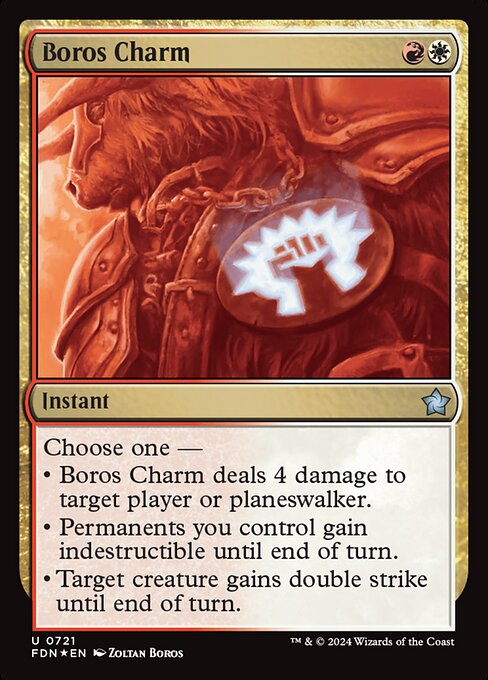
Boros Charm
Instant speed grant
Timing before or between damage steps changes which remaining damage events it can improve.
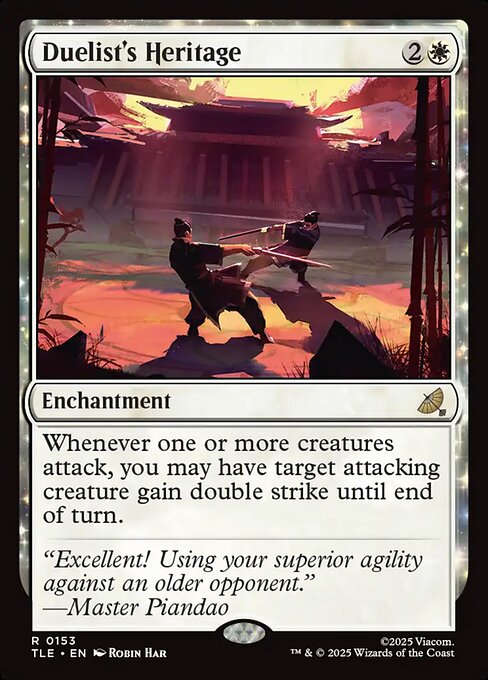
Duelist's Heritage
Attack trigger support
Requires an attacking target and a resolving trigger before the intended damage.
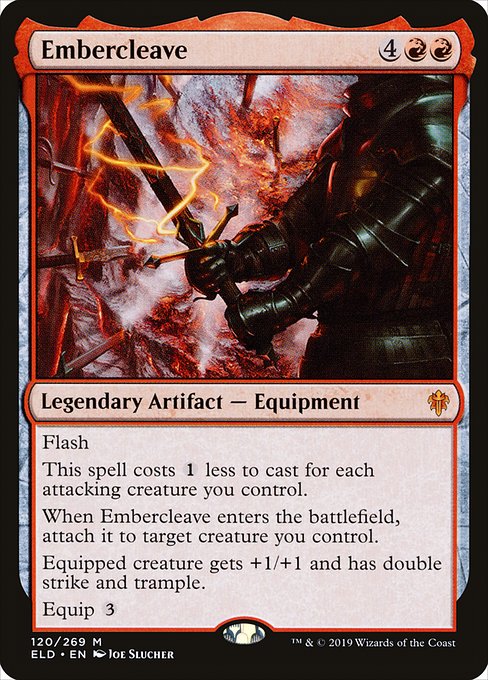
Embercleave
Equipment threat
Combines trample and double strike but still needs costs, targets, and legal attachment.
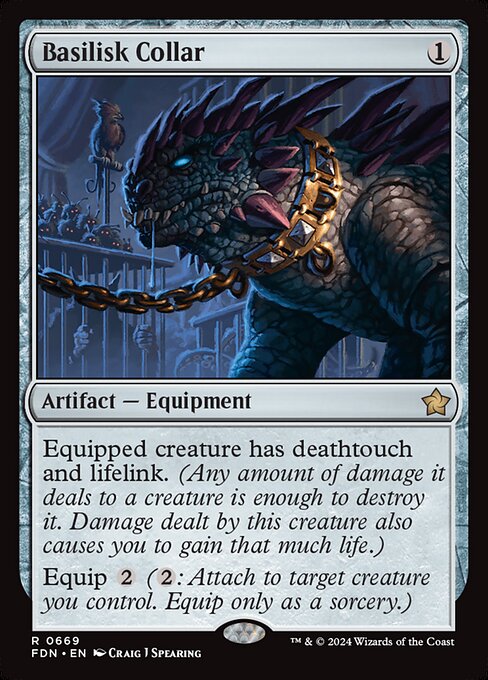
Basilisk Collar
Damage interaction
Deathtouch and lifelink can make each actual damage event more valuable.
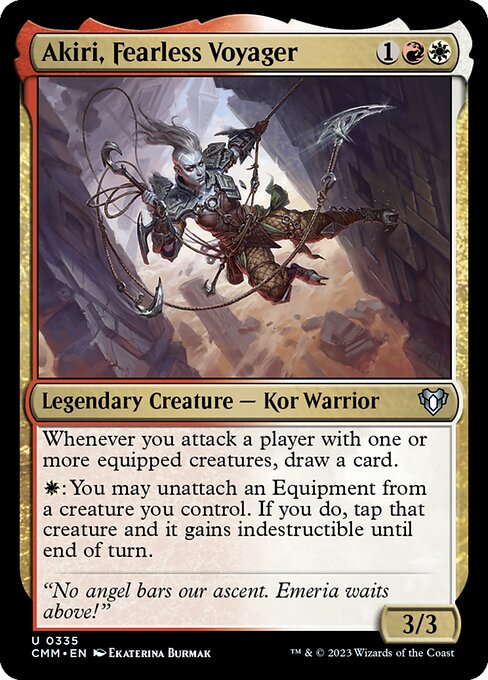
Akiri, Fearless Voyager
Attack payoff example
An attack trigger is not doubled merely because a creature deals damage twice.
Practice the exact damage plan before committing cards
Take one attacker and test it against no blocker, a small normal blocker, a larger normal blocker, and an indestructible blocker. Give it first strike in one version and double strike in another. Write down which creatures assign damage in each step, what dies after the first event, and whether the attacker is still blocked. This exercise exposes the difference between winning a trade and damaging a player.
Then add trample and one instant speed trick. Use the trick before the first step once and between steps once. Compare the damage totals and the protection you have left. A card that adds power for both hits can be explosive, but committing all your resources before an opponent's removal can also lose the whole attack. The best line depends on the answer you expect and the cost of losing the threat.
Use the interaction checker to inspect how you protect a commander during the window between steps. The deck building checklist helps keep Equipment, evasion, mana, and draw in balance. A list with many double strike payoffs and no safe attack route can look powerful while repeatedly losing to ordinary blockers.
Build your deck and create a free account to save the combat package you want to test. Record damage to players separately from damage to creatures and commander totals. When an attack underperforms, identify whether the problem was evasion, power, timing, or protection before adding another expensive combat card.
First strike and double strike questions
Build your deck
Put these choices into a Commander list. Create a free account to save your deck and keep tuning it with Deckcipher.
FAQ
Does first strike deal damage twice?
No. It normally deals damage in the early step and not again in the normal step. Double strike is the ability that can deal in both. Multiple instances of first strike do not create extra hits or an even earlier damage step.
Does killing a blocker let double strike hit the player?
Not by itself. The attacker remains blocked after the blocker dies. Without trample or another relevant effect, its later damage does not automatically go to the player. Trample can permit assignment through in the second step under the actual remaining board state.
Can I cast a spell between the damage steps?
Yes, after the first damage event, state based actions, and relevant trigger handling, players receive priority before the normal step. You cannot rescue a creature that has already left the battlefield through lethal first strike damage simply by pumping it afterward.
Can I remove first strike to deal normal damage too?
Removing first strike after the early hit does not create another hit. Giving that creature double strike can make it eligible for normal step damage. The rule tracks which creatures had neither ability at the start of the first step and which currently have double strike.
Does first strike work during a fight?
No. Fight damage is not combat damage and does not use combat damage steps. Deathtouch and lifelink can still affect damage a creature deals during a fight, but first strike does not make one creature deal its fight damage before the other.
Does double strike double attack triggers?
No. The creature was declared as an attacker once. It may trigger combat damage abilities in both steps if it actually deals qualifying damage in both, but that is different from another attack declaration or another combat phase.