
Quick answer
Damage dealt by a source with lifelink causes its controller to gain that much life as the damage happens. Lifelink is not a triggered ability. It works with combat and noncombat damage, but does nothing when no damage is actually dealt.
Lifelink changes the damage event immediately
Lifelink connects actual damage to life gain. If your 4/4 with lifelink deals four damage to an opponent, you gain four life as that damage is dealt. There is no separate lifelink trigger waiting on the stack. The life gain is part of the damage event's consequences. This timing matters when several creatures deal damage at once and your life total is low.
The controller of the damage source receives the life gain. Giving an opponent's creature lifelink does not ordinarily make you gain life from that creature's damage. If a source has no controller, the relevant rules use its owner. Most Commander examples involve creatures you control, but keeping the source and its controller clear prevents confusion with stolen creatures and damage abilities.
Lifelink is not limited to damage dealt to players. Damage to a creature, planeswalker, or battle can also cause life gain. It is not limited to attacking either. A blocking creature with lifelink can gain life from its combat damage. An appropriate noncombat damage ability can do the same when the creature or other actual source has lifelink.
The keyword does not increase power, create damage, or promise that an attack connects. A zero power creature normally deals no combat damage and gains no life through lifelink. A blocked attacker may gain life from damage to a blocker even when no damage reaches the player. Decide whether the deck wants survival, repeatable triggers, or a life based payoff before counting a lifelink card as a complete engine.
Simultaneous damage can save you from a life total loss
Suppose you are at five life. During one normal combat damage step, an unblocked opposing creature deals seven damage to you while your lifelink blocker deals three damage to another attacker. Those damage events happen simultaneously in the example. You lose seven life and gain three life as part of that damage processing, leaving you at one. State based actions then check the resulting game state.
You do not lose at the intermediate arithmetic of five minus seven before the simultaneous lifelink gain is considered. There is no priority window inside that simultaneous damage event. This is different from a triggered ability that would gain life later. A trigger waiting on the stack cannot rescue a player who has already lost when state based actions are checked before the trigger resolves.
The example does not make all incoming damage safe. If you begin at five, take ten, and gain three, the resulting life total is still below one. If the lifelink creature's damage is prevented, the expected three life never arrives. If first strike separates the damage into different steps, the later life gain may happen too late. Work with the actual timing and damage amounts, not a general promise that attacking with lifelink prevents losing.
Other loss conditions remain separate. Reaching the commander damage threshold from a particular commander or reaching ten poison counters can make you lose even if lifelink leaves you with a positive life total. Life gain changes life. It does not erase counters or combat damage history. The poison counter reference is useful when a poison attack and a lifelink block happen in the same combat.
Damage to a small or indestructible creature still counts
A 6/6 lifelink creature blocked by a 1/1 can deal six damage to that blocker and gain six life. The life gain is based on damage actually dealt, not the blocker's remaining toughness or how much damage was necessary to destroy it. Overkill damage is still damage. Without trample, that does not mean excess damage was dealt to the defending player.
An indestructible blocker can receive the damage and survive. Indestructible prevents destruction, not damage. Your source can still gain life from damage dealt to that blocker. If the blocker instead has protection from the damage source's quality, the relevant damage may be prevented and the life gain correspondingly absent. Similar looking surviving blockers can therefore produce different life totals.
Prevention and replacement effects can change the amount of damage actually dealt. If three of six damage is prevented, the source ordinarily causes life gain from the remaining three. If all damage is prevented, there is no lifelink gain from that event. A spell that makes a player lose life without dealing damage does not produce lifelink life gain merely because the source somehow has the keyword.
Read a damage source's wording carefully when assigning roles. Basilisk Collar on a creature that can deal damage offers both life gain and a potential deathtouch interaction. A high toughness defender with no meaningful power may survive many blocks while gaining very little. Life gain based on damage asks for actual damage output, not simply a permanent that is difficult to remove.
Noncombat damage, fight, and the actual source
A creature with lifelink can gain life from damage it deals through a fight effect. A fight normally causes each creature to deal damage equal to its power to the other. If your 4/4 lifelink creature fights a 5/5, it can gain four life while also receiving five damage. It may die afterward if no defense applies. Lifelink helps the player, not the creature's toughness.
An activated ability that makes the creature deal damage can also use its lifelink. If a repeatable damage creature wears Basilisk Collar, its own damage can gain life and its deathtouch can threaten creatures. That can create an engine worth answering before it untaps. The ability still needs legal targets, activation costs, and time to resolve. Opponents can interact at the relevant priority windows.
Do not transfer lifelink to an unrelated spell's damage. If an Equipment or spell is itself the damage source, the equipped creature's lifelink does not automatically apply. Some effects grant an ability to the creature, while others deal damage directly. Identify the grammatical and rules source in the actual text. A creature being involved in a card's story is not enough.
If a source leaves the battlefield before its already activated ability deals damage, the rules may use its last known information for the relevant characteristics. This is more precise than saying removal always stops the life gain or that the ability always forgets the keyword. Read the ability and source together. Removing a creature before it activates or before a damage trigger is created is a different sequence from removing the source after an ability exists.
| Event | Does lifelink gain life? | Reason |
|---|---|---|
| Four combat damage to a player | Four life | Actual source damage is the measure |
| Six damage to a 1/1 blocker | Six life if all damage is dealt | Gain is not capped at toughness |
| Damage to an indestructible creature | Yes if damage is dealt | Indestructible does not prevent damage |
| Damage fully prevented | No gain from that damage | No damage was dealt |
| An opponent loses life without damage | No lifelink gain | Life loss and damage are different events |
First strike, double strike, and repeated life gain
First strike can make lifelink happen earlier in combat. A lifelink first striker that deals damage in the first damage step gains life then, before the normal combat damage step. That can improve your life total before later damage arrives. It may also destroy an attacker before that attacker deals normal damage, depending on the exchange.
Double strike can produce two damage events and therefore two opportunities to gain life. It does not guarantee twice the creature's power in life gain. If a blocked double striker kills its only blocker in the first step and has no trample, it remains blocked and may have nothing to deal damage to in the second. If it is removed between steps, it will not deal later damage. Prevention can affect either event separately.
Multiple instances of lifelink on the same source are redundant. Putting Basilisk Collar on a creature that already has lifelink does not double the life gain from its damage. A separate triggered ability that gains life when damage is dealt may add its own effect, but that is not a second application of the keyword. Look for distinct text rather than counting appearances of the word lifelink.
When several lifelink sources deal damage simultaneously, the game can treat their life gain as distinct life gain events for abilities that care about those events. The amount and number of triggers can therefore matter separately. A payoff that triggers whenever you gain life does not necessarily behave like one that checks whether you gained life this turn. Read the exact payoff before choosing many small sources over one large source.
Life gain payoffs: amounts, events, and targets
Vito, Thorn of the Dusk Rose triggers whenever you gain life and makes a target opponent lose that much life. It turns a lifelink damage event into a later targeted triggered ability. The original life gain happens immediately, then the Vito trigger follows the normal stack process. Opponents may answer that trigger with an appropriate effect or interact before future damage events.
Vito's target matters in multiplayer. The trigger does not automatically make every opponent lose the amount. You choose one legal target opponent for each trigger. If an opponent has a targeting restriction, it can matter to this ability even though ordinary combat damage does not target. Vito's activated ability grants lifelink to your creatures for the turn, but it does not double lifelink already present.
Vizkopa Guildmage offers a different payoff. Its second ability creates a delayed effect for the turn that makes each opponent lose life when you gain life. Activating that ability costs real mana and must happen before the life gain you want it to reward. Activating it after a lifelink hit does not retroactively create a trigger for that earlier event. Multiple resolved activations can create multiple delayed triggers, but they require the corresponding resources.
Soul Warden illustrates another distinction. It gains life when another creature enters. That is not lifelink and needs no damage. A deck may want both forms of life gain, but their support differs. Creature entry engines need creatures arriving; lifelink engines need sources dealing damage. Combining them is sensible when the creature plan supplies both events, not merely because both increase a life total.
Choose lifelink support for the combat you expect
Basilisk Collar is focused support for one creature at a time. It can be particularly useful on a damage creature or a threat that naturally deals meaningful damage. Its cast and equip costs must be included in the turn. Equipment still needs a legal equip target, and normal equip timing applies. A creature with shroud can frustrate your own attempt to attach it.
Vault of the Archangel grants your creatures deathtouch and lifelink through a land activation. It can change a wide combat, but using the ability needs the specified mana and tapping the land. Count the land's own use alongside the other mana you must pay. As a colorless mana source in ordinary use, it can also affect early colored requirements in an Orzhov deck.
A team lifelink activation is strongest when several creatures can actually deal damage that turn. Spending a whole turn granting lifelink to an empty board accomplishes little. A one creature Voltron plan may prefer focused support, while a token board can benefit from a temporary team grant. The distinction between gaining life and drawing cards remains important: a larger life total does not replace the resources needed to maintain pressure.
Use the deck building checklist to keep payoff cards balanced with actual enablers. A list full of cards rewarding life gain can stall if it cannot reliably gain life. A list full of lifelink creatures can survive while failing to close. Decide how the life gain becomes cards, mana, board pressure, or a win before adding another payoff that needs the same missing input.
Lifelink and life gain cards with different inputs
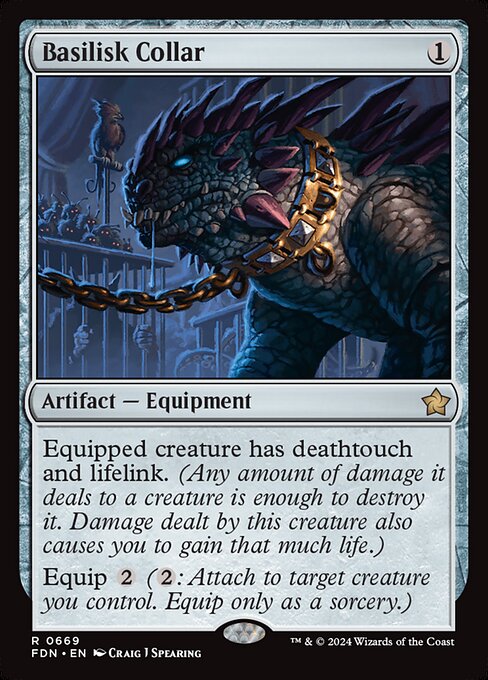
Basilisk Collar
One damage source
Can change a repeatable damage creature as much as a combat attacker.

Vault of the Archangel
Wide combat activation
Needs mana and an attacking or blocking board that will deal damage.

Vito, Thorn of the Dusk Rose
Targeted life loss payoff
Converts a life gain event into a separate trigger aimed at one opponent.
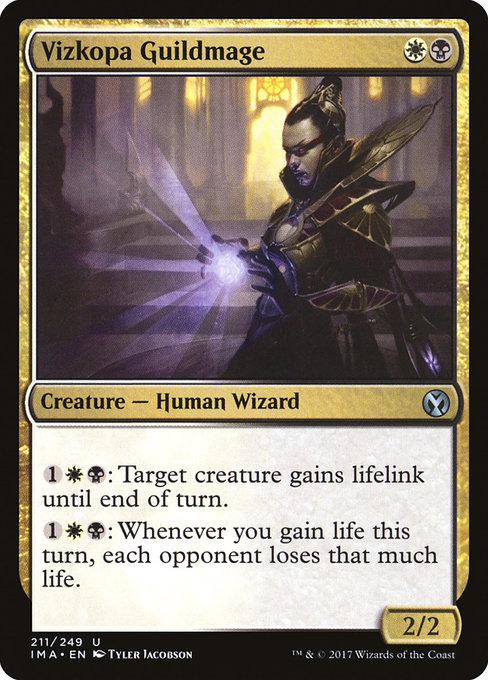
Vizkopa Guildmage
Turn based payoff
Activate the delayed payoff before the life gain you want to reward.

Soul Warden
Creature entry source
Gains life through a trigger rather than damage or lifelink.
Answer a lifelink engine and test the numbers
Against lifelink, damage prevention can stop both damage and its associated life gain. Removing the damage source before the relevant event can also work. Removing a payoff after it has already triggered does not erase the existing trigger. Decide whether the immediate life total swing or the later payoff is the actual problem before spending an answer.
Sometimes refusing a block changes the life gain less than expected. A large lifelink creature may gain the same amount by damaging your blocker as by damaging you. Blocking can still protect your life or commander damage total, but it does not automatically deny the opponent life gain. An expendable blocker with a sacrifice outlet can create a different result for a nontrampling blocked attacker, while trample can change that line again.
Test one simultaneous damage scenario, one first strike scenario, and one attack into a small blocker. Calculate the damage actually dealt and then the life gain. Add a payoff trigger only after that event and identify its target. The interaction checker can help inspect whether your deck can answer the source or payoff at the relevant time.
Build your deck and create a free account to save a life gain plan with those sequences in mind. Note which cards supply life, which reward it, and which keep the engine drawing cards. That division makes it easier to replace a redundant payoff with an enabler or protection spell when the deck gains plenty of life but still runs out of useful actions.
Lifelink questions
Build your deck
Put these choices into a Commander list. Create a free account to save your deck and keep tuning it with Deckcipher.
FAQ
Does lifelink use the stack?
The keyword itself does not create a trigger. Damage causes the life gain as part of the damage event. A separate card that triggers whenever you gain life does use the normal triggered ability process. Keep that later payoff distinct from the immediate life gain.
Can lifelink save me from simultaneous lethal damage?
It can if the resulting life total after simultaneous damage and lifelink gain is above zero. A later triggered life gain effect cannot rescue you after state based actions make you lose. Poison and commander damage loss conditions are separate and are not erased by life gain.
Do I gain only a blocker's toughness?
No. You gain based on damage actually dealt by the lifelink source. Six damage dealt to a 1/1 can gain six life. Prevention can reduce the actual damage, and indestructible can let the blocker survive without preventing that damage.
Does lifelink work with fight?
Yes, when the lifelink creature is actually dealing fight damage. Fight is noncombat damage, but lifelink is not limited to combat. The creature can still receive opposing damage and die afterward. First strike does not make fight damage happen early.
Does two lifelink mean twice the life?
No. Multiple instances of the keyword on one source are redundant. Separate abilities can produce additional life gain or payoffs, but that comes from their own text. Read whether a card grants lifelink or creates an independent triggered effect.
Does infect prevent lifelink from working?
No. Infect damage is still damage even though its consequences include poison counters for players or -1/-1 counters for creatures. A source with infect and lifelink can still cause life gain based on damage dealt. The receiving player's poison total is not reduced by that gain.