
A cEDH keep must have a job by turn two
The short version of this cEDH mulligan guide is simple: keep hands that produce mana, pressure, protection, or a card engine by turn one or two. Ship hands that only become good after several fair draw steps. A keep needs a first-two-turn sequence, correct colors, and a reason it can survive three opposing game plans.
Opening hand targets
Commander mulligan rules in plain English
In multiplayer Commander, each player gets one free mulligan. Draw seven, decide whether to keep, and if you take that first multiplayer mulligan you shuffle and draw seven again without bottoming any cards. After that, Commander uses the London mulligan: every time you mulligan, draw seven, then when you keep, put one additional card on the bottom of your library for each mulligan beyond the free one. In practice, your first kept hand after the free mulligan is seven cards, the next is six, then five, then four.
That rule matters because cEDH rewards selection. You are not merely losing random cards; you are looking for a hand with a real job. A functional six with land, acceleration, an engine, and free interaction is often better than a seven that makes land drops and waits.
This guide assumes sanctioned Commander rules and the current normal Commander banlist at the time of publication, so its examples avoid banned Commander benchmarks such as Mana Crypt, Jeweled Lotus, and Dockside Extortionist. Always confirm the live banlist for your event or local league before treating any card as legal. Legal keep-shaping cards discussed here include Chrome Mox, Mox Diamond, Lotus Petal, Mox Opal when enabled, Lion's Eye Diamond, Ancient Tomb, mana dorks, rituals, tutors, and commander-specific engines. The advice is also cEDH-specific: it assumes optimized lists, high tutor density, free interaction, and pods where wins or lock pieces can appear in the first few turns.
The four questions every opener must answer
Before deciding whether to keep, ask four questions in order. Can this hand cast relevant spells on time? Does it create advantage, threaten a win, stop a win, or deploy a lock piece? Are the colors real, not theoretical? Does the commander make the hand better, or does the hand collapse if the commander is delayed?
The best openers combine roles. Turbo Ad Nauseam decks want mana plus payoff, often with Pact of Negation, Force of Will, Silence, or discard. Blue Farm can keep slower if Tymna, Kraum, Rhystic Study, Esper Sentinel, or Mystic Remora will generate cards while free interaction buys time. Kinnan keeps usually want turn-one acceleration into turn-two Kinnan. Magda keeps want a legal way to cast Magda and start tapping Dwarves for Treasures.
Legal cEDH cards that change mulligan decisions

Sol Ring
Fast mana
Makes slow-looking hands much faster, but still needs colored mana or a payoff.
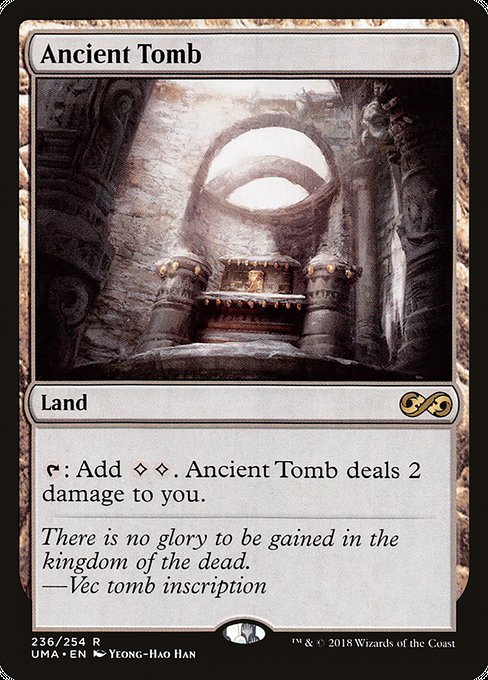
Ancient Tomb
Explosive land
Excellent for early artifacts, stax pieces, and commanders, but does not fix colors.
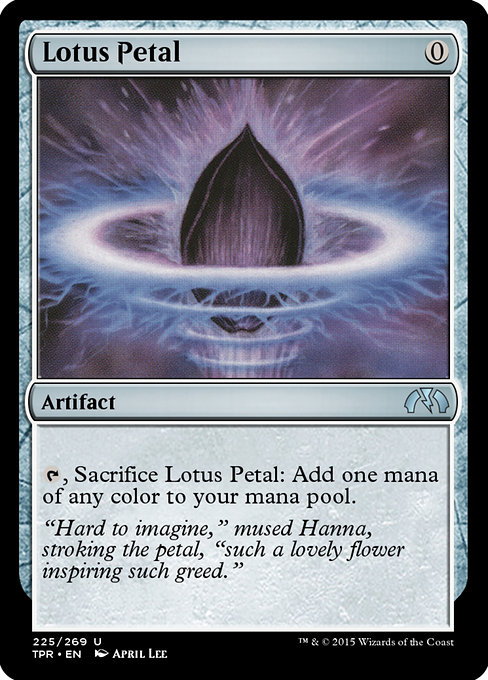
Lotus Petal
Burst fixing
Turns one-land hands into real sequences when the payoff is immediate.
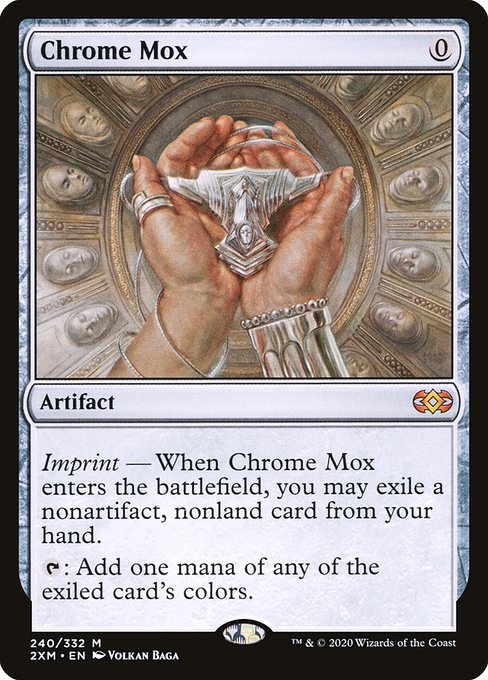
Chrome Mox
Fast colored mana
The imprint cost is acceptable when the exiled card is redundant or too slow for the opener.
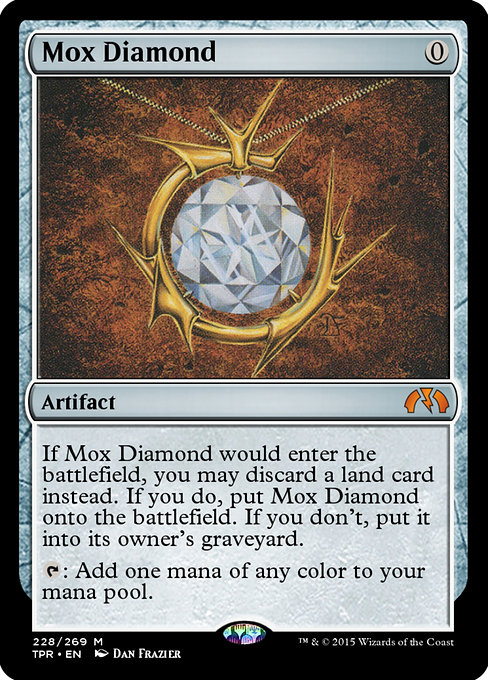
Mox Diamond
Fast colored mana
Great with two or more lands; risky in one-land hands because the discard can strand you.
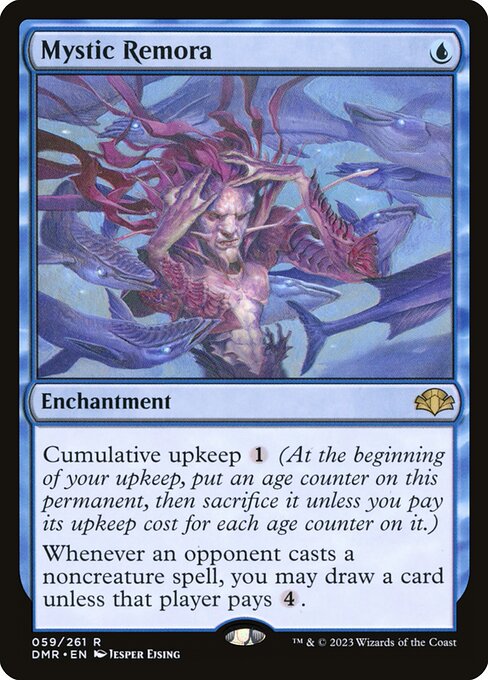
Mystic Remora
Early draw engine
Excellent in blue openers, especially from later seats where opponents must develop through it.
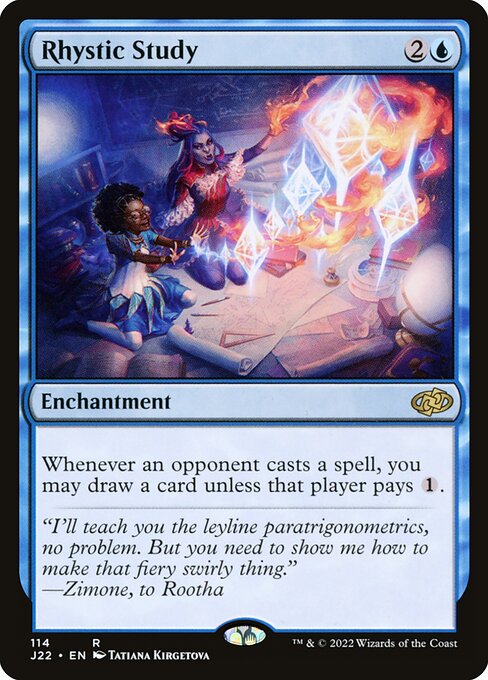
Rhystic Study
Draw engine
A strong slower keep when accelerated out or paired with free interaction.
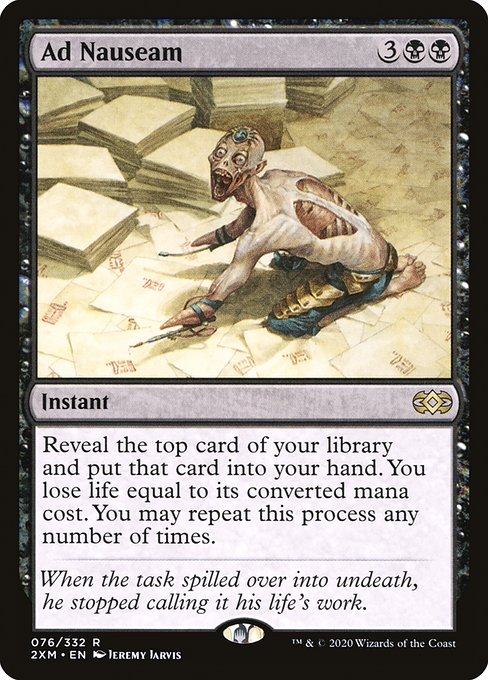
Ad Nauseam
Win engine
A keepable payoff only when the hand can cast or tutor into it quickly.
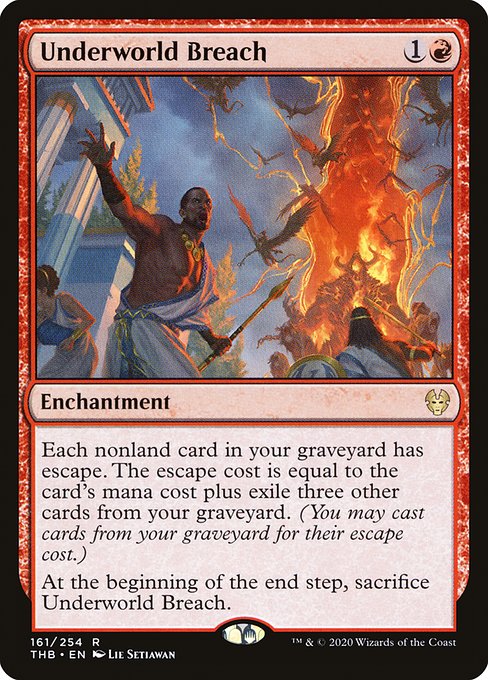
Underworld Breach
Combo engine
Best when the opener can stock the graveyard, make mana, or tutor toward a deterministic line.
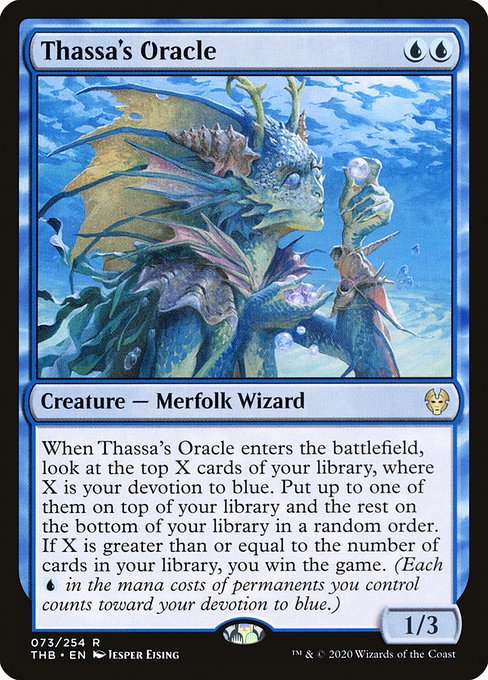
Thassa's Oracle
Win condition
A compact win piece, but not a keep by itself without Consultation, Pact, or selection.
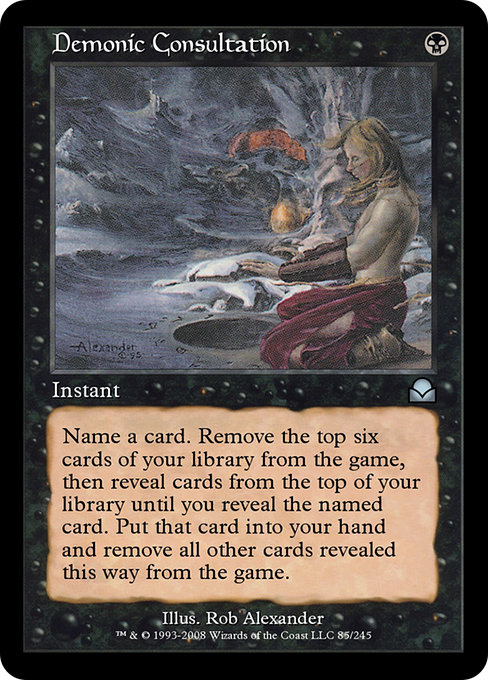
Demonic Consultation
Combo piece
Raises the value of hands that can find or already contain the matching win condition.
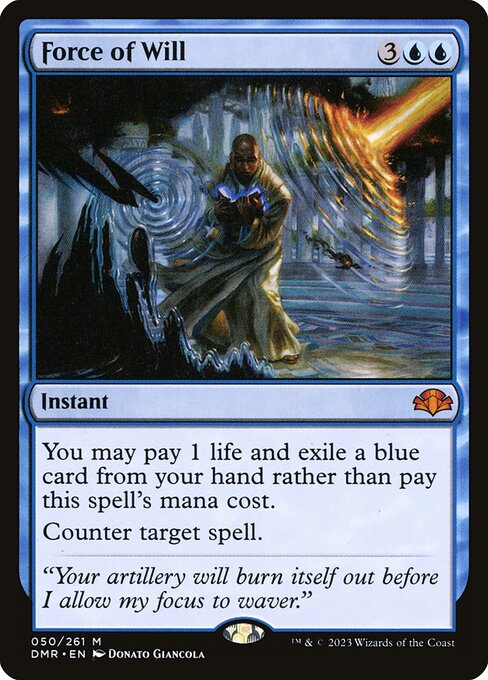
Force of Will
Free interaction
Lets proactive hands keep without leaving mana open, but requires a blue card.
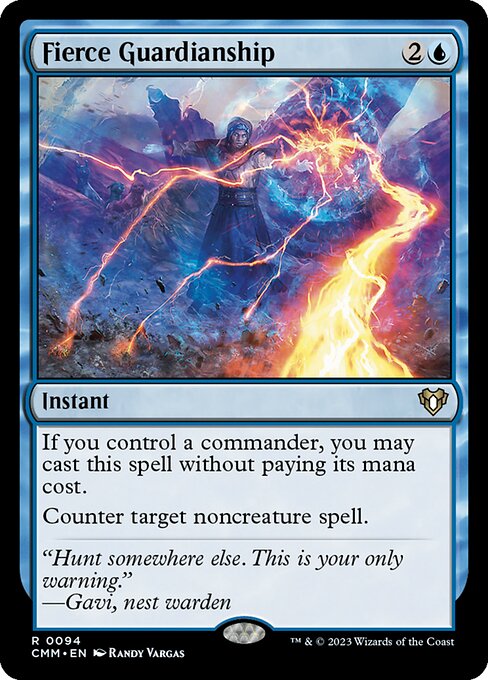
Fierce Guardianship
Free protection
Best when the hand can deploy its commander early enough to turn it on.
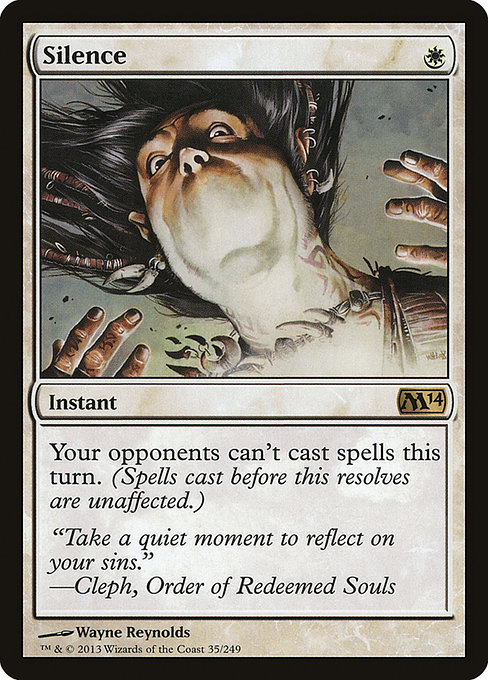
Silence
Protection and disruption
Protects your win attempt or stops another player for a turn.
Exact opening-hand examples
Rograkh/Silas turbo, seat one: Bloodstained Mire, Lotus Petal, Chrome Mox, Dark Ritual, Ad Nauseam, Pact of Negation, Brainstorm. Keep. Turn one fetch Badlands, imprint Brainstorm on Chrome Mox for blue, tap Badlands for black and cast Dark Ritual, then use the Ritual mana, Chrome Mox, and Lotus Petal to cast Ad Nauseam. Mana check: Ad Nauseam needs 3BB; this line produces five total mana with the required black. Pact protects the attempt. At six, bottom Pact only in a pod where speed matters more than protection; otherwise bottom Brainstorm before keeping this seven-card texture.
Blue Farm, seat four into a blind pod: Flooded Strand, Volcanic Island, Chrome Mox, Mystic Remora, Force of Will, Ponder, Swords to Plowshares. Keep. Turn one fetch Tundra or Underground Sea as needed, cast Mystic Remora with blue, and hold Force of Will by pitching Ponder if necessary. Chrome Mox can imprint Swords later for white if the game slows. Mana check: Remora costs U, so one blue land is enough; the hand does not pretend one land plus Chrome Mox casts Rhystic Study. At six, bottom Swords in a non-creature pod or Chrome Mox if you expect Remora to refill you.
Kinnan, Bonder Prodigy, seat two: Tropical Island, Lotus Petal, Mana Vault, Birds of Paradise, Basalt Monolith, Force of Negation, Swan Song. Keep. Turn one Tropical Island casts Birds of Paradise, and Lotus Petal supplies the extra mana for Mana Vault. Turn two tap Tropical Island for U or G, Birds for the other color, and cast Kinnan; Mana Vault then taps for three colorless that Kinnan increases by one, giving four colorless toward Basalt Monolith or an activation plan. Mana check: Birds and Mana Vault are both legal on turn one because Lotus Petal supplies the extra generic mana. At six, bottom Basalt if you need a stable ramp-control hand, or Swan Song if you are racing a slower pod.
Magda, Brazen Outlaw, seat one: Mountain, Cavern of Souls, Mox Diamond, Springleaf Drum, Universal Automaton, Magda, Pyroblast. Keep. Turn one play Cavern naming Dwarf, cast Mox Diamond discarding Mountain, tap Cavern for Universal Automaton, tap Mox Diamond for red to cast Springleaf Drum, then tap Automaton with Drum for red and cast Magda. Mana check: Cavern casts the Dwarf, Mox casts Drum, and Drum plus Automaton casts Magda; no spent source is counted twice. Turn two, Automaton can attack or tap to make a Treasure, while Pyroblast covers blue interaction. At six, bottom Pyroblast only if the table is not blue-heavy.
Najeela, the Blade-Blossom midrange, seat three: Command Tower, City of Brass, Delighted Halfling, Nature's Claim, Fierce Guardianship, Derevi, Empyrial Tactician, Demonic Tutor. Keep. Turn one Command Tower casts Delighted Halfling. Turn two City of Brass plus Halfling casts Najeela, with Halfling making the commander uncounterable. Mana check: Najeela needs 2R, and Command Tower, City, and Halfling provide three mana including red. Fierce turns on once Najeela resolves. At six, bottom Derevi unless you already know the pod will let combat develop.
Tivit, Seller of Secrets control, seat four: Underground Sea, Ancient Tomb, Talisman of Dominance, Rhystic Study, Force of Will, Cyclonic Rift, Orcish Bowmasters. Keep. Turn one Ancient Tomb casts Talisman. Turn two Underground Sea plus Talisman plus Tomb casts Rhystic Study while Force of Will can pitch Cyclonic Rift. Mana check: Rhystic needs 2U; Underground Sea supplies U and Tomb/Talisman supply the generic mana. At six, bottom Bowmasters or Rift depending on whether you expect wheels and draw engines.
Winota stax, seat one: Plateau, Ancient Tomb, Chrome Mox, Esper Sentinel, Archon of Emeria, Thalia, Guardian of Thraben, Recruiter of the Guard. Keep. Turn one Ancient Tomb, Chrome Mox imprinting Recruiter, then cast Archon of Emeria using Tomb plus white from Chrome Mox. Turn two Plateau casts Esper Sentinel or Thalia. Mana check: Archon costs 2W, Tomb supplies two colorless and Chrome Mox supplies white. This is a good slower keep because turn-one Rule of Law pressure changes the whole pod. At six, bottom Thalia if Archon is the primary lock.
Generic Grixis control trap: Island, Swamp, Command Tower, Thassa's Oracle, Demonic Consultation, Ad Nauseam, Underworld Breach. Mulligan. The cards are powerful, but the hand has no acceleration, no protection, no selection, and no clean first two turns. Mana check: Oracle plus Consultation is castable on turn three, but unprotected and obvious; Ad Nauseam is not close. A one-land hand with Lotus Petal, tutor, and protection may be better than this famous pile.
Six-card hands: choose a lane
At six, stop trying to preserve every category. Bottom the card that does not serve the first two turns. If the hand is an engine hand, keep the mana and engine. If it is a protected combo hand, keep the line and protection. If it is a stax hand, keep the lock piece and the mana that casts it. A legal six is not just six powerful cards; it is five or six cards that still pass the mana check.
How to evaluate common six-card textures
| Hand texture | Usually keep? | Why | What to bottom |
|---|---|---|---|
| Two mana sources, early engine, one protection spell, two follow-ups | Yes | Development plus protection is a real cEDH plan. | Most expensive follow-up |
| Fast mana, tutor, payoff, no protection, weak colors | Maybe | Keep only if the tutor is castable and the pod is not loaded with free interaction. | Redundant payoff |
| Three lands, interaction, no engine, no commander plan | Usually no | Stopping one opponent does not beat the other two. | The hand itself is the problem |
| One land, Lotus Petal, Chrome Mox, engine, protection, payoff | Often yes | Keep if the imprint is acceptable and the first land casts the engine. | Payoff if the engine is the plan |
| Mox Diamond, one land, no cantrip, no engine | Usually no | Discarding the only land makes the hand a trap. | Do not keep |
Chrome Mox is best when it exiles a redundant cantrip, extra tutor, or spell that is too slow for the opener. Do not imprint your only blue card under Force of Will unless the resolved engine is worth becoming shields-down. Mox Diamond is strongest with two or three lands; in one-land hands it often converts a speculative keep into a nonfunctional one.
Five-card hands: look for unfair compression
A five-card hand is keepable when one card does multiple jobs. Mystic Remora can convert a low-resource blue hand into a full grip. Esper Sentinel can do the same in white decks. Kinnan, Tymna, Najeela, Magda, and Tivit can justify smaller hands because the commander generates mana, cards, pressure, or deterministic progress. A bad five is land, land, expensive spell, narrow answer, expensive payoff.
At five, ask whether your first two turns would still matter if you never draw a land. If not, the hand is probably a comfort keep. Legal examples are simple: Tropical Island, Lotus Petal, Birds of Paradise, Swan Song, and Kinnan has turn-one Birds and turn-two Kinnan; Island, Mystic Remora, Force of Will, blue pitch card, and Lotus Petal has turn-one engine plus protection. A five with two lands and three late-game cards is not compressed enough.
Four-card hands: rare, but not random
Going to four should be uncommon. A keepable four needs land plus explosive mana into an engine, a commander that immediately generates cards or mana, or a compact protected line. Island, Mystic Remora, Force of Will, and another blue card can be a real four because it presents a turn-one engine and live free interaction. Land, Chrome Mox, castable engine, and a redundant colored card can also work if the imprint produces the color the hand needs. Land, land, removal spell, five-mana payoff is not.
The goal is not comfort; it is maximizing live outs. A nonfunctional seven is not really a seven. A four that casts spells, draws cards, or stops a turn-one win may have more game actions than a larger hand full of stranded power.
Position and pod adjustments
Seat one improves proactive turbo and stax hands because you act before shields are up. Seat four improves free interaction, Mystic Remora, Rhystic Study, and hands that punish opponents for developing. In a known turbo pod, ship slow value hands without Force, Pact, Mindbreak Trap, Silence, or fast pressure. In a known stax pod, prioritize mana dorks, basic-compatible mana, creature-based engines, and hands that can function under Rule of Law or artifact hate.
In a blind tournament pod, keep the hand with the most robust first two turns, not the greediest ceiling. A Blue Farm hand with turn-one Esper Sentinel and Force may be better than an unprotected Ad Nauseam hand from seat four. A Winota or Tymna stax hand with turn-one tax pressure is acceptable even if it is not threatening an immediate win, because it changes what every other opener can do.
Slower keeps are acceptable when they are specifically good: control seat with free interaction plus Rhystic Study, stax opener with turn-one Rule of Law pressure, or commander-centric hand that starts producing cards immediately. Slower keeps are not acceptable just because the spells are individually strong.
Common cEDH mulligan mistakes
- Keeping recognizable power instead of a sequence. Famous cards do not matter if they cannot be cast or do not connect to a plan.
- Overvaluing land count. Two lands and no action can be worse than one land with fast mana, selection, and a turn-one engine.
- Ignoring color requirements. Sol Ring and Ancient Tomb are powerful, but they do not cast Silence, Mystic Remora, or Demonic Consultation without colored help.
- Counting the same mana source twice. If Lotus Petal casts Springleaf Drum, it cannot also help cast Magda.
- Keeping interaction-only hands without progress. Stopping one win attempt is not enough if you have no engine, tutor, or commander plan.
- Bottoming against the hand's role. At six or five, do not keep the expensive backup card if it weakens the first two turns.
Mulliganing by deck construction
Your deck determines how aggressively you can ship. High tutor density makes smaller hands stronger because a single Vampiric Tutor, Demonic Tutor, Gamble, Worldly Tutor, or Finale of Devastation can represent a full line. Commander-dependent decks need more hands that cast the commander early. Four- and five-color decks must be honest about color sequencing; one fetchland is not always every color when the hand needs blue now, white next, and black for the win.
Count how many keepable engines and one-card enablers your list actually has. If your deck only has a few early engines, you cannot mulligan as if every six will contain one. If your curve is full of three-mana value cards, use the Mana Curve Calculator to see why hands feel clunky. If your hand needs protection to win, use the Interaction Checker to confirm you are not relying on too few free or one-mana answers.
Practice the first two turns, not just the keep
Enter a sample hand such as Command Tower, Chrome Mox, Rhystic Study, Force of Will, Ponder, Swords to Plowshares, and Volcanic Island. Then test whether the first two turns still work after choosing an imprint and bottom.
Final keep rules
The best cEDH mulligan rule is not 'always keep fast mana' or 'never keep slow hands.' Keep hands with a coherent job in the actual pod. A strong opener advances your win, creates durable advantage, deploys meaningful stax, or prevents the table from ending the game before you can act. If it does none of that by turn two, it is probably not a keep.
Be willing to use the free mulligan. Be willing to go to six. Go to five when the larger hands are fake. Go to four rarely, but correctly, when the four has mana plus a real engine. cEDH rewards players who mulligan toward function, not comfort.
FAQ
How aggressively should I mulligan in cEDH?
More aggressively than in casual Commander, but not blindly. Use the free multiplayer mulligan, then keep hands that affect the game by turn one or two with mana, an engine, a protected win, stax pressure, or relevant interaction.
Is a one-land hand keepable in cEDH?
Yes, if it has reliable acceleration, colors, and a meaningful early play. A one-land hand with Lotus Petal, Chrome Mox, a castable engine, and protection can be excellent. A one-land hand that must draw a second land immediately is usually a trap.
Should I always mulligan for fast mana?
No. Fast mana is strongest when it casts an engine, commander, tutor, stax piece, or protected win attempt. Acceleration without payoff can still lose.
When is it correct to keep an interaction-heavy hand?
Keep interaction-heavy hands when they also contain mana and a way to progress, such as Rhystic Study, Tymna, Kraum, Tivit, a tutor, or a commander-centric engine. A hand that only stops one opponent can leave you behind the other two.
How low should I mulligan in cEDH?
Going to six is routine, five is acceptable when the hand is compressed, and four is rare but valid if it has a real plan. Do not keep a nonfunctional seven just because the card count is higher.
Does seat order affect mulligans?
Yes. First seat improves proactive turbo and stax hands. Fourth seat improves free interaction and engines that punish development. Adjust for known turbo pods, known stax pods, and blind tournament pods instead of using one static keep rule.