
Quick answer
Dina, Soul Steeper rewards repeated life gain events with life loss for every opponent. A useful budget build connects inexpensive creatures and land drops to those events, preserves draw and removal, and spends its extra life when that helps. Gaining a large life total is useful defense, but the deck also needs a route to end the game.
Choose a lifegain plan that actually advances the game
Lifegain describes a resource change, not a complete deck. Some decks build large attackers, some repeatedly drain opponents, and others turn life into cards. Trying to buy every card that mentions life can leave a list with many overlapping triggers but no reliable way to find lands, remove a threat, or close the game before opponents establish stronger engines.
Dina, Soul Steeper offers a focused green and black starting point. Each life gain event causes a trigger that makes each opponent lose one life. The amount of life gained during that event does not change that one point. This makes several useful small events a more direct fit for Dina than a single expensive spell whose only effect is a large life gain.
Keep the distinction between this commander and other cards named Dina clear when importing a list. The abilities discussed here belong to Dina, Soul Steeper. Her activated ability costs one mana and sacrificing another creature to increase her power for the turn. It can turn an otherwise doomed creature into combat pressure, but it does not itself produce the life gain that her first ability rewards.
For a budget build, start with creatures that support ordinary development while creating those events. Add enough real draw to keep playing and interaction to prevent another deck from ending the game first. A low commander cost helps recovery, but commander tax still accumulates. The finished list should have useful actions during turns when Dina is absent rather than treating every other card as a blank without her.
Use small creatures to connect life gain with development
Essence Warden is a low cost example of an event engine. Another creature entering can gain you life, including a creature controlled by an opponent. If three creatures enter together, the Warden can trigger for each of them. Each resolving gain is a separate event for Dina. The Warden does not trigger for its own entry, so casting it alone does not immediately produce its advertised stream of life.
Prosperous Innkeeper trades that broad coverage for useful setup. Its entry creates a Treasure, and its other ability gains life when another creature enters under your control. Opposing creature entries do not qualify. Treasure can help fix a color or pay for a later spell, but using it consumes the token. It should not be counted as a recurring land or as unlimited future mana.
An opening with Essence Warden followed by Innkeeper illustrates why ordinary development matters. Assuming Dina is already present for the relevant events, Innkeeper entering triggers the Warden, while its own Treasure trigger produces a different resource. The Innkeeper does not gain life from its own entry. A later creature entering under your control can trigger both life gain creatures, giving two separate gains and therefore two Dina triggers as those abilities resolve.
Those interactions reward a creature base that still has jobs beyond gaining life. Mana creatures, defensive bodies, and creatures that answer a problem can all contribute. Filling the list with fragile life gain creatures that offer no other value makes a sweeper especially costly. Compare how many useful cards remain in hand after developing the engine, not simply the number of triggers written on the battlefield.
Land drops and flexible triggers need different support
Jaddi Offshoot gains life when a land enters under your control and can block on the ground with defender. An ordinary land drop therefore supplies an event without requiring another creature spell. The practical benefit is steadiness: lands already belong in the deck. The limitation is that the Offshoot does not draw the next land or make a late land more valuable when Dina is unavailable beyond the gained life itself.
Do not cut lands because the deck contains several one mana creatures. Dina needs both green and black, and many later actions still cost mana. A hand with a Forest, Warden, and several expensive spells may begin playing immediately but fail to progress. Count colored sources against the spells that actually matter on early turns, including whether the lands enter tapped.
Gala Greeters asks for a different kind of tracking. Whenever another creature enters under your control, choose a mode that has not been chosen that turn. Its life gain mode is therefore available once in that turn, not for every new creature that arrives. The other modes can provide a counter or a tapped Treasure. On a different player's turn, the set of modes chosen that turn starts afresh.
That flexibility helps a deck avoid committing every trigger to the same resource. If mana is the current problem, a Treasure may matter more than one Dina trigger, although the Treasure arrives tapped. If an attack needs a larger blocker, a counter can have a clear purpose. Evaluate the turn's actual needs before defaulting to life gain. A life themed deck still wins more easily when it can cast its spells and defend its important pieces.
| Role | Example | Budget decision |
|---|---|---|
| Creature entry life gain | Essence Warden | Broad triggers at a low cost, but a fragile creature that does not draw |
| Setup plus life gain | Prosperous Innkeeper | Treasure helps a later action; only your other creature entries gain life |
| Land based events | Jaddi Offshoot | Supports normal land drops without supplying the next card |
| Flexible development | Gala Greeters | Choose a different available mode for each trigger that turn |
| Repeatable graveyard interaction | Scavenging Ooze | Each activation needs green mana; creature cards provide the life gain |
| Mana intensive payoff | Trudge Garden | Reserve two mana for each token you actually want to create |
Buy card access before increasing the life total
An engine that gains life every turn can still run out of cards. Sign in Blood draws two and costs its targeted player two life. Targeting yourself exchanges some of the life resource for cards immediately. Its two black mana requirement matters in a two color opening. Do not assume that a Forest and a green mana creature can cast it just because the deck has enough total mana.
Read the Bones costs one more total mana and lets you scry before drawing two and losing two life. The extra selection can help find an answer or land, but sorcery timing means it occupies your own main phase. Neither spell needs a life gain permanent to function. That independence is valuable after a board wipe, when a purely conditional engine may be unable to restart itself.
Moldervine Reclamation offers a slower source of continuing access. When a creature you control dies, it draws a card and gains one life. Tokens qualify as creatures dying if they actually reach the graveyard. With Dina present, each resolving gain can also produce the drain trigger. The enchantment costs five mana, so it belongs later than the cheap setup creatures rather than replacing all early draw.
Avoid treating an elevated life total as proof that the deck has enough resources. If the hand is empty and the battlefield contains only small creatures, opponents may have time to assemble something the life total cannot stop. Spending life on cards can be the action that lets you keep gaining life meaningfully. For more detail on separating resource gain from damage, see the lifelink rules guide.
Give interaction a job inside and outside the engine
Scavenging Ooze provides graveyard interaction with a possible life gain attached. Each activation costs a green mana and targets a card in a graveyard. If that card was a creature card, the Ooze gains a counter and you gain one life. Exiling a noncreature card can still solve a real problem, but it does not produce those creature card rewards. Do not postpone necessary interaction merely to maximize Dina triggers.
The target must remain legal when the activation resolves. If another effect removes the chosen card first, the ability cannot exile that card or provide the corresponding benefit. When several graveyard abilities are on the stack, identify which card each uses and which action needs to happen first. Saving green mana can matter more than immediately growing the Ooze during your main phase.
Noxious Gearhulk combines a large body with an optional targeted destruction ability on entry. It can destroy another creature and gain life equal to that creature's toughness if a creature is destroyed that way. An indestructible target does not provide a successful destruction followed by that gain. A target that leaves the battlefield before resolution also cannot be destroyed by this trigger. The six mana investment makes choosing an appropriate target important.
Those creatures do not cover every kind of threat. Keep answers for artifacts and enchantments, and consider how the deck handles a permanent that shuts off life gain or stops the key triggered abilities. Use the remaining slots to cover actual gaps in your games. Buying one more lifegain payoff while leaving an unanswered opposing engine active is often an exchange that favors the opponent.
Build a token branch only when the mana supports it
Trudge Garden turns a life gain event into an opportunity to pay two mana for a 4/4 creature token with trample. The payment is optional for each trigger. Gaining life several times creates several offers, but accepting each offer still requires another two mana. It is not a free army simply because the life gain creatures were inexpensive.
Consider Dina, Innkeeper, and Garden with four mana available after your other plays. A creature entering causes the Innkeeper life gain trigger. When that gain occurs, both Dina and Garden can trigger. You can order your own simultaneous triggers, but neither order removes the Garden payment. If you pay two and make a token, that token is another creature entering under your control and can trigger the Innkeeper again.
The new gain can offer another Garden payment. With the remaining two mana you can make a second token, leading to another gain and another optional payment. At zero available mana you cannot keep accepting those offers. Choosing not to pay also ends that branch. This is a useful repeatable interaction with a mana limit, rather than an automatic infinite loop from the three permanents alone.
Those tokens offer a combat plan that can matter when incidental drain is too slow. They also give opponents a clear reason to remove an engine piece. Leave enough mana for the answer or protection that matters in the current game before spending everything on another token. The budget tokens guide explores a broader creature production plan if combat is the part of this strategy you prefer.
Practice a turn that uses life as a resource
Start with Dina and Essence Warden on the battlefield, four untapped lands that can produce the necessary colors, and Prosperous Innkeeper plus Sign in Blood in hand. Casting Innkeeper uses two mana. Its entry gives a Warden trigger and a separate Treasure trigger. The life gain can trigger Dina; creating the Treasure does not itself gain life. Resolve the actual stack before counting the final resources.
If the remaining lands can supply two black mana, Sign in Blood can target you to draw two and lose two life. The earlier gain did not make the life loss disappear, but it helped cushion the expenditure. If the remaining lands cannot make two black, the Treasure may supply one black after it resolves and can be used. That is a concrete reason to preserve fixing instead of sacrificing the Treasure for an unnecessary early play.
On a later turn, Scavenging Ooze can use spare green mana to remove a dangerous creature card from an opponent's graveyard. With Dina present, the resulting life gain also contributes to the drain plan. The interaction is worth considering even when no payoff survives, because removing that card may prevent a larger threat. A useful deck repeatedly makes those practical exchanges rather than requiring its entire engine every turn.
During combat, Dina's power activation has a different purpose. Sacrificing another creature is part of its cost, so an opponent cannot wait to see the activation and then remove that creature to stop the sacrifice from being paid. They can still respond to the ability or attack Dina through other legal means. The sacrificed body is a real expense, and the activation does not supply trample or otherwise guarantee that increased power reaches a player.
Plan for sweepers and for opponents who ignore your life total
Creature based life gain engines are vulnerable to effects that remove several creatures together. Moldervine Reclamation can provide cards from eligible deaths while it remains able to trigger, but exile and other nondeath moves do not provide the same event. Keeping a draw spell and a useful creature in hand can make the recovery turn more practical than exposing every cheap piece to one answer.
A low cost commander is easier to recast than a large one at the beginning of a game, yet repeated tax still competes with rebuilding. Ask whether the next Dina cast immediately connects to an available life gain event. Sometimes developing a source of cards or mana first creates a more useful following turn. Recasting into the same exposed position simply because the commander is available can consume the whole hand without changing the problem.
Life gain also has limits as defense. Poison counters and commander damage use their own loss conditions. Gaining more life does not remove accumulated poison or erase damage already dealt by a particular commander. A large opposing combo can likewise make ordinary combat math irrelevant. Keep interaction and a clear conversation about the table's intended game rather than assuming a high life total makes every endgame safe.
When reviewing losses, record what actually failed. Missing black mana calls for a different repair from losing every payoff to exile. Running out of cards calls for a different repair from drawing five mana intensive payoffs and no early life gain. Build and save the current version in the deck builder, then create a free account so those notes stay with the list as you test changes.
Spend the upgrade budget on the missing function
Set a spending limit for the complete order, including delivery and any cards you already own. The examples here explain roles rather than promise a complete deck at a fixed price. A low priced single can be an expensive purchase when it requires a separate shipment, and a premium version does not make the underlying rules text perform better.
Upgrade the weakest repeated function first. If you cannot make the required colors on time, repair the mana. If your engines survive but you stop playing cards, improve access. If the deck creates many life gain events but cannot end a game through resistance, add a deliberate finishing branch or a relevant answer. Buying a famous life themed card without identifying that missing role can make the list more expensive while leaving the same failure intact.
Choose whether to include a deterministic combo only after deciding what kind of game the list is meant to produce. Its actual pieces, setup, and available interaction affect that decision more than the word budget. A gradual drain and token build can be enjoyable without an automatic finish, but it still benefits from a realistic route to defeating all opponents rather than merely surviving them.
Finally, remove the card whose role the new purchase replaces. Replacing an early creature with a six mana payoff increases the curve even if both mention life gain. Keep a record of the intended exchange and check it after several games with different openings. The useful result is a deck that develops, answers threats, and uses repeated life gain to advance an understandable plan.
Dina role examples

Dina, Soul Steeper
Commander
A low cost drain engine that rewards separate gains while leaving the rest of the deck to supply cards and mana.
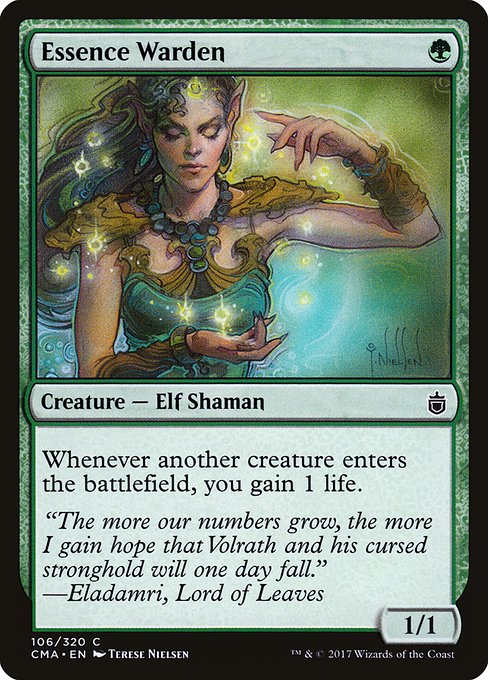
Essence Warden
Life gain engine
Opposing creatures can matter too, so remember triggers during other turns without counting its own entry.

Prosperous Innkeeper
Setup
A Treasure can solve a later color requirement instead of being spent merely because it is available.
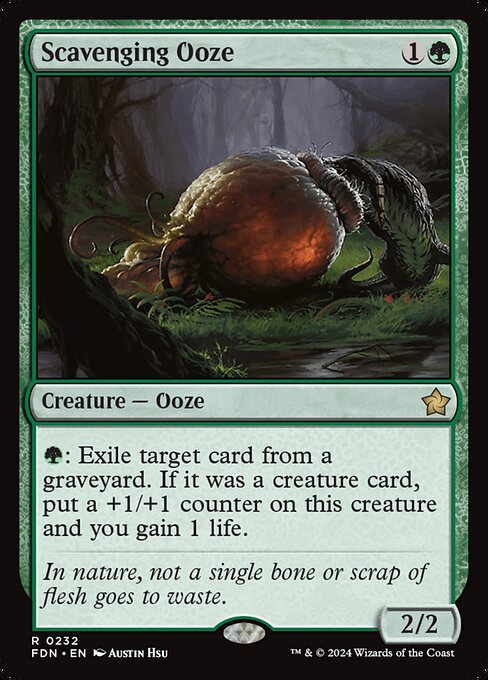
Scavenging Ooze
Graveyard answer
Decide whether stopping a graveyard play is worth exiling a noncreature even without the life gain reward.

Trudge Garden
Combat branch
Each accepted payment can extend a creature entry chain until the available mana or your chosen stopping point ends it.

Moldervine Reclamation
Recovery support
Death based access can turn a failed attack or creature removal into resources for another turn.
Budget lifegain questions
Build your deck
Put these choices into a Commander list. Create a free account to save your deck and keep tuning it with Deckcipher.
FAQ
Does gaining ten life make Dina drain ten?
No. Dina, Soul Steeper triggers once for that single life gain event and makes each opponent lose one life when the trigger resolves. Ten separate one life gains can create ten triggers.
Can Dina sacrifice creatures for free?
No. Her activation costs one mana and sacrificing another creature. It increases Dina's power rather than directly gaining life or draining opponents.
Does Essence Warden gain life from opponents' creatures?
Yes. It triggers when another creature enters, regardless of its controller. Prosperous Innkeeper has the narrower condition of another creature entering under your control.
Is Trudge Garden infinite with Prosperous Innkeeper?
Those two cards can create a repeatable sequence, but every Garden token requires another two mana payment. The cards alone do not provide unlimited mana or a free infinite loop.
Should a lifegain deck avoid spells that cost life?
No. Life can help pay for useful resources. Draw spells such as Sign in Blood and Read the Bones can keep the deck functioning when another life gain card would leave an empty hand.
Does a high life total prevent commander damage or poison losses?
No. Those loss conditions are tracked separately from your life total. Lifegain does not remove poison counters or reduce accumulated combat damage dealt by a particular commander.