

Quick answer
An Emmara token deck can use creatures to help pay costs while growing a board, then turn that board into cards and a decisive attack. Start with useful production and draw rather than expensive token multipliers. Keep the tapping plan, protection, and finisher connected to the same bodies.
Make creatures do two jobs without counting them twice
Emmara, Soul of the Accord creates a lifelink Soldier when she becomes tapped. Attacking is one way to tap her, but legal costs that tap her can also work. That gives a budget deck an engine that does not need a premium token doubling enchantment to begin producing material. The list needs actual ways to create the tap event and useful things to do with the growing board.
A creature already tapped does not become tapped again just because another effect tries to tap it. Emmara is not an automatic token every time you announce a tapping effect. You need her untapped for a new transition or an instruction that can legally use her as an untapped creature in its cost. Untap support can increase opportunities, but it should earn its own card and mana costs.
Trostani, Selesnya's Voice supplies a different green white route based on life gain from entries and a paid populate activation. Populate rewards the quality of an existing creature token, while Emmara supplies repeated small bodies. Trostani's colored cost and tap ability ask for a different mana and timing plan. Choose which job you want in the command zone before mixing every token support card together.
This framework uses Emmara for inexpensive creature development, convoke as a resource bridge, and combat as the main finish. The budget tools can help price role alternatives after the list is built. The financial total still depends on the printings and shipping you actually choose, so treat token doublers as optional upgrades rather than prerequisites.
Establish material before buying the multipliers
Raise the Alarm creates two Soldiers at instant speed. It can add blockers before a relevant attack or build the board before your turn when you have preserved mana. The tokens are real creatures for counts and later costs, but they normally need the usual control history or haste before attacking. An instant speed token spell does not by itself make its tokens immediate attackers.
Scatter the Seeds creates three Saprolings and has convoke. Its actual cost can be paid partly by tapping creatures, with each creature contributing generic mana or one mana of its color according to the rules. That can let a wide board help develop itself. The tapped creatures are no longer untapped blockers until they untap, so the resource benefit has a defensive tradeoff.
Selesnya Evangel uses mana, its own tap symbol, and another untapped creature to make a Saproling. That other creature can be Emmara, giving both the Evangel's token and Emmara's triggered Soldier through their respective processes. The Evangel itself normally needs to satisfy its tap ability control restriction. Emmara tapped as the other cost is a different kind of payment and does not need haste merely for that cost.
These producers have useful floors without needing a large existing token. A card that only doubles a future token event does little when your hand contains no producer. On a limited budget, more consistent material and card access can do more than one expensive multiplier. Keep the input stage reliable before improving the most impressive successful turn.
Convoke works with new creatures, but not future tokens
A newly controlled creature can help pay a convoke cost because convoke is not that creature activating its own tap symbol ability. This makes Emmara useful even before she can legally attack. Tapping her to help cast a spell creates her token trigger, but the trigger waits for the normal point after casting is complete before it goes on the stack.
The Soldier from that trigger cannot help pay the same spell's cost. You already finished paying and casting before the trigger resolves. Treating the future Soldier as an extra convoke resource for that casting would count a body that does not yet exist. It may help a later legal spell after it is created, which is a different sequence.
For a concrete board, suppose you have untapped Emmara, two other untapped creatures, and two Forests. The three creatures can help cover the generic portion of Scatter the Seeds while the Forests pay its green requirements. Emmara's trigger is put above the spell after casting. If it resolves, you receive a Soldier before Scatter resolves to create its three Saprolings. The result can be four new bodies from the full sequence, assuming nothing interrupts it.
Those three original creatures are tapped. If the table attacks you before they untap, the newly created creatures may be the available defense instead. The sequence creates resources but also changes which bodies can block. Practice it with actual colors and tapped states rather than calling every creature one generic free mana without considering the colored parts of the cost.
| Card or event | Primary job | Important construction check |
|---|---|---|
| Emmara becomes tapped | Creates a lifelink Soldier | Needs a real new tap event |
| Raise the Alarm | Immediate two body production | New tokens do not automatically attack |
| Scatter the Seeds | Convoke development | Future Emmara token cannot pay this same spell |
| Selesnya Evangel | Repeatable production | Own tap symbol and other creature cost have different restrictions |
| Populate | Copies an existing creature token | Needs a legal token to copy rather than any creature |
Turn bodies into cards before the hand empties
Shamanic Revelation draws a card for each creature you control. It can refill a wide token deck, but it counts the actual surviving board when it resolves. An opponent removing creatures in response can reduce that draw. Its separate life gain condition checks creatures with sufficiently high power; a group of unmodified 1/1s does not automatically satisfy that part.
Mentor of the Meek offers a paid draw opportunity when another creature enters under your control with power two or less. It needs mana for each draw you choose to buy. Token production can create several triggers, but that is not the same as free unlimited cards. Preserve mana if drawing is the reason you are making tokens that turn.
Power bonuses can change which entries qualify. A 1/1 token with one +1/+1 anthem is a 2/2 and still can satisfy the Mentor's power condition. With enough additional bonuses, the entering token may be too large. Check continuous effects as the creature enters and the ability's condition rather than using only the token's base printed size.
Skullclamp is another route, but its +1/-1 does not kill every token. An ordinary 1/1 can become zero toughness and die, producing the draw trigger. A 2/2 after an anthem becomes a 3/1 and survives without another death source. The same anthem that improves combat can therefore change the draw engine. Know which bodies you can actually convert before treating every token as two cards.
Anthems improve combat and can change the tap engine
Intangible Virtue gives creature tokens you control a power and toughness bonus and vigilance. It does not give those benefits to every nontoken creature. Your Soldiers and Saprolings may become better attackers and defenders, while Emmara herself does not receive the token bonus simply because she makes tokens. The scope of each support card matters.
If another effect gives Emmara vigilance, attacking does not tap her and will not create her normal becomes tapped trigger. That does not make vigilance bad for the deck. It means the commander needs another tap outlet if you want production while she attacks untapped. An apparently perfect team support package can contain a real tension that should be solved with a legal sequence rather than ignored.
Vigilant tokens can attack and remain available for a later convoke cost or block if they remain untapped. Tapping them for a later spell spends that availability. They do not stay untapped through every cost just because they have vigilance. The vigilance guide explains why the keyword prevents only the normal attack tap.
Choose enough power support to make the board meaningful without crowding out production and draw. Several anthems on a board of one token may be weaker than another token maker. A large army without any finishing effect can struggle to close through blockers. The correct mix depends on actual games and the commander's production rate, not a desire to collect every enchantment mentioning tokens.
Populate, removal, and protection have different targets
Populate creates a copy of a creature token you control. It does not copy a nontoken creature, and the populate choice does not target that token. If you have no creature token to copy, populate cannot create one from nothing. Copying a plain 1/1 may be modest value; copying a larger token can change the payoff, but the deck must supply that token first.
Sundering Growth destroys a target artifact or enchantment and then populates. Its destruction target must be legal. If its only target becomes illegal, the spell does not resolve and you do not receive the later populate instruction. Populate itself not targeting does not rescue an otherwise fully illegal targeted spell. This is a practical reason to read the whole effect rather than only the token keyword.
Rootborn Defenses populates and grants your creatures indestructible for the turn. It can preserve a board against destruction or lethal damage, while exile, sacrifice, and sufficient toughness reduction remain different threats. Its usefulness depends on the board and the answer you face. It does not guarantee recovery from every wipe simply because token decks fear sweepers.
Use the interaction checker to preserve answers outside the token package. A targeted artifact answer, creature removal, and a protection spell all solve different problems. A deck with many creature bodies can still lose to a noncombat engine it cannot remove. Keep those functions even when a token only construction looks more thematic.
Production, access, and protection examples
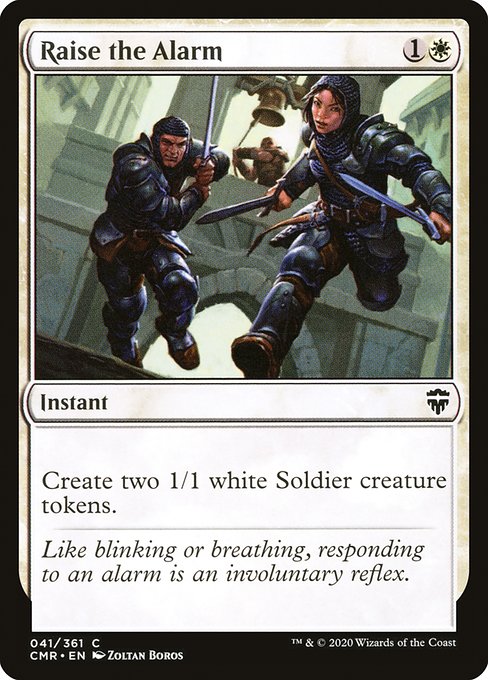
Raise the Alarm
Early bodies
Useful instant timing does not remove new creature attack restrictions.
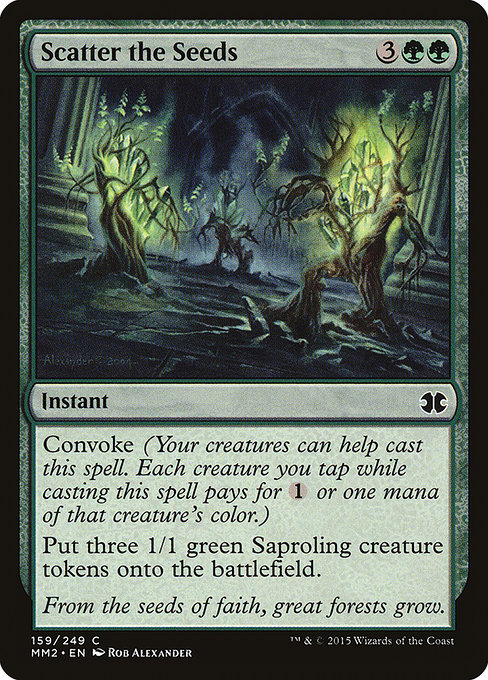
Scatter the Seeds
Resource bridge
Existing bodies help pay convoke while the spell produces later bodies.

Mentor of the Meek
Paid card access
Requires both qualifying entry power and mana for each chosen draw.
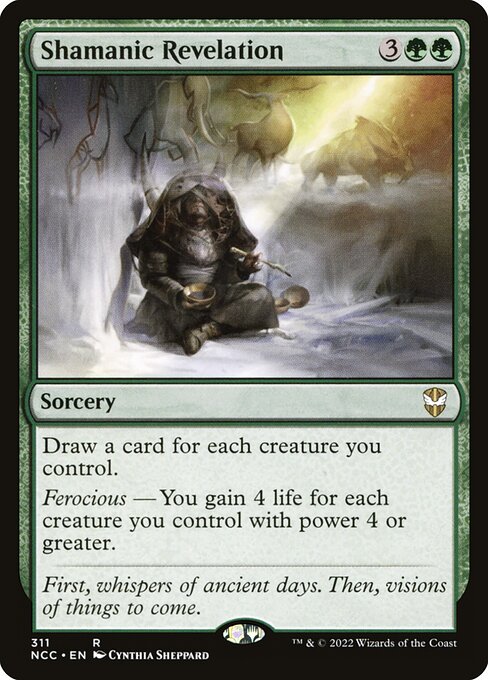
Shamanic Revelation
Wide board refill
Counts actual creatures on resolution and has a separate high power life gain condition.

Rootborn Defenses
Destruction protection
Can preserve a developed board while leaving gaps against other zone changes.
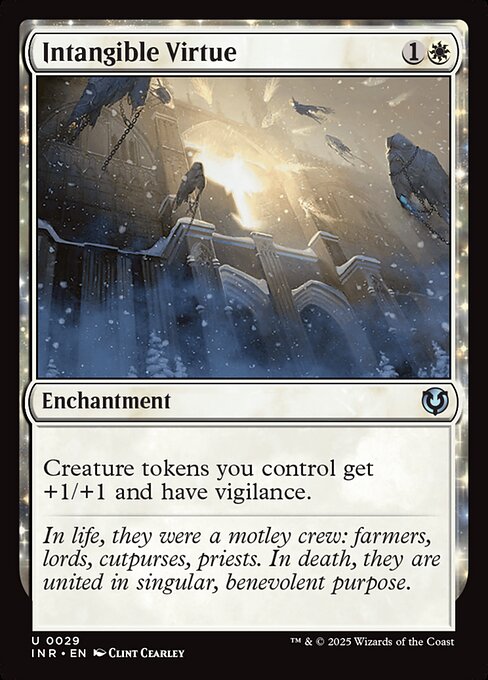
Intangible Virtue
Token combat support
Changes both power based draw conditions and later tap availability.
Finish with enough power and a legal attack
Overrun gives your creatures a temporary power and toughness increase and trample. It rewards having several creatures already able to attack. It does not grant haste, so a newly created army may need to wait. Tokens used to convoke earlier may be tapped and unable to attack unless another effect untaps them. Map the turn's costs before counting every body as an attacker.
Trample helps a larger token get past small blockers after legal lethal assignments. A wide board can also overload available blockers without trample. Calculate the actual damage against each defender rather than multiplying all token power by the number of opponents. Splitting attacks can be useful, but every creature attacks a particular player or object and does not deal the same damage to everyone.
Keep a producer or draw spell in reserve when the existing board already pressures enough. Deploying every card before a visible wipe can make a large token deck surprisingly fragile. Rebuilding may require several small spells, not just a commander recast. An engine that continues making bodies is valuable, but it still needs mana and cards around it.
The deck building checklist helps balance lands, draw, production, protection, and a finish. Expensive token multipliers can be exciting upgrades after those roles work. They are poor substitutes for the missing draw that makes you run out of cards or the absent answer that lets an opponent win before combat matters.
Make budget changes from observed bottlenecks
If a multiplier is outside the current cart, add a producer with an independent useful floor rather than pretending one extra body has the same ceiling. If a premium team finisher is too expensive, a straightforward pump can preserve the combat route while changing how much setup is required. Name the lost function so the replacement is judged fairly.
Test a turn with Emmara but no safe attack, a turn where tokens must convoke, and a turn after the board is wiped. Note whether the hand can still produce cards and creatures. A deck with many tap outlets but no creatures to support the costs needs a different change from a deck that makes plenty of bodies but cannot finish.
Price the actual printings, shipping, and cards you already own. Keep the green and white mana requirements visible when replacing lands with cheaper options. A token deck with several colored convoke costs still needs suitable colors in its creatures and lands. A low purchase total is useful when the resulting list can execute its legal sequence.
Build your deck and create a free account to save the starting version and its next revision. Record whether the next upgrade should improve production, draw, protection, or the last attack. The strongest budget token package is the one that turns ordinary bodies into useful decisions at several points in the turn, while keeping enough resources to begin again after an answer.
Budget Tokens questions
Build your deck
Put these choices into a Commander list. Create a free account to save your deck and keep tuning it with Deckcipher.
FAQ
Does Emmara need to attack to make a token?
No. Her ability triggers whenever she becomes tapped, including through a legal cost that taps her. Convoke and appropriately worded other creature tap costs can help. An already tapped Emmara does not become tapped again merely because an effect tries to tap her.
Can a new Emmara convoke?
Yes, ordinary convoke can tap a newly controlled creature because it is not that creature activating its own tap symbol ability. This differs from attacking or using its own tap symbol ability. All other costs and colored requirements of the spell still need to be paid.
Can her new token pay for the same convoke spell?
No. You finish casting and paying before the becomes tapped trigger is put on the stack and resolves. The future token does not exist during that payment. It can potentially help a later legal action after it has been created.
Does Skullclamp kill a token after an anthem?
Check actual toughness. A plain 1/1 can die to the -1 toughness, but a 2/2 becomes a 3/1 and survives without another effect. Additional bonuses can also change Mentor of the Meek eligibility. Draw assumptions should use the current board, not the token's base size.
Can populate copy my best nontoken creature?
No. It copies a creature token you control. If you have no such token, it does not create one from a nontoken creature. The choice itself does not target, but a spell containing populate may have other targets that must remain legal.
Are expensive token doublers necessary?
No. Useful production, draw, protection, mana, and a real finisher can support a coherent budget plan. Doublers improve successful production but do little without it. Price the whole list and fix the role that repeatedly fails before buying a premium multiplier.