
Quick answer
Useful cEDH staples provide efficient mana, access to cards, relevant interaction, or a compact route to winning. Their value depends on the commander and the surrounding list. Choose a deck before buying its expensive pieces, then compare what each card lets a real opening hand do instead of treating every popular card as an automatic inclusion.
Start with a role rather than a shopping list
The best cEDH staples solve specific problems efficiently. A fast mana artifact can advance a crucial turn, a draw engine can support repeated interaction, and a compact win package can leave room for both. The same card may be central to one commander and awkward in another. Its reputation does not remove colored mana requirements, card costs, or restrictions on when it can be used.
Separate the list into functions before deciding what is missing. Can the deck begin its plan on the intended turn? Can it access another card after spending its opening hand? Can it answer the threats expected in the pod? Can it finish from the resources it creates? A hand containing several celebrated staples can still fail all four questions if the pieces do not connect.
This guide groups examples by those functions rather than offering a numerical ranking or current inclusion percentages. It uses Commander legality checked for the guide, not restrictions from Brawl, Legacy, or another format. An older primer can remain useful for concepts while containing cards that no longer belong in a legal Commander list. Confirm the actual format before treating the list as a purchase plan.
When building a first deck, test a coherent version before collecting interchangeable expensive cards. Record what each slot contributes and what replacing it would change. The beginner cEDH commander guide can help choose the initial plan. Once that plan is settled, a staple becomes easier to evaluate because there is an actual turn and function to compare.
Fast mana buys time by spending other resources
Sol Ring turns one mana into an artifact that can tap for two colorless. It can advance generic costs while leaving colored requirements unpaid. An opening containing Ring and a land is not automatically able to cast a spell requiring two different colors. Use the actual intended sequence rather than counting every mana in the pool as interchangeable.
Mana Vault can produce three colorless from a one mana artifact, but it does not untap normally during your untap step. Its upkeep option requires four mana to untap it, and it can deal damage during your draw step while tapped. That structure favors an important burst rather than assuming the same three mana will be available freely every turn. A slower game can expose the difference.
Lotus Petal supplies one mana of any color by tapping and sacrificing itself. That can bridge a missing color or advance a turn at the cost of a card and a permanent. After the activation, it is not a recurring source for the following turn. If the attempted engine is countered, the spent Petal does not return merely because the spell failed.
These cards deserve different counts in different plans. A deck with reliable command zone access to cards may use early resources differently from a list whose opening hand must sustain the entire attempt. If a budget replacement costs two mana instead of zero, revise the turn sequence accordingly. The replacement can still be useful, but it is not the same acceleration merely because both cards are artifacts that make mana.
Chrome Mox and Mox Diamond have different setup costs
Chrome Mox has an entry trigger that may exile a nonartifact, nonland card from your hand. Its mana ability then uses the colors of the exiled card. A blue card can support blue production; it does not make the Mox produce green solely because green is part of the commander's identity. A card with no colors does not provide a colored output through that instruction.
The imprint choice also spends a real card. Exiling the only blue card needed for Force of Will may leave an intended defensive hand without its alternate payment. Exiling the only relevant payoff may make the newly accelerated mana useless. Decide which resource the hand can afford to surrender before treating the zero mana artifact as a free improvement.
Mox Diamond instead has a replacement effect as it would enter. You may discard a land card to put it onto the battlefield; otherwise it goes to its owner's graveyard. This is not an entry trigger that opponents can respond to after seeing the artifact enter and before the discard decision. If it enters successfully, it can tap for any color without referring to the discarded land's colors.
Diamond therefore connects to the land count in a different way. The discarded land is not still available as a later land drop. A hand with Diamond, one land, and no route to another land needs to be examined carefully. Choosing which resource to give up is part of mulligan evaluation, not a detail to improvise after keeping a hand solely because it contains a Mox.
| Function | Example | Cost or restriction worth checking |
|---|---|---|
| Burst colorless mana | Mana Vault | Normal untap steps do not refresh it |
| Flexible one use mana | Lotus Petal | Sacrificing it spends the source |
| Recurring colored mana | Chrome Mox | Imprint spends an eligible card and determines available colors |
| Noncreature cast draw | Mystic Remora | Cumulative upkeep and opponent payment affect its useful life |
| Broad selection to hand | Demonic Tutor | Mana and a spell are spent before using the found card |
| No mana counter payment | Force of Will | Alternate cost needs life and another blue card |
| Protection before a win | Silence | Opponents can respond; activated abilities remain available |
Draw engines ask opponents different questions
Rhystic Study can trigger whenever an opponent casts a spell and offers a draw unless that opponent pays one. A spell being countered does not undo the earlier cast event. The payment is part of resolving the trigger, and opponents are allowed to choose differently as the game changes. Do not evaluate the card as though every future opponent will always decline to pay.
Mystic Remora costs one blue initially and triggers for opponents' noncreature spells, with a four mana payment to prevent each draw. Its cumulative upkeep becomes more expensive across your upkeeps as age counters accumulate. Paying the next upkeep can preserve future access while using mana needed for a main phase action. Letting it go can be correct when the hand already contains the resources needed for a decisive turn.
Esper Sentinel tracks each opponent's first noncreature spell each turn and asks for a payment equal to its power. Its baseline power creates a different payment from Remora's fixed four. Multiple noncreature spells by one opponent in the same turn do not all trigger the same Sentinel. It is also a creature, which changes which removal and combat situations can affect it.
These engines provide opportunities rather than guaranteed cards per game. A pod casting mostly creatures produces different Remora opportunities from one exchanging several noncreature spells. A board that makes spare mana plentiful can make Study payments easier. Include the engine because its cost and expected opportunities fit the plan, then track its triggers accurately instead of using a fixed imagined draw total to justify every opening keep.
Tutors provide access without paying for the found spell
Demonic Tutor can find a card and put it into your hand for one generic and one black mana. That flexibility makes it useful for finding a missing combo piece, mana, or an answer. It does not also cast the found card or create mana for it. If an immediate threat needs a one mana answer, the tutor plus answer requires both payments and appropriate timing.
Vampiric Tutor finds a card for the top of the library and costs two life on resolution. The card is not placed directly into your hand. You need a draw or another applicable effect to access it. Casting it before your draw step can be useful, but the result is different if the next draw is prevented or the top card is changed before you receive it.
Mystical Tutor similarly places a revealed instant or sorcery on top after shuffling. Its restriction excludes a creature or artifact needed for the plan. The lower mana cost does not make it interchangeable with unrestricted selection to hand. Compare whether the deck can use the chosen card during the relevant window and whether spending the tutor leaves enough cards for protection.
Selection is especially useful when the deck has a clear reason to choose one card over another. If the plan is simply to find a famous engine every game without considering the current board, the tutor can amplify a weak decision. State what the found card enables on the next action and what happens if opponents stop it. A search that repairs the current bottleneck can be more valuable than one that assembles a win you still cannot pay for.
Interaction must cover the actual object on the stack
Force of Will can counter a spell with its ordinary mana cost or its alternative payment of one life and exiling a blue card from your hand. The alternative avoids that spell's mana cost; it does not make the payment disappear. An empty hand with Force as the only blue card cannot supply another blue card to exile while also casting that Force through the alternate cost.
Pact of Negation offers a zero mana spell with a delayed payment if it resolves. At the beginning of your next upkeep, you must pay three generic and two blue or lose the game. That future cost matters when using it for defense outside a winning turn. If the game continues and an opponent removes the mana sources needed to pay, the earlier free looking interaction can become the cause of a loss.
Swan Song counters an enchantment, instant, or sorcery spell and gives that spell's controller a flying Bird token. An artifact or creature spell is a legal target only if it also has one of those listed types, such as an enchantment creature. Activated abilities and spells without those types are outside its range. Its low mana cost is useful only when the target category matches. A hand with several narrow answers may still fail to cover the particular threat presented.
Preserve interaction according to what it can stop. If Swan Song covers an opposing instant while Force can also cover a creature, spending Force first may leave the later creature unanswered. Sometimes other information justifies that choice, but it should be deliberate. Strong interaction packages need both efficient cards and a pilot who recognizes which answer remains relevant after the current exchange.
Protection spells improve a window without erasing responses
Silence stops opponents from casting spells for the rest of the turn if it resolves. They can respond to Silence while it is still on the stack, and it does not counter spells already there. Their activated and triggered abilities are not spells being cast. A resolved Silence can therefore establish a safer spell casting window while still leaving relevant opposing abilities available.
That makes timing important. Casting Silence before committing to the win can draw out a response or prevent later spell based answers. Casting it after an opposing counterspell is already on the stack does not remove that counterspell. Decide what the protection needs to accomplish before spending the white mana. It is a tool for shaping a turn, not a universal rule that the next action must succeed.
Veil of Summer provides different protection. Its draw depends on an opponent having cast a blue or black spell that turn. Your spells cannot be countered that turn, and you and your permanents gain hexproof from blue and black for the turn. That does not grant protection from every removal color or prevent nontargeted effects from affecting the board.
The deck also needs to produce the relevant color at the moment these spells matter. A hand containing protection but only colorless mana may be no better defended than one without it. Review the cEDH mana base guide alongside the interaction suite. Leaving the correct source untapped is part of the card's practical value, especially when multiple intended actions compete for the same land.
Oracle packages need precise timing and deck construction
Thassa's Oracle can win through its entry trigger when devotion to blue is at least the number of cards remaining in the library at resolution. Demonic Consultation can help by naming a card absent from the library, causing its process to exile through the library. A typical sequence puts Oracle's entry trigger on the stack, then casts and resolves Consultation before allowing that trigger to resolve.
That sequence needs the blue mana for the creature, the black for Consultation, legal timing, and a relevant answer plan. Oracle leaving after its ability triggers does not remove that ability. With an empty library, zero devotion can still satisfy the comparison. However, the trigger itself and the intermediate state can be attacked through applicable effects. Emptying the library without the winning trigger resolving can be a serious liability.
Tainted Pact provides a different library exile process that stops if two exiled cards have the same name or when a card is taken into hand. A plan that needs it to continue through the library should avoid duplicate names, including repeated basic lands. Snow covered and ordinary basic land names differ, but two ordinary Islands share a name. The surrounding mana base is part of that combo package.
These cards are not automatic inclusions in every deck that can legally play them. Consider how the list finds them, which pieces are useful alone, and how the attempt interacts with the current board. Compactness saves slots, yet the win is still a sequence to execute. A card grid showing two pieces does not replace explaining how the deck reaches the required mana and response window.
Breach packages depend on mana, graveyard cards, and storm
Underworld Breach grants each nonland card in your graveyard escape for its mana cost plus exiling three other cards from that graveyard. You still need legal timing and all relevant costs. The enchantment is sacrificed at the beginning of the end step. It is a window for using resources, not a permanent instruction that every spell can be replayed freely forever.
Lion's Eye Diamond can supply three mana of one color by discarding your hand and sacrificing itself. Its activation is restricted to instant timing, so it cannot simply be used during the middle of paying for a spell as though that restriction were absent. Discarding the hand can place cards into a Breach graveyard, but it also gives up any plan to hold those cards for later from hand.
For a concrete resource exercise, assume Breach was cast this turn, Diamond and Brain Freeze are in your graveyard, and at least six other expendable cards are there. Escape Diamond by exiling three other cards, resolve it, and activate it for three blue. Escape Brain Freeze by paying two of that mana and exiling three other cards. Breach and Diamond are two earlier spells, so Brain Freeze's storm can provide at least three total instances milling three cards each if all target you and resolve.
That mills nine and can replenish material for further Diamond and Freeze escapes, with storm growing as more spells are cast. It still depends on cards remaining to mill, legal graveyard access, and no effect preventing the actions. Preserve any intended Oracle payoff rather than exiling it for escape. After enough milling, use the actual remaining cards and blue mana to cast the chosen finish. The package is a resource engine with a planned stopping point, not permission to skip its costs or assume an infinite library.
Spend on the part of the chosen list that is missing
A useful purchase improves an identifiable action. If the list cannot cast its early colored spells, a famous colorless accelerator may not be the best next addition. If it already has enough mana but runs out of cards after one exchange, another one use source may deepen that problem. The card's role and the list's repeated failure should connect directly.
Use total acquisition cost rather than a single displayed price when planning an order. Available printings, condition, and delivery can change what the same functional package costs. This guide does not promise a complete competitive deck at a fixed amount. Testing a coherent deck in an allowed practice setting can identify which expensive effects actually matter before money is committed.
Keep a planned cut for each addition. Replacing a narrow answer with a draw engine changes the coverage of the deck even if both are widely used staples. Replacing a two mana rock with a zero mana source may improve early speed while adding a card disadvantage condition. Those are real tradeoffs that can be understood and tested, rather than a universal improvement from the more expensive name.
Save the current version in the deck builder and create a free account to keep its notes and revisions together. Mark which hands failed, which answers missed their target category, and which combo attempt lacked a final resource. A useful staple collection can grow from that practiced list. The important unit is the sequence the cards enable together.
Staples by the decision they improve
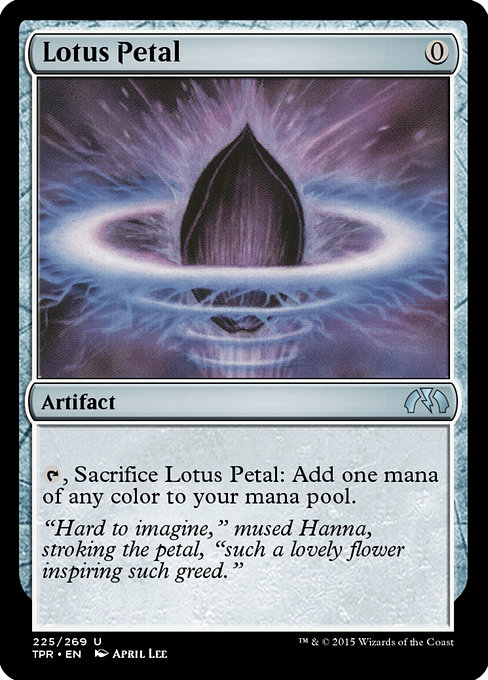
Lotus Petal
Immediate colored mana
Useful when one specific turn matters more than keeping the source for another turn.
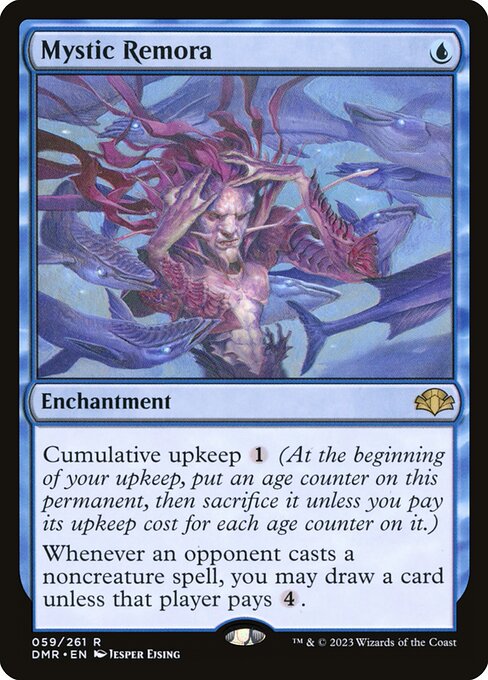
Mystic Remora
Early access
Watch noncreature cast opportunities and the next upkeep before deciding how long to preserve it.
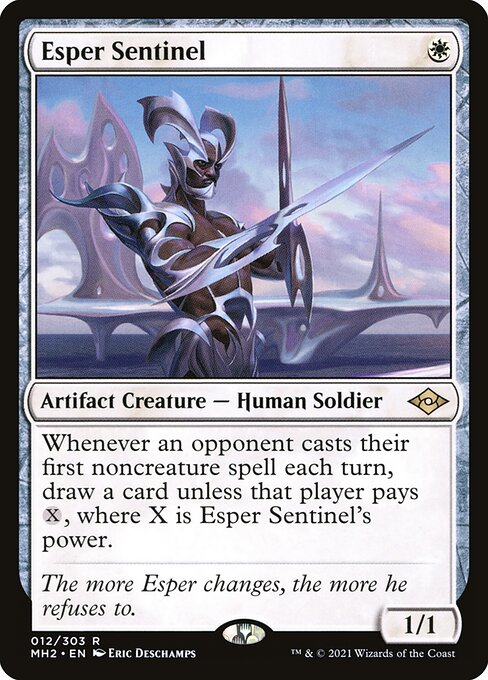
Esper Sentinel
Creature based draw
Its power and each opponent's first qualifying spell determine the actual payment question.
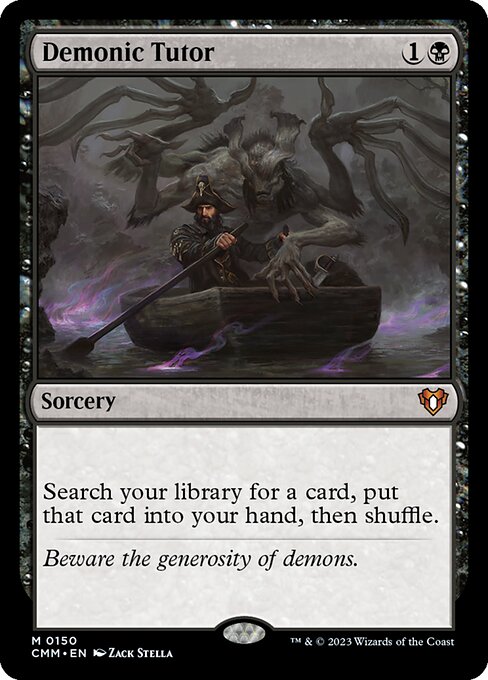
Demonic Tutor
Flexible selection
Find the card that solves the present resource or interaction problem, then budget its separate cost.
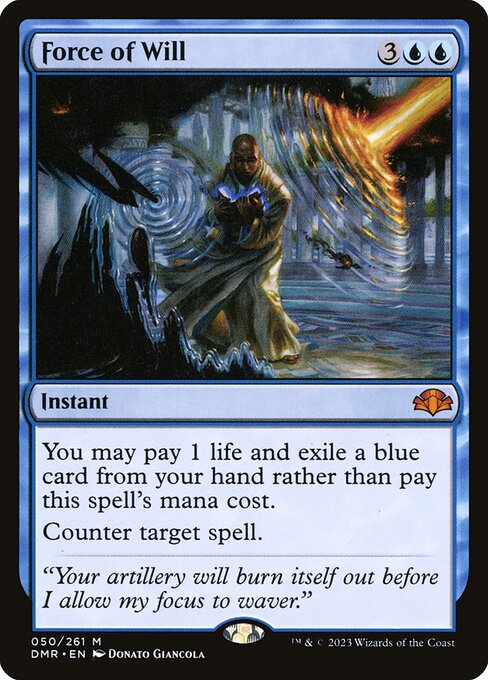
Force of Will
Broad spell answer
Preserve the blue card needed for alternate payment instead of counting an unsupported Force as free defense.
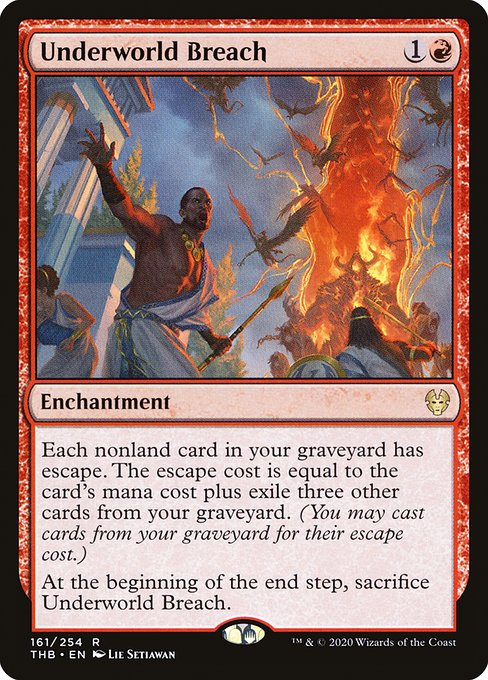
Underworld Breach
Graveyard window
Track three other cards for every escape and retain the payoff that ends the sequence.
cEDH staple questions
Build your deck
Put these choices into a Commander list. Create a free account to save your deck and keep tuning it with Deckcipher.
FAQ
Are all popular cEDH staples required in every deck?
No. Color identity, commander abilities, mana needs, and the win package determine which roles fit. Choose the list before treating a broadly used card as a necessary purchase.
Are Mana Crypt and Jeweled Lotus legal cEDH staples?
No. They are banned in Commander under the list checked for this guide. Ordinary cEDH uses that format's banned list, so older lists containing them need updating.
Does Chrome Mox produce any color in my commander identity?
No. It produces a color of the card exiled with its imprint ability. The exiled card and its eligibility are important parts of evaluating the opening hand.
Does Silence stop activated abilities?
No. It stops opponents from casting spells for the rest of the turn after it resolves. They can still use legal abilities and can respond to Silence before it resolves.
Why can repeated basic lands matter for Tainted Pact?
Pact stops when its process exiles two cards with the same name. A plan relying on it to pass through the library needs to account for duplicate basic land names as well as nonland names.
Does Underworld Breach remove normal casting costs?
No. Escape uses the card's mana cost and requires exiling three other graveyard cards here. Timing restrictions and applicable additional costs still matter.