
How to upgrade Y'shtola, Night's Blessed
A strong Y'shtola, Night's Blessed Commander deck should be built as an Esper noncreature-spell drain deck, not as a generic lifegain pile. Prioritize three and four mana noncreature spells that draw, remove, protect, or convert life gain into damage. The most practical first upgrades are the Esper talismans, Read the Bones or Phyrexian Arena, Anguished Unmaking or Utter End, Sanguine Bond, Approach of the Second Sun, and one premium or budget protection spell.
Practical build targets

Y'shtola, Night's Blessed
Commander and payoff engine
The deck is strongest when her trigger rewards spells you already wanted to cast: draw, removal, protection, token makers, and finishers with mana value three or greater.
Start with the actual Y'shtola plan
The most common mistake with Y'shtola, Night's Blessed is treating every lifegain card as an automatic include. The commander rewards you for casting meaningful noncreature spells, especially those with mana value three or greater, so the best upgrades are cards that do more than pad your life total.
In practice, the deck wants a clean sequence: ramp on turn two, commander or setup on turn three or four, then a mid-cost noncreature spell that immediately matters. A good spell in this shell should remove a threat, draw cards, protect the board, create a drain payoff, or set up a win condition. A three-plus mana spell that only gains life and does nothing else is usually a cut.
This guide assumes a normal Commander table rather than cEDH. If your group uses bracket-style expectations, the cleanest version of the deck usually lives in a mid-power space: resilient, interactive, capable of closing the game, but not trying to win before casual decks establish a board. If you are unsure where your list lands, run it through the Bracket Calculator after you choose upgrades.
Core cards to define the deck's direction
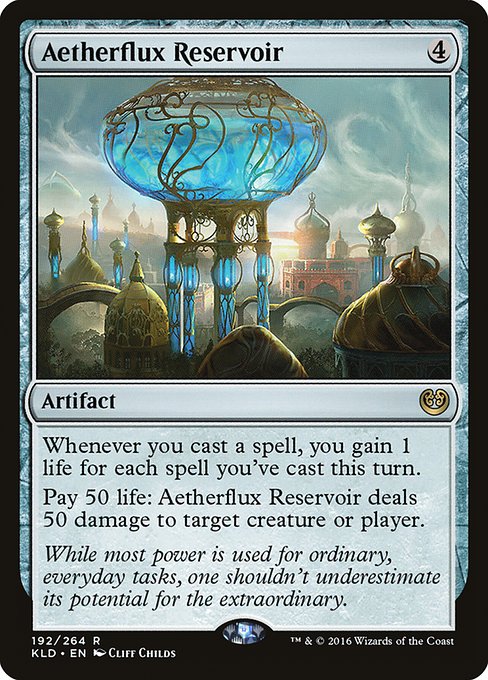
Aetherflux Reservoir
Life total payoff and finisher
Turns repeated spell casting and lifegain into a real endgame instead of just a large life total.
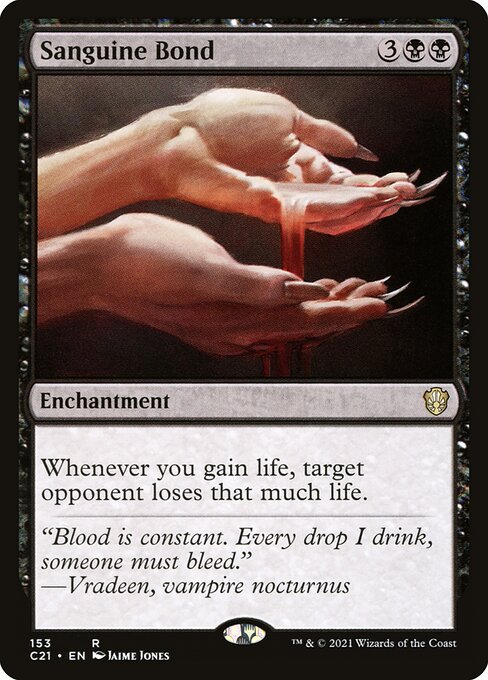
Sanguine Bond
Drain multiplier
Converts life gain into opponent life loss, making each commander trigger and incidental lifegain spell more threatening.
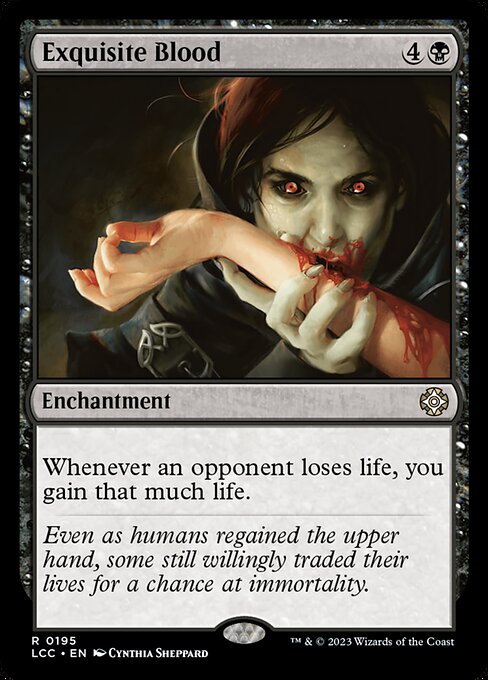
Exquisite Blood
Premium drain combo piece
Powerful but expensive in both dollars and table perception, so it belongs only if your group accepts combo finishes.
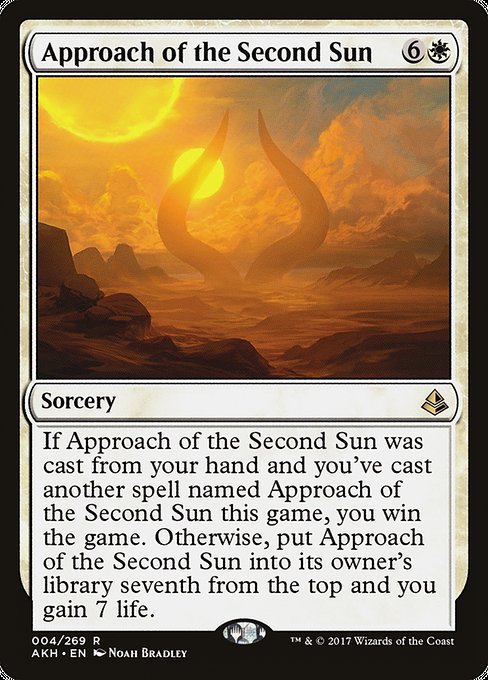
Approach of the Second Sun
Alternate win condition
A seven-mana noncreature spell that gains life, gives the deck a clear clock, and rewards heavy card draw.
Upgrade priority one: add real Y'shtola synergy, not just Esper staples
Y'shtola, Night's Blessed asks you to include a meaningful number of noncreature spells with mana value three or greater. That creates a deck-building tension: too many expensive spells make opening hands clunky, but too few leave the commander feeling decorative. The answer is to choose mid-cost spells that are useful before and after the commander is in play.
The strongest synergy cards are the ones where the commander's trigger is a bonus on top of a card you would cast anyway. Utter End is not the most efficient removal spell in Commander, but here it is a four-mana noncreature spell that exiles almost anything and turns on the commander. Read the Bones smooths draws while filling the three-mana slot. Approach of the Second Sun is clunky in some decks, but here it is a noncreature win condition that also gains life.
Aetherflux Reservoir is one of the cleanest upgrades because it gives the deck inevitability. It rewards the same game pattern you already want: casting several spells over multiple turns while your life total climbs. It is better in builds with many cheap cantrips and mana rocks, but it still earns a slot in slower lists because the threat of activation changes how opponents spend removal.
Sanguine Bond is slower, but it is directly aligned with the deck's plan. If your commander and other effects are gaining life in small chunks, Sanguine Bond turns those increments into pressure. The downside is that it costs five mana and does not protect itself, so it is best when your deck already has enough interaction to survive the turn cycle after you cast it.
Exquisite Blood is the high-ceiling option. It can create deterministic wins with the right drain effect, but it also changes how the table reads your deck. If your local meta dislikes two-card life-drain combos, treat it as optional rather than mandatory.
Concrete Y'shtola synergy package
| Add | Role | Cut this kind of card |
|---|---|---|
| Read the Bones | Three-mana noncreature draw and selection. | Replace lifegain-only sorceries or creatures that do not draw cards. |
| Utter End | Four-mana exile removal that also supports the commander's trigger plan. | Replace narrow removal or expensive creatures that only attack. |
| Sanguine Bond | Turns repeated life gain into a real clock. | Replace high-cost lifegain payoffs that do not damage opponents. |
| Approach of the Second Sun | Noncreature win condition that gains life and rewards card draw. | Replace top-end creatures that do not immediately threaten a win. |
| Aetherflux Reservoir | Spell-chain payoff and noncombat finisher. | Replace lifegain cards that only increase your life total. |
Premium finisher or fairer budget pressure?
Use this swap when you want the deck to close games without accidentally moving beyond your table's comfort level.
Exquisite Blood
Premium combo finisher
Best when your table accepts compact life-drain wins and you want a high-ceiling upgrade.
Sanguine Bond
Budget-friendly drain payoff
Still dangerous, but easier for most tables to interact with because it needs life gain to keep happening.
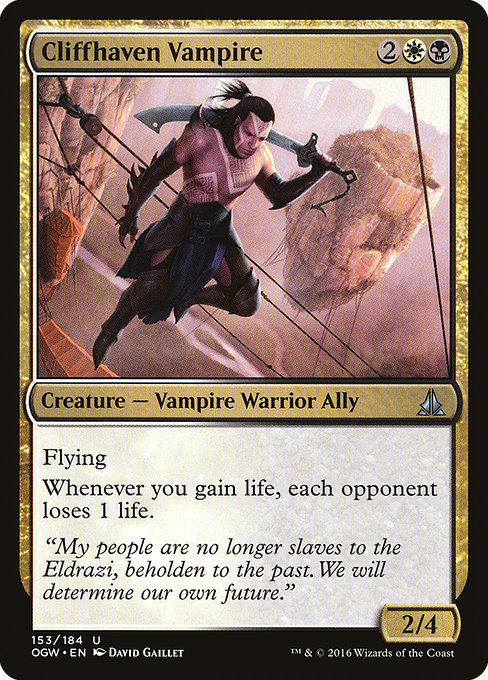
Cliffhaven Vampire
Creature-based drain payoff
Lower ceiling than the enchantments, but it provides redundant life-loss pressure at a cheaper table perception cost.
Upgrade priority two: protect the commander without losing tempo
The commander is a visible engine. Once opponents see that each relevant noncreature spell can create a life swing and card advantage, they will remove it before your value turn. Protection matters, but the type of protection matters more. You want low-cost answers that let you deploy your engine and still hold up mana.
Teferi's Protection is the premium option because it protects your permanents, your life total, and your ability to untap into another spell chain. It is also one of the easiest cards to overvalue in budget builds because the price can crowd out multiple cheaper upgrades. If your budget is tight, Flawless Maneuver and Clever Concealment fill similar roles in different ways.
Do not cut all one and two mana interaction to make room for expensive protection. The deck wants some three-plus spells, but it still needs to survive fast starts. A healthy package includes a few shields, a few efficient removal spells, and enough mana rocks to cast protection in the same turn cycle as your engine.
Protection and interaction upgrades
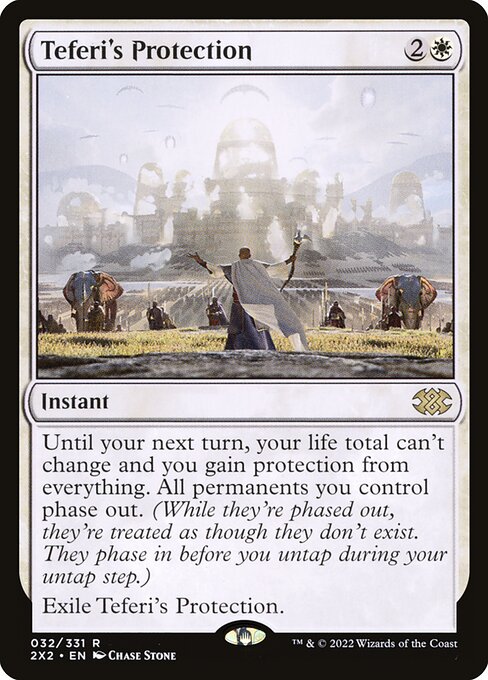
Teferi's Protection
Premium board protection
The strongest defensive upgrade, especially if your meta has sweepers and alpha strikes.
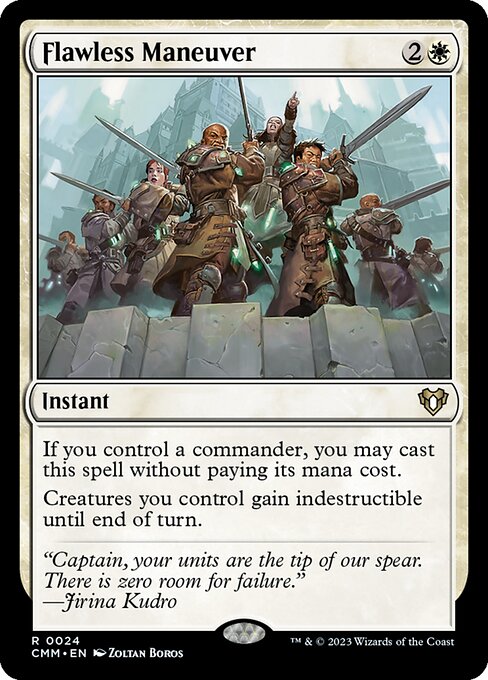
Flawless Maneuver
Free creature protection
Excellent when the commander stays on the battlefield, but weaker against exile sweepers and noncreature removal.

Clever Concealment
Flexible permanent protection
Convoke lets token builds protect engines, mana rocks, and enchantments without always holding up four mana.

Anguished Unmaking
Catch-all removal
Instant-speed exile for almost any problematic nonland permanent, with life loss that is usually acceptable here.
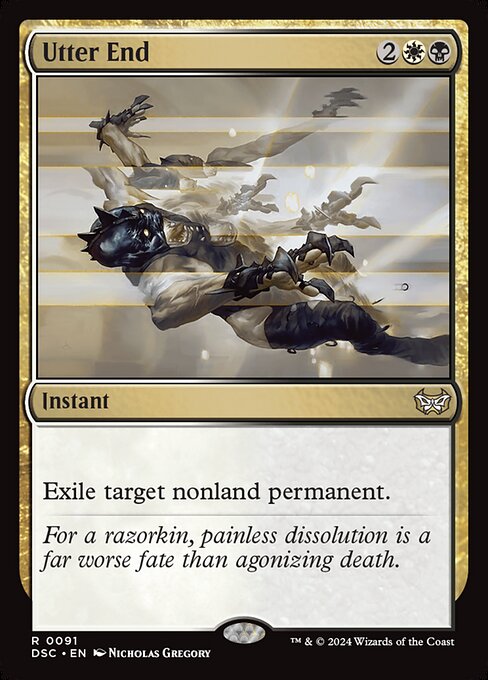
Utter End
Budget catch-all removal
Costs one more mana than the premium exile spells, but it triggers the commander and answers many permanent types.
Upgrade priority three: tune the draw package
Esper colors make it easy to add generic card draw, but this deck cares about how draw spells fit the turn structure. You want draw that either triggers the commander, digs toward protection, or lets you convert life total into cards. One-shot draw spells are fine, but repeatable engines are better if they do not pull the deck away from its noncreature count.
Necropotence is the most powerful draw upgrade if your mana base can reliably produce black early. The life payment is not a downside in the usual sense because the deck gains life naturally, but the card demands discipline. Exiling discarded cards and delaying access to the cards you set aside can punish loose sequencing. It is a strong include for tuned builds, not a required purchase for every player.
Phyrexian Arena is slower and fairer. It does not create explosive turns, but it fits a mid-power table because it quietly keeps cards moving without forcing the game to revolve around it. Esper Sentinel is excellent if you already own one, but it is not essential to the commander's core plan because it is a creature and does not help the mana-value-three spell count.
Card draw upgrade path
Pick the draw engine that matches your table speed and budget rather than assuming the most expensive option is always correct.
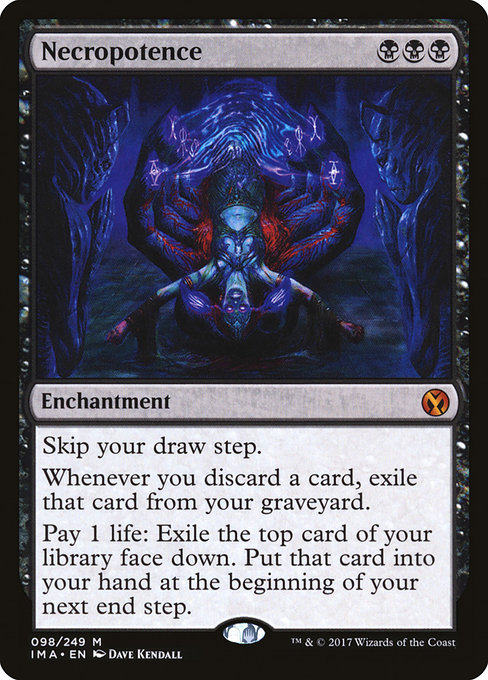
Necropotence
High-power draw engine
Best in tuned lists with reliable black mana and enough lifegain to pay aggressively.
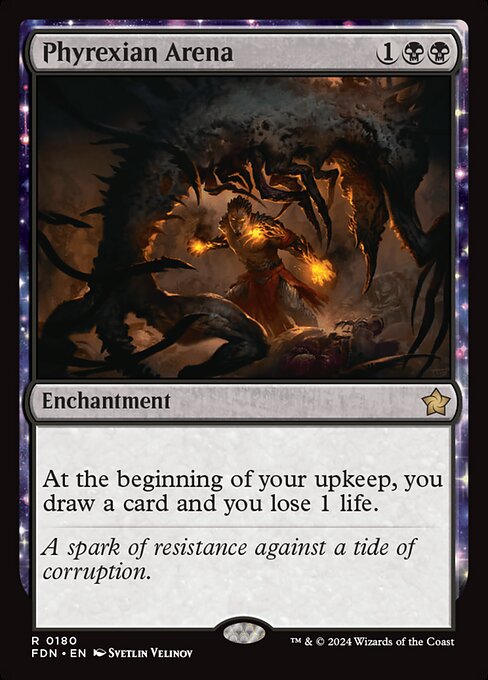
Phyrexian Arena
Steady budget draw
A slower engine that is easier to cast and less likely to make the table panic.
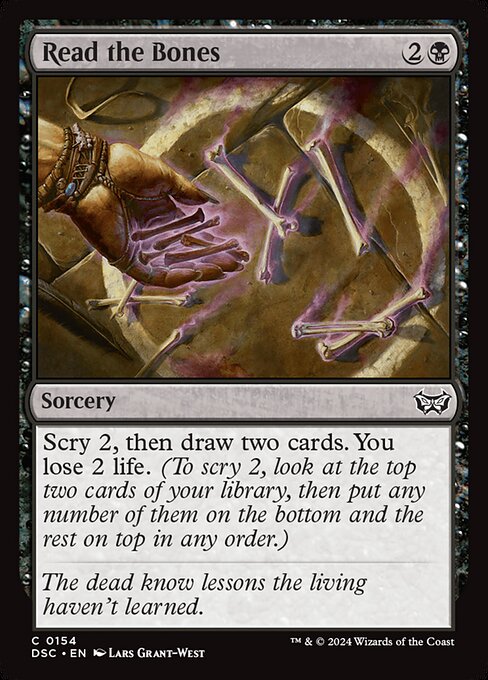
Read the Bones
Cheap selection spell
Not flashy, but it smooths draws, fills the three-mana noncreature slot, and digs toward protection.
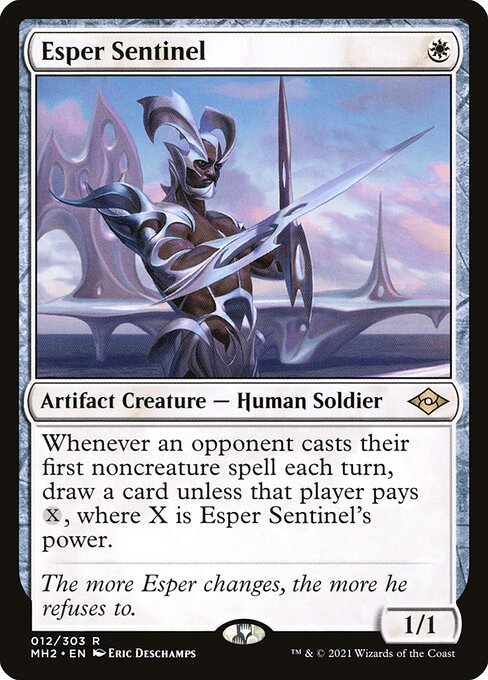
Esper Sentinel
Early tax draw
Powerful if available, but not mandatory because it does not trigger the commander's noncreature plan.
Mana curve and ramp are where many upgrades go wrong
Because the commander wants meaningful three-plus noncreature spells, the deck can accidentally become too slow. A hand with four lands and three five-mana enchantments looks powerful, but it often does nothing before opponents establish engines. Use the Commander Mana Curve Calculator after upgrades and pay special attention to how many spells cost five or more.
Your ramp should be boring on purpose. Arcane Signet, Talisman of Dominance, Talisman of Progress, and Talisman of Hierarchy let you cast the commander on time and still hold up interaction in later turns. Chromatic Lantern is more expensive, but it helps budget mana bases that rely on tapped lands and imperfect color fixing.
A practical target is ten to twelve ramp pieces. If your average mana value is above 3.2, lean toward twelve. If you cut several five-mana payoffs and keep the deck lower to the ground, ten can be enough. Before buying lands or rocks, paste the list into the Deck Price Calculator so you can see whether the mana base or the splashy finishers are consuming most of the budget.
Ramp and curve decisions
| Card | Best use | Tradeoff |
|---|---|---|
| Arcane Signet | Default two-mana fixing for any Esper Commander list. | No synergy beyond efficiency, but that is enough. |
| Talisman of Dominance | Casts black and blue interaction while accelerating the commander. | The life loss is small but can matter if you are under early pressure. |
| Talisman of Progress | Supports white protection and blue draw on curve. | Does not produce black, so it cannot carry black-heavy hands alone. |
| Talisman of Hierarchy | Helps cast white protection and black engines. | Does not produce blue for counterspell-heavy versions. |
| Chromatic Lantern | Fixes awkward budget mana bases and greedy color requirements. | Three mana is slower than the talismans when your lands are already good. |
Ramp package to compare

Arcane Signet
Baseline ramp
The easiest include because it fixes all commander colors and accelerates into the commander.

Talisman of Dominance
Blue-black fixing
Strong when your list leans into black draw and blue interaction.

Talisman of Progress
White-blue fixing
Helps hold up protection and card selection while keeping the commander on schedule.

Talisman of Hierarchy
White-black fixing
Best when your upgrades include more black enchantments and white protection.

Chromatic Lantern
Budget mana fixer
Useful when the land base is rough, but often cut once the mana base improves.
Budget swaps that keep the deck's identity
Budget swaps should preserve function, not just mana value. If you cut Teferi's Protection, replacing it with a random four-mana counterspell changes how the deck survives. If you cut Necropotence, replacing it with a creature that draws sometimes lowers the noncreature density. The best budget changes keep the same job in the list, even if the ceiling is lower.
For finishers, Approach of the Second Sun is a strong budget-friendly option because it gives control versions a clean endpoint. It also gains life and works naturally with card draw. It is not fast, and the table gets a full warning after the first cast, but that warning can be a feature at casual tables because it creates interaction instead of surprise kills.
For removal, Utter End is a useful example of a card that looks inefficient in many Commander decks but has real text here. Four mana is a lot, yet it is a noncreature spell with mana value three or greater, it exiles, and it answers several permanent types. If you are optimizing hard, Anguished Unmaking is cleaner. If you are balancing budget and synergy, Utter End is defensible.
Suggested upgrade and budget swap map
| If you want | Premium option | Budget-conscious option | Why it works |
|---|---|---|---|
| A combo ceiling | Exquisite Blood | Cliffhaven Vampire | Both turn lifegain patterns into opponent life loss, but the creature is fairer and cheaper. |
| A draw engine | Necropotence | Phyrexian Arena | Both convert life or time into cards without leaving Esper colors. |
| A protection spell | Teferi's Protection | Clever Concealment | Both can protect key permanents through a dangerous turn cycle. |
| Catch-all removal | Anguished Unmaking | Utter End | Both exile many problem permanents, with different mana and life costs. |
| A noncombat win | Aetherflux Reservoir | Approach of the Second Sun | Both let the deck end games without relying on creature combat. |
What to cut first from a precon-style list
Without a fixed official precon list to reference here, use these as card-by-card cut rules for any precon-style starting point. The first cuts are cards that gain life but do not change combat, cards, mana, or the opponent's life total. Lifegain by itself still does not win. If a card only pads your life total and does not trigger the commander, replace it with draw, removal, ramp, or a payoff that converts life into pressure.
The second category is expensive creatures that do not support the spell plan. A few creatures are fine, especially if they protect your board or multiply lifegain triggers, but too many creatures dilute the commander's best line. In this shell, a five-mana creature that attacks well is often worse than a four-mana instant or enchantment that immediately triggers the commander.
The third category is tapped mana that does not fix enough. Budget decks often need tapped lands, but three-color commanders punish slow starts. If your opening turns repeatedly involve tapped land into tapped land, the deck will feel behind even when the late game is powerful. Use the Commander Deck Audit to check whether your mana base, ramp count, and interaction count are all supporting the same plan.
Precon-style cuts and direct adds
| Cut from a starter list | Add instead | Reason |
|---|---|---|
| Lifegain-only creature with no drain or card draw | Read the Bones | Turns a low-impact slot into card selection and a three-mana noncreature spell. |
| Five-plus mana creature that only attacks or blocks | Utter End | Keeps the mana value high enough for synergy while answering real problems. |
| Expensive lifegain enchantment with no win pressure | Sanguine Bond | Converts life gain into damage so the deck actually closes. |
| Three-mana rock that only fixes one color poorly | Arcane Signet | Improves early sequencing and casts the commander more reliably. |
| Tapped land that enters with little upside and fixes only one color | Esper dual land, tri-land, or another untapped source your budget allows | Three-color decks need functional early mana more than luxury top-end. |
| Top-end spell that does not stabilize or win | Approach of the Second Sun | Gives the deck a clear noncombat endpoint and synergizes with draw. |
- Cut lifegain-only cards that do not draw, drain, remove, ramp, protect, or win.
- Trim high-cost creatures that do not act as engines or payoffs.
- Reduce five-plus mana spells until your early turns are consistent.
- Upgrade two-mana ramp before buying luxury finishers.
- Keep enough cheap interaction so the deck can survive before the commander takes over.
Price the upgrade package before buying
Paste your current list, compare the expensive cards against budget swaps, and decide whether the mana base or finishers should get upgraded first.
Sample upgrade packages by budget
For a small upgrade budget, focus on consistency. Add Arcane Signet if it is missing, then add the Esper talismans your mana base needs most. Use Read the Bones, Utter End, and Approach of the Second Sun as cheap cards that actively support the commander's plan.
For a medium upgrade budget, improve protection and removal. Anguished Unmaking, Clever Concealment, Phyrexian Arena, and Sanguine Bond change how the deck plays at real tables. You stop folding to the first board wipe, and your lifegain starts threatening opponents.
For a high upgrade budget, decide how hard you want the deck to close. Aetherflux Reservoir, Necropotence, Teferi's Protection, and Exquisite Blood all raise the ceiling, but together they also raise expectations. If you add all of them, be honest with your table about the deck's power level and consider checking it with the Commander Budget Alternatives tool if you want a toned-down version for casual nights.
Example upgrade bundles
| Budget | Add this package | Cut this package |
|---|---|---|
5 to 5 |
Arcane Signet, one or two Talismans, Read the Bones, Utter End | Weak tapped lands, lifegain-only filler, narrow removal, one expensive creature |
| $40 to $75 | Phyrexian Arena, Anguished Unmaking, Clever Concealment, Sanguine Bond, Approach of the Second Sun | Slow top-end creatures, low-impact lifegain enchantments, redundant five-drops |
| High budget | Aetherflux Reservoir, Necropotence, Teferi's Protection, Exquisite Blood if your table allows it | Fair but slow finishers, weaker draw spells, clunky protection, excess tapped lands |
FAQ
Is Y'shtola, Night's Blessed a lifegain commander or a spellslinger commander?
She is best treated as an Esper spellslinger commander with lifegain and drain payoffs. Pure lifegain cards are not enough. The strongest lists use noncreature spells to draw cards, remove threats, protect engines, and pressure opponents.
How many noncreature spells should a Y'shtola, Night's Blessed deck play?
A practical target is 32 to 38 noncreature spells, with roughly 16 to 22 of them costing three or more mana. That gives you enough commander triggers without making opening hands too slow.
Is Exquisite Blood required for the deck?
No. Exquisite Blood is powerful, but it is not required. If your table dislikes compact drain combos or you want to save money, Sanguine Bond, Cliffhaven Vampire, Aetherflux Reservoir, or Approach of the Second Sun can all provide closing power in different ways.
What should I upgrade first in a budget Y'shtola, Night's Blessed deck?
Upgrade mana and card flow first. Two-mana rocks, reliable color fixing, and steady draw make every later payoff better. A practical first package is Arcane Signet, the Esper talismans you are missing, Read the Bones, and Utter End.
What are the easiest cuts from a starter or precon-style Y'shtola list?
Cut lifegain-only cards, expensive creatures that only attack or block, narrow removal, and tapped lands that do not fix multiple colors. Replace those slots with noncreature draw, exile removal, two-mana ramp, protection, and drain payoffs.
How many lands should the deck run?
Most versions should start at 36 to 38 lands. If you run many five-plus mana spells or a budget mana base with tapped lands, start at 38. If you lower the curve and play 11 or 12 ramp pieces, 36 or 37 can work.