
Isshin wants attack triggers, not random combat cards
The best Isshin, Two Heavens as One Commander deck upgrades add attack triggers that scale when copied, then support them with enough cheap attackers, protection, and Mardu fixing. Start by improving token makers and card advantage, then use budget swaps to replace expensive finishers without losing the deck’s core attack-trigger engine.
Healthy Isshin deck targets

Isshin, Two Heavens as One
Commander and trigger doubler
Isshin copies triggered abilities caused by your creatures attacking. The deck should be built so a normal combat step creates extra tokens, cards, damage, treasures, or board pressure before blockers even matter.
What Isshin actually doubles
Isshin, Two Heavens as One does one very specific thing extremely well: if a creature attacking causes a triggered ability of a permanent you control to trigger, that ability triggers an additional time. That means the deck gets paid for turning creatures sideways, not merely for dealing combat damage. This distinction is the difference between a focused Isshin list and a pile of Mardu combat cards.
In practice, you want attack triggers that matter even if combat goes badly. If an attack trigger makes tokens, draws cards, drains the table, or removes a blocker, you still gained value when the creature dies in combat. If a card only rewards you after damage, it can still be good, but it is less reliable in a commander deck where opponents have large blockers and instant-speed removal.
The cleanest Isshin upgrade path is to ask whether each combat card is better when copied. If the answer is only “it attacks well,” it probably belongs behind true attack-trigger cards. This is why token-making attackers, attack-trigger draw engines, and pre-combat pressure usually outperform generic double strike or anthem effects in this commander.
Core attack-trigger upgrades
Your first serious upgrades should turn one attack into multiple resources. A turn where Isshin is in play and a single creature attacks should feel like a real spell was cast. That is why the strongest packages include token production, temporary removal, card flow, and burst damage. The deck does not need every expensive combat staple, but it does need enough triggers that Isshin is worth protecting.
High-impact Isshin attack-trigger cards

Adeline, Resplendent Cathar
Token engine
Creates attacking tokens for each opponent you have. With Isshin, the trigger happens twice, which quickly builds a board without spending more mana after combat begins.

Hero of Bladehold
Token maker and anthem pressure
Adds attacking bodies and battle cry pressure from one card. Copied triggers make the attack snowball, but the four-mana slot means you should not overload on similar cards.
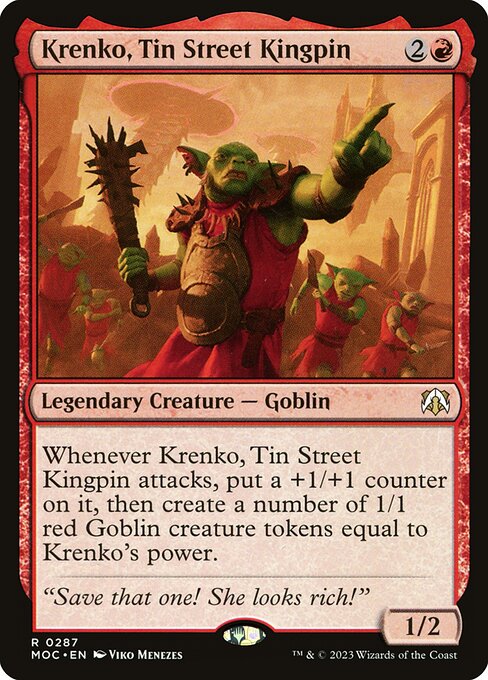
Krenko, Tin Street Kingpin
Scaling token attacker
Makes Goblins equal to its power when it attacks. Isshin doubles that trigger, so even one power boost can create a sudden army.
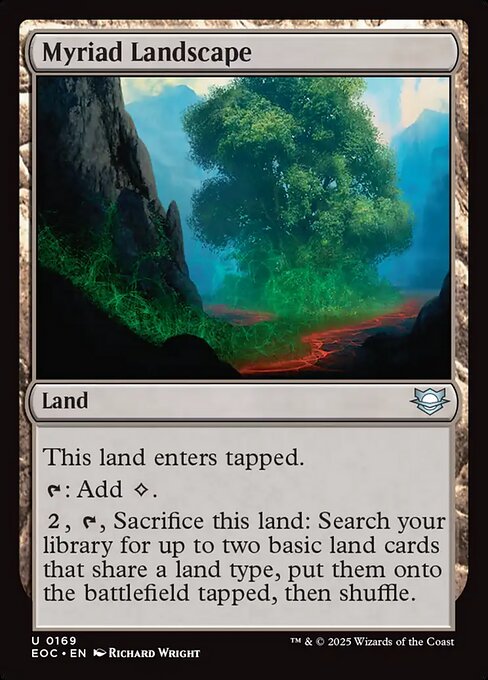
Myriad Landscape
Budget land ramp
Not an attack trigger, but it helps a three-color deck hit land drops without requiring expensive mana rocks or premium fetch lands.
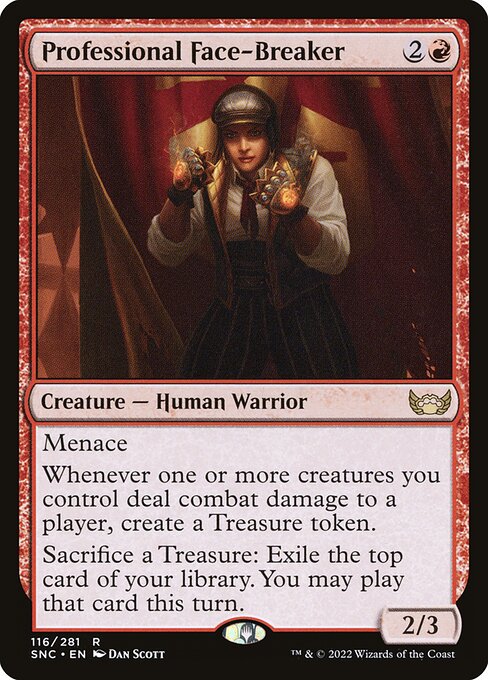
Professional Face-Breaker
Treasure and card access
Rewards combat damage with Treasures, then turns Treasures into impulse card access. It does not trigger from attacking, so it is a support card rather than an Isshin payoff.
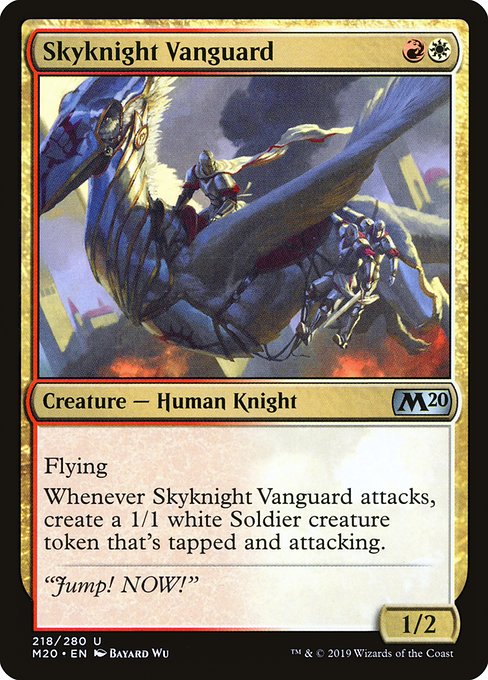
Skyknight Vanguard
Low-cost attack trigger
A cheap attacker that makes a tapped and attacking token. With Isshin, it produces two bodies and gives budget builds an early trigger to copy.
Adeline, Resplendent Cathar is one of the cleanest examples of what Isshin wants because it scales with a multiplayer table. In a four-player game, attacking one opponent can create several attacking bodies, and Isshin doubles the attack trigger. Hero of Bladehold plays a similar role but costs more mana, so it is better in lists that can protect a four-mana creature or already have enough early plays.
Krenko, Tin Street Kingpin asks for a slightly different build. It is strongest when your deck includes a few ways to increase power before attacks, but it is still playable as a standalone threat because Isshin doubles the token trigger. Skyknight Vanguard is the budget lesson: cheap attack triggers are valuable because they let you play Isshin and immediately threaten value on the next combat.
Card advantage that fits the combat plan
Isshin decks lose games when they commit three or four creatures, eat a removal spell, and have no way to reload. Card advantage needs to be attached to the same plan as the deck, because taking a turn off to cast a slow draw spell often gives faster decks time to stabilize. The best options either trigger from attacking, reward creatures entering, or convert the tokens you already make into more cards.
Card flow and staying power

Tocasia's Welcome
Token-friendly draw engine
Draws when small creatures enter, which lines up with the many token makers Isshin wants. It is not doubled by Isshin, but it turns attack-trigger tokens into cards.

Welcoming Vampire
Creature-based draw
Rewards small creatures entering once each turn. It fits creature-heavy lists that want another body while still generating cards from token production.

Morbid Opportunist
Attrition draw
Draws when creatures die, which is common in an attacking token deck. It helps recover after trades and board wipes, though it is slower than direct attack-trigger draw.

Skullclamp
Token conversion
Turns small tokens into cards at a very efficient rate. It is powerful enough to raise the deck’s ceiling, so discuss it with lower-power pods if your list makes many one-toughness tokens.
Tocasia's Welcome and Welcoming Vampire are not copied by Isshin, but they solve a real problem: token-heavy attack steps can run out of material. Morbid Opportunist gives a budget list resilience when tokens trade in combat or die to sweepers. Skullclamp is the most efficient option here, but it can push the list upward because one attack step can create enough expendable bodies to draw a large number of cards.
Finishers: choose pressure over win-more
The tempting mistake is to fill Isshin with expensive finishers that look incredible after the board is already full. You need some top-end, but too many six-mana cards make the deck stumble before it attacks. A good Isshin finisher either creates a huge trigger immediately, turns a wide board into lethal pressure, or provides a backup plan when Isshin has been removed twice.
Premium finisher versus budget finishers
If your Isshin list needs closing power, compare the role you need before buying the most expensive option.
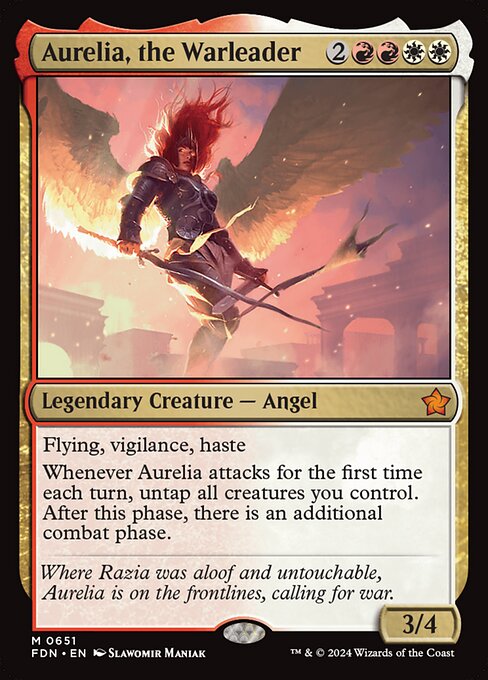
Aurelia, the Warleader
Extra combat finisher
Creates another combat phase after the first time it attacks each turn. Isshin gives an additional trigger, which can create explosive turns, but the six-mana cost is a real deckbuilding constraint.
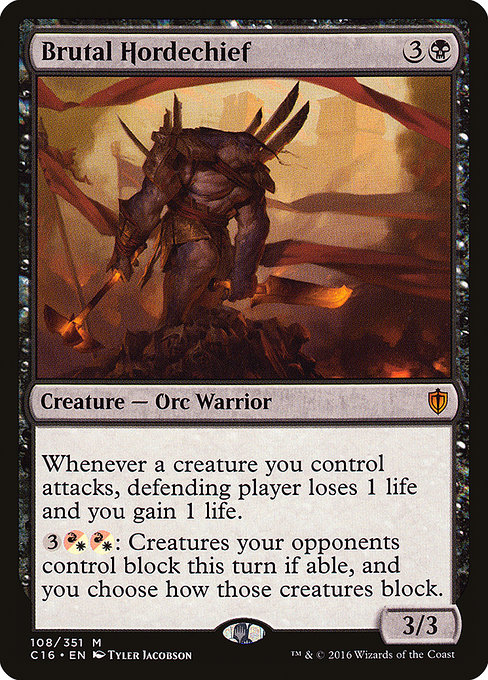
Brutal Hordechief
Drain and combat control
Drains each opponent when your creatures attack, and Isshin doubles that drain trigger. It also gives a late-game mana sink that can force disastrous blocks.
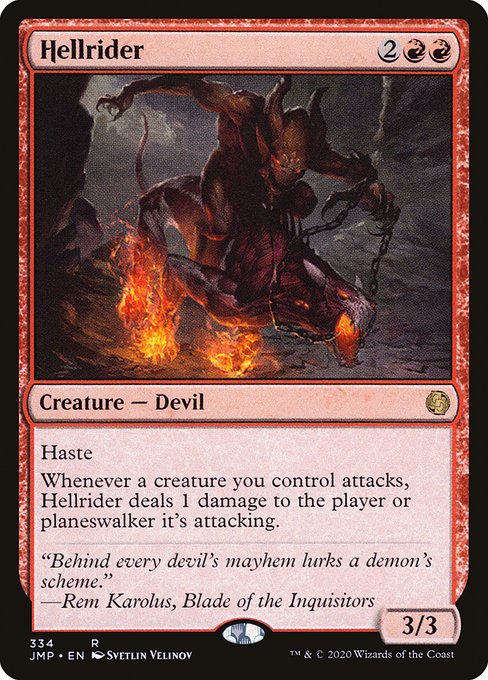
Hellrider
Direct damage finisher
Deals damage when each creature attacks. With Isshin and a wide board, it can end games without requiring combat damage to connect.
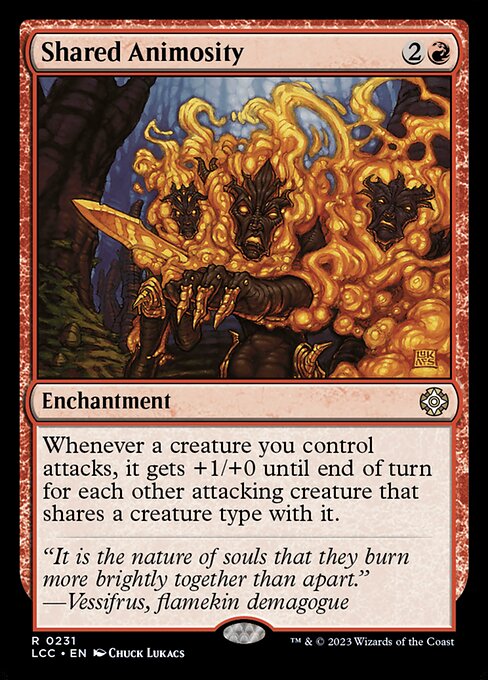
Shared Animosity
Tribal-style damage boost
Works best when your tokens share creature types, especially Goblins or Humans. It is powerful, but less consistent if your creature types are scattered.
Aurelia, the Warleader is the splashy ceiling card, but it is not mandatory. Brutal Hordechief is often a cleaner budget finisher because the drain happens on attack and each attacking creature adds pressure before blockers. Hellrider is similar: it converts a wide board into direct damage and rewards the same token plan you already wanted. Shared Animosity is excellent only when your creature types cooperate, so check your actual list before treating it as an automatic inclusion.
Budget swaps that keep the deck focused
Budget Isshin upgrades should preserve function, not imitate price tags. If a premium card gives extra combats, your budget replacement can be a cheaper damage engine. If a premium card makes multiple attackers, your replacement can be a lower-cost token attacker. The question is not whether the cheaper card is equally powerful in a vacuum. The question is whether it keeps your attack step productive.
Isshin upgrade and budget-swap map
| Need | Higher-ceiling option | Budget direction | Why it works |
|---|---|---|---|
| Explosive top-end | Aurelia, the Warleader | Brutal Hordechief or Hellrider | They turn attacks into damage without needing six mana. |
| Wide token pressure | Adeline, Resplendent Cathar | Skyknight Vanguard | Both create attacking bodies from an attack trigger. |
| Card reload | Skullclamp | Morbid Opportunist | Both convert creature-heavy combat into more cards, at different speeds. |
| Token draw support | Tocasia's Welcome | Welcoming Vampire | Both reward small creatures entering from token triggers. |
| Mana consistency | Premium three-color lands | Myriad Landscape | Slower, but it supports land drops in budget Mardu lists. |
Use the table as a role checklist rather than a strict shopping list. For example, replacing Aurelia, the Warleader with Hellrider lowers the ceiling of your biggest turn, but it also lowers your curve and makes your deck faster. Replacing Adeline, Resplendent Cathar with Skyknight Vanguard costs raw power, but it gives budget decks an early play that works naturally with the commander.
Price the upgrades before changing your 99
Run your Isshin list through Deckcipher, then decide whether you need premium finishers, budget alternatives, or mana upgrades first.
Mana curve and sequencing
Isshin costs three mana, but the deck is not automatically low to the ground. Many exciting attack-trigger cards cost four, five, or six. If your first meaningful creature arrives after Isshin, your commander often sits on the battlefield doing nothing. A stronger curve plays a cheap attacker first, casts Isshin, then attacks with copied triggers on the following turn.
A practical curve starts with 12 to 16 cards at mana value one or two, including creatures, ramp, and protection. Then keep your four-mana section disciplined. Four mana is where many Isshin cards compete, so choose the ones that create immediate pressure. If you have too many cards that are only good after you already have Isshin and a board, your opening hands become fragile.
Mana also matters because Mardu decks need all three colors early. If you frequently miss the third color, do not buy another finisher first. Fix the mana base. Use the mana base calculator to check colored sources, then use the commander mana curve calculator to see whether your upgraded list can actually deploy threats before turn five.
Interaction and protection
Isshin attracts removal because the table can see the math coming. The deck therefore needs protection and interaction, but it should not become a control deck. You want enough answers to survive the first board wipe, remove a critical blocker or combo piece, and protect the combat step where your triggers matter.
Protection and interaction choices
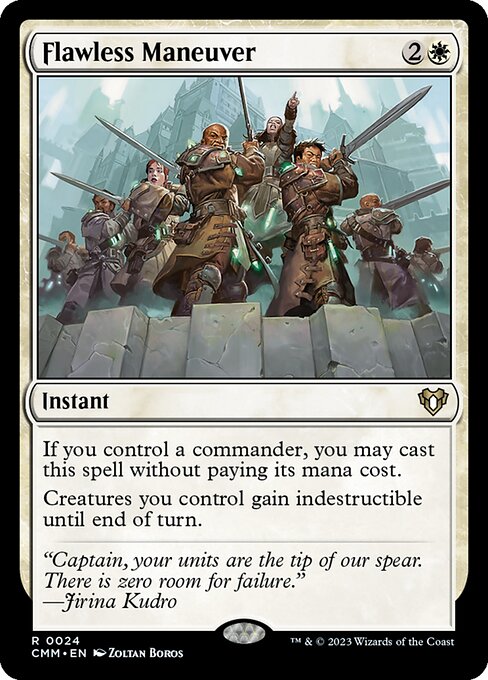
Flawless Maneuver
Free protection
Protects your board when your commander is out. It is strong in go-wide lists, but the price can be hard to justify for a budget build.
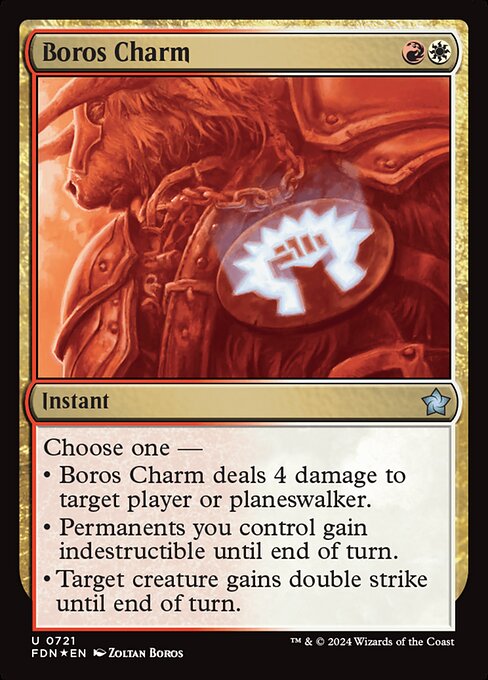
Boros Charm
Flexible protection and reach
Can make permanents indestructible or finish a low-life opponent. It is efficient and fits the colors naturally.
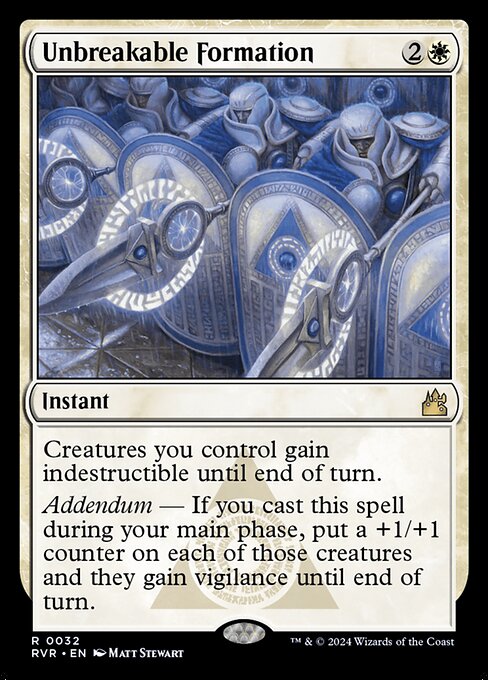
Unbreakable Formation
Board protection and attack boost
Protects creatures at instant speed, or turns a main-phase cast into a stronger attack. It is a practical budget protection spell.

Swords to Plowshares
Efficient removal
Removes a dangerous creature for one mana. Isshin decks like cheap answers because they need mana available for threats and protection.

Anguished Unmaking
Broad permanent removal
Answers many problem permanents at instant speed. The life loss is usually acceptable in a 40-life format.
Flawless Maneuver is excellent, but Boros Charm and Unbreakable Formation cover much of the same job for many casual tables. Swords to Plowshares and Anguished Unmaking are the kind of interaction Isshin wants because they are efficient and do not require you to hold up four mana every turn. If your deck routinely loses to sweepers, add protection before adding another finisher.
Power level and pod expectations
Isshin can sit comfortably in a mid-power Commander pod, but the exact build matters. A budget list with token attackers and modest protection often plays like a strong casual combat deck. A tuned list with premium protection, fast mana, and repeated extra-combat lines can feel much closer to high-power casual. Before upgrading, decide whether your goal is to win faster or to make the deck more consistent at the same table.
For most groups, the healthiest Isshin list is proactive but answerable. It should threaten big turns around turns five to seven, not consistently erase the table before opponents develop. If you are unsure where your version lands, use the bracket calculator and then sanity-check the result with your pod. Deck power is partly card quality and partly how quickly the deck converts its engine into wins.
A practical upgrade order
If you are upgrading from a precon-style or budget shell, start with consistency. First, make sure the deck has enough lands and colored sources. Second, add cheap attack triggers so Isshin has something to copy. Third, add card flow so you can rebuild. Fourth, add finishers. This order prevents the common problem of buying a premium top-end card for a deck that still cannot cast its spells smoothly.
- Fix the mana base until you can cast your early creatures and Isshin on time.
- Increase the count of true attack-trigger cards before adding generic combat buffs.
- Add card advantage that works with tokens and creature combat.
- Choose two or three finishers that match your curve instead of stacking every flashy top-end card.
- Reserve five to eight slots for protection and interaction so one board wipe does not end your game.
When testing, track the first six turns. If you cast Isshin with no profitable attack on the next turn, add more early creatures. If you build a board but run out of cards, add draw engines. If you create plenty of tokens but cannot close, add damage finishers. This feedback loop is more useful than copying a list card for card, because Isshin decks vary heavily by budget and pod speed.
Audit your Isshin list after swaps
Use Deckcipher tools to check budget, curve, and mana before your next Commander night.
FAQ
Does Isshin, Two Heavens as One double attack triggers from tokens?
Yes, if a creature attacking causes a triggered ability of a permanent you control to trigger, Isshin makes that ability trigger an additional time. Token creatures can attack and cause abilities to trigger just like nontoken creatures.
Is Isshin better as tokens or Samurai tribal?
Most Isshin decks are stronger when built around attack triggers rather than strict tribal restrictions. Tribal themes can work, but the key question is still whether the cards create strong copied attack triggers.
How many lands should an Isshin Commander deck play?
Most Isshin lists should start around 36 to 38 lands. If your curve is high or your mana base is budget, lean higher. If your curve is low and you have reliable ramp, you can test the lower end.
What should I upgrade first in a budget Isshin deck?
Upgrade mana consistency and cheap attack triggers first. After that, add card advantage and protection. Expensive finishers should come later, because they are weaker when the deck cannot reliably build an attacking board.
Is Isshin too strong for casual Commander?
Isshin is usually acceptable in casual pods when the deck wins through combat and gives opponents time to interact. Premium protection, fast mana, and repeated explosive combat lines can move the deck into a higher-power conversation.