
Kaalia upgrades should make turn-four attacks safer, not just bigger
A strong kaalia of the vast commander deck guide upgrades and budget swaps plan starts with protection, fast but sustainable ramp, and a threat suite that wins when Kaalia connects. Do not spend every upgrade dollar on giant Angels, Demons, and Dragons if your table can remove Kaalia before combat.
Healthy Kaalia deck targets
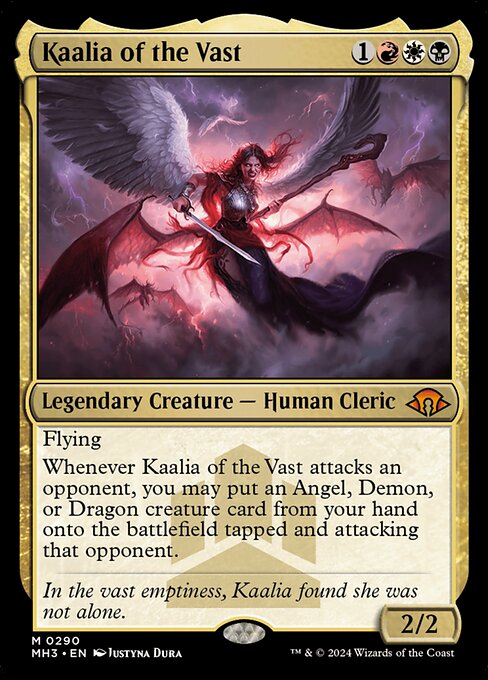
Kaalia of the Vast
Commander
Kaalia cheats an Angel, Demon, or Dragon from hand onto the battlefield tapped and attacking when she attacks, so the deck is built around making one attack step safe and decisive.
What Kaalia is actually trying to do
Kaalia of the Vast looks like a creature-tribal commander, but she plays more like a pressure-combo commander. The deck wants to spend the first two or three turns developing mana, then cast Kaalia of the Vast, protect her through one combat step, and put a high-impact Angel, Demon, or Dragon into combat without paying its mana cost. The strongest lists are not the ones with the most expensive top end. They are the ones where the first attack matters.
That difference matters for upgrades. A seven-mana threat that only hits hard is less important than a threat that removes blockers, shuts off opponents, draws cards, or creates an immediate clock. If Kaalia of the Vast dies twice before attacking, the deck can become a clunky Mardu pile full of expensive creatures. Your upgrade budget should first reduce that fail state.
For most non-cEDH Commander tables, a practical Kaalia of the Vast list should aim for a turn-three or turn-four commander, at least one protection piece before the first attack, and enough removal to clear the one creature that would make attacking bad. Before buying more finishers, run your current list through the Commander Interaction Checker and make sure the deck is not short on ways to answer opposing removal, blockers, and must-kill engines.
Best upgrade path: protection before haymakers
The common Kaalia mistake is replacing every medium Dragon with a splashier expensive threat while leaving the commander exposed. Kaalia of the Vast has to attack, so she is vulnerable to spot removal before combat, removal during combat, and blockers that make attacks unprofitable. Protection cards are not boring support slots in this deck. They are the cards that let the rest of the deck function.
Lightning Greaves and Swiftfoot Boots are the classic equipment options because they help Kaalia of the Vast survive and attack sooner. The tradeoff is real: Lightning Greaves costs less to equip, but shroud can stop you from targeting Kaalia of the Vast with your own later protection or pump effects. Swiftfoot Boots is slower, but hexproof is cleaner in games where you expect multiple turns of commander protection.
The one-shot protection spells play a different role. Teferi's Protection can blank sweepers and crack-back damage, while Flawless Maneuver can protect your board when you are trying to keep pressure after the first attack. Boros Charm is cheaper and flexible because it can save permanents or finish a damaged opponent, but it does not solve every exile-based answer. In budget builds, the key is not copying the most expensive protection package. It is reaching the correct density so your opening hands can actually support Kaalia of the Vast.
Protection package options

Lightning Greaves
Haste and protection
The fastest equipment for getting Kaalia attacking, especially when your table uses mostly targeted removal before combat.

Swiftfoot Boots
Haste and safer targeting
Costs one to equip, but hexproof avoids the awkward shroud problem and is easier to manage across longer games.
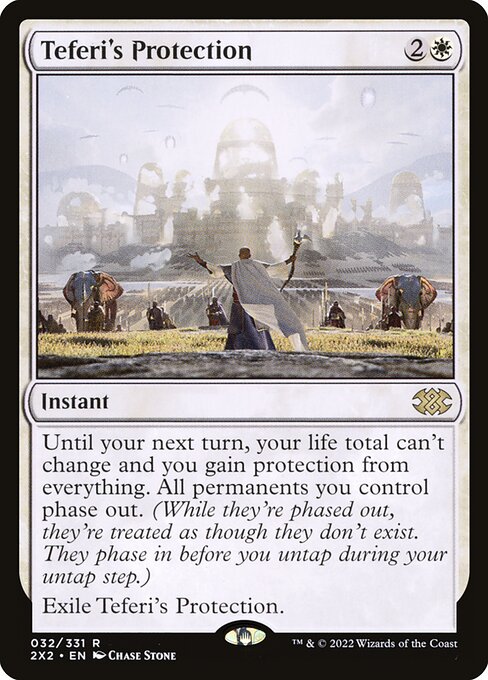
Teferi's Protection
Premium defensive reset
Protects your board, life total, and attack plan from sweepers or lethal backswing turns after Kaalia commits threats.
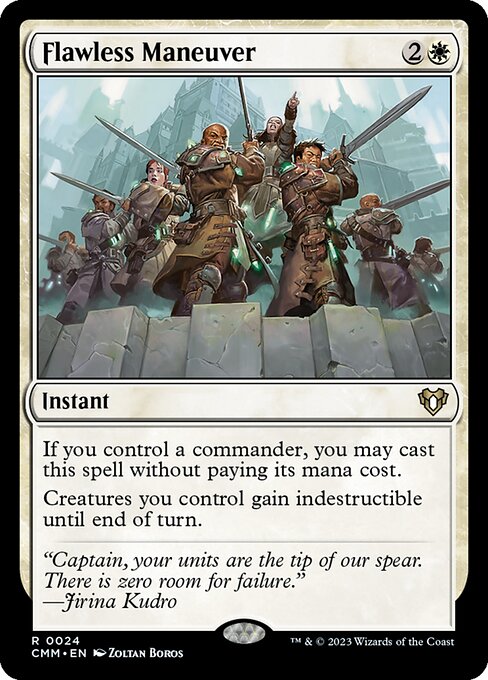
Flawless Maneuver
Free board protection
Strong when Kaalia is already in play and you need to keep your attacking board through damage-based or destroy sweepers.
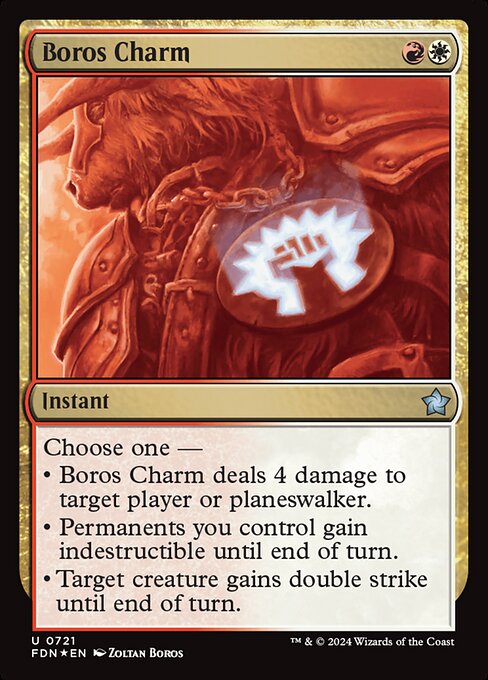
Boros Charm
Budget flexible protection
A lower-cost way to protect permanents from many sweepers while also giving the deck reach in close combat games.
Threat upgrades: choose creatures that change the game immediately
Kaalia of the Vast rewards threat quality more than threat quantity. You do not need twenty-five huge creatures. You need enough that the commander reliably has something to put in, and those creatures should punish opponents immediately. The best attack triggers, static effects, and combat damage effects either remove interaction, limit opponents' ability to recover, or create a two-turn clock.
Master of Cruelties is one of Kaalia's scariest hits, but the interaction has a real rules restriction worth understanding before you build around it. When Kaalia of the Vast attacks, its trigger can put Master of Cruelties onto the battlefield tapped and attacking -- that is what matters mechanically, since a creature normally can't attack the turn it enters the battlefield, and entering already-attacking is the specific loophole that skips that restriction. If Master of Cruelties then goes unblocked, its own triggered ability lets you set the defending player's life total to 1 instead of dealing normal combat damage, and that player can't gain life for the rest of the game. What it does not do is dodge blocking: entering the battlefield already attacking only bypasses summoning sickness, not the declare-blockers step, so the defending player still gets a completely normal chance to block it there. A single spare blocker -- even a 1/1 token -- fully denies the life-total effect and just trades ordinary combat damage instead. Treat it as a genuine threat opponents will often have an answer for, not a guaranteed one-shot kill, and expect experienced tables to hold a blocker back specifically to stop it.
Razaketh, the Foulblooded is a different kind of premium threat. It does not just attack. It can convert expendable creatures into specific cards, turning a connected Kaalia attack into a tutor engine. Avacyn, Angel of Hope protects your board and makes combat miserable for opponents, but she is expensive to cast when you do not draw Kaalia. Balefire Dragon is excellent when creature boards dominate your meta because one hit can clear opposing armies. Rune-Scarred Demon is less explosive, but it gives a clean tutor effect and is easier to justify in mid-power lists.
High-impact Kaalia targets
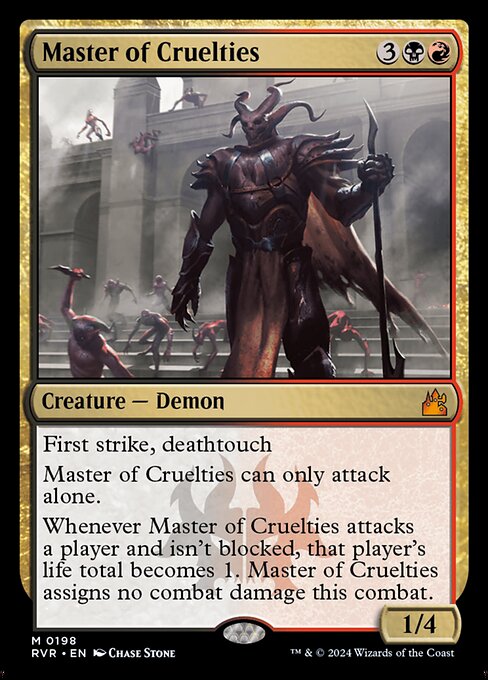
Master of Cruelties
Lethal pressure piece
Enters tapped and attacking via Kaalia's trigger, which is what skips summoning sickness -- but it can still be blocked normally in the declare-blockers step, so a spare chump blocker fully denies the life-total-to-1 effect.
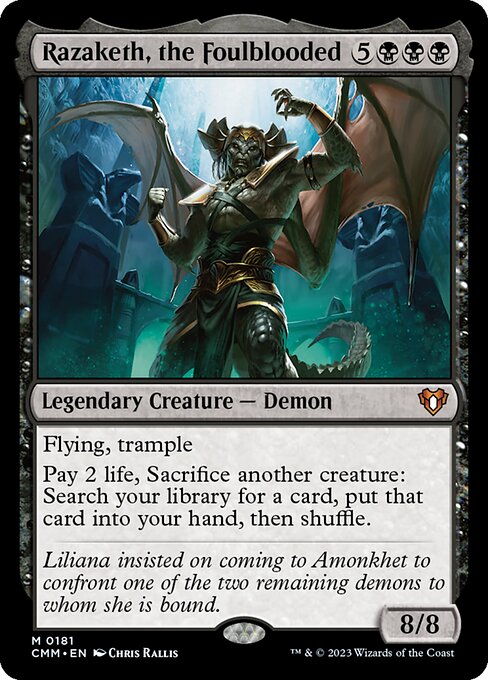
Razaketh, the Foulblooded
Tutor engine
Turns creatures into specific cards and lets Kaalia pivot from combat pressure into a deterministic resource advantage plan.
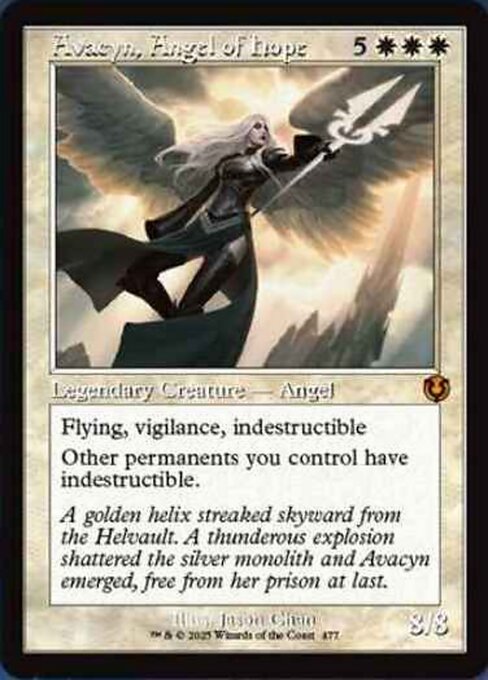
Avacyn, Angel of Hope
Board protection finisher
Makes your permanents indestructible and converts a successful Kaalia attack into a board state that is hard to sweep.
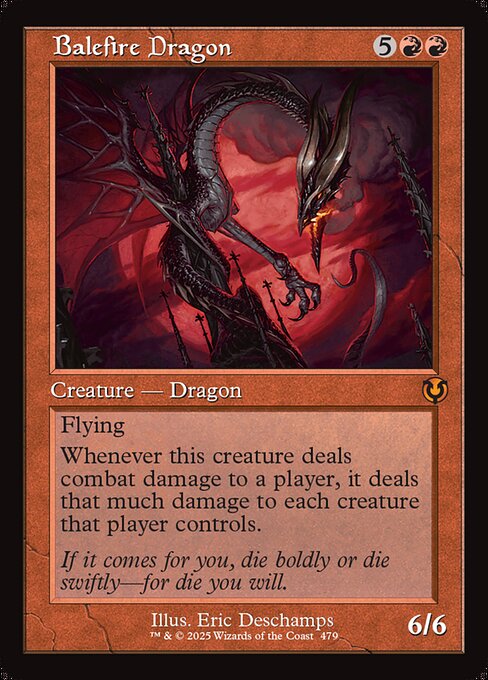
Balefire Dragon
Creature-board sweeper
Excellent against token, Elf, and creature-combat pods because combat damage can wipe opposing creature boards.
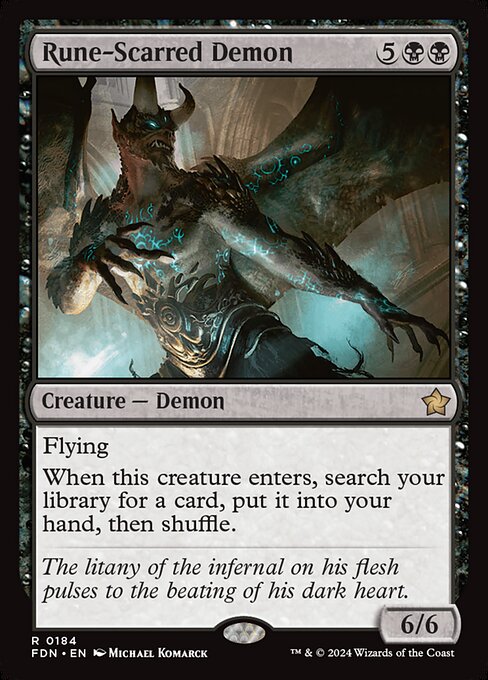
Rune-Scarred Demon
Value tutor threat
A reliable mid-power Demon that finds protection, removal, or a follow-up finisher without requiring a combo shell.
Budget swaps that keep the same job
Budget Kaalia of the Vast decks should not try to imitate premium lists card for card. They should preserve roles. If a premium card protects Kaalia, the budget replacement should still protect Kaalia. If a premium threat tutors, wipes creatures, or locks combat, the budget replacement should offer a comparable game function even if it is slower or easier to answer.
This is where a role-based swap plan beats a simple price list. Gisela, Blade of Goldnight can end games quickly by doubling damage dealt to opponents and reducing damage dealt to you, but budget lists can still win with Aurelia, the Warleader if the goal is extra combat pressure. Archfiend of Depravity is not Razaketh, the Foulblooded, but it pressures creature-heavy decks and forces opponents to trim boards. Angel of Despair is slower than the most efficient removal threats, yet it gives Kaalia a flexible permanent answer stapled to an evasive body.
Premium threat swaps by role
Use these swaps when you need to lower the deck price while keeping the same strategic job in the list.
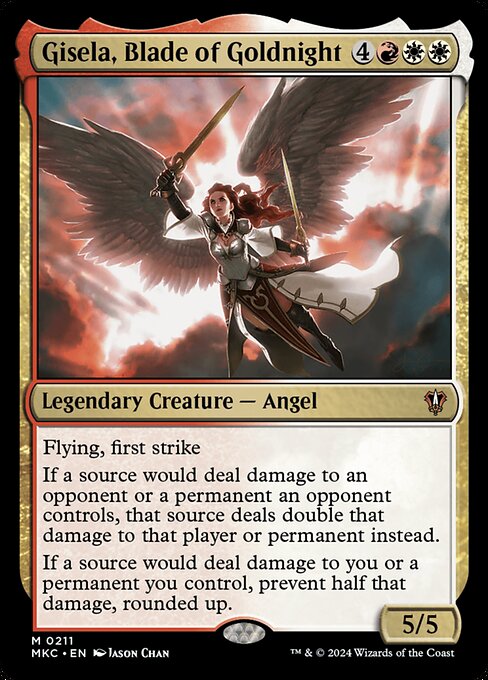
Gisela, Blade of Goldnight
Premium damage multiplier
A terrifying Kaalia hit that makes your attacks hit harder and makes racing you difficult.
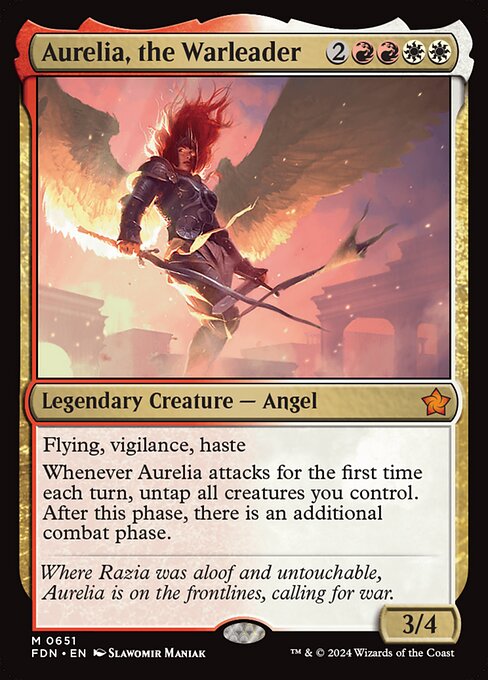
Aurelia, the Warleader
Extra combat pressure
Still creates explosive attack steps and can let Kaalia generate another attack trigger on later turns.
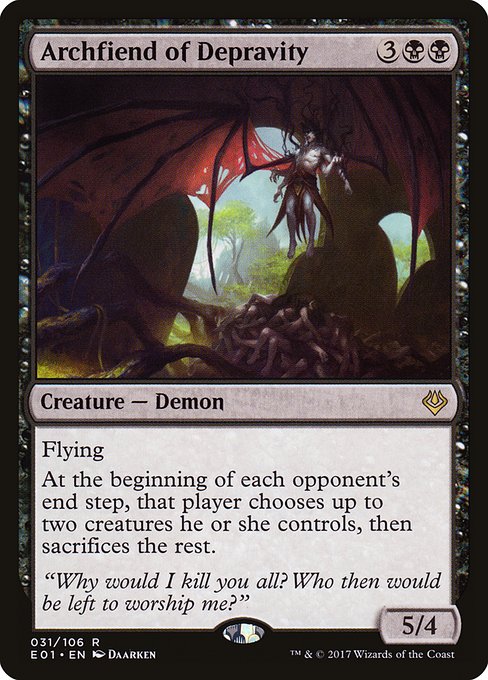
Archfiend of Depravity
Creature-board control
A budget-friendly Demon for metas where opponents build wide boards that can block or race Kaalia.
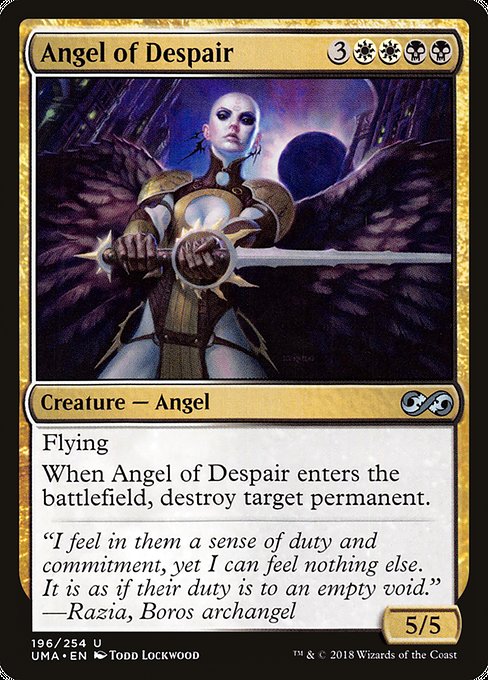
Angel of Despair
Removal threat
Answers any permanent on entry, which gives budget Kaalia lists a useful catch-up play after connecting.
For more substitutions, use Commander Budget Alternatives after identifying the expensive roles in your list with the Deck Price Calculator. The important part is to replace jobs, not mana values. A cheaper seven-drop that does nothing until next turn is often worse than a five-drop that removes a blocker or protects the attack.
Ramp and mana base: Kaalia needs colored speed, not just rocks
Kaalia of the Vast costs one red, one white, one black, and one generic mana. That means the deck cannot rely on colorless acceleration alone. Sol Ring is still powerful, but a hand with Sol Ring and no correct colors may not cast Kaalia on time. The deck wants ramp that produces colored mana and lands that enter untapped often enough to support a turn-three or turn-four commander.
Arcane Signet, Talisman of Conviction, Talisman of Hierarchy, and Talisman of Indulgence are good examples of two-mana rocks that help cast Kaalia of the Vast. Fellwar Stone is table-dependent but usually strong in Commander because opponents often cover your colors. In slower budget builds, the Signets and Talismans are not glamorous upgrades, but they improve the percentage of games where your commander arrives before opponents have fully stabilized.
The land base should be checked with color requirements in mind. If you keep missing black or white on turn three, buying another expensive Dragon will not solve the problem. Use the Mana Base Calculator to check whether your Mardu sources support the early turns. A practical starting point is 35 to 37 lands, 10 to 12 ramp pieces, and enough untapped black, red, and white sources that Kaalia of the Vast is not stranded in command zone.
Ramp that supports early Kaalia

Sol Ring
Fast colorless ramp
Explosive, but it still needs colored sources beside it because Kaalia requires red, white, and black.

Arcane Signet
Best simple color fixer
Produces any of Kaalia's colors and is one of the cleanest two-mana rocks for Mardu Commander decks.

Talisman of Conviction
Red-white acceleration
Helps cast protection and removal while contributing to early Kaalia color requirements.

Talisman of Hierarchy
White-black acceleration
Covers two important Kaalia colors and helps leave mana up for interaction after the commander resolves.

Talisman of Indulgence
Black-red acceleration
Supports early commander deployment and keeps removal mana available in the same color pair.

Fellwar Stone
Table-dependent fixer
Usually taps for at least one Kaalia color in multiplayer and is a strong budget-friendly rock.
Removal and interaction: clear the attack lane
Kaalia decks need interaction for two separate reasons. First, they must remove the blocker or stax piece that stops the first attack. Second, they must answer the permanent that will take over the game if the table focuses only on Kaalia. Efficient spot removal is better than narrow tribal synergy in these slots.
Swords to Plowshares and Path to Exile remain excellent because they clear blockers for one mana. Anguished Unmaking and Wear // Tear handle problem permanents that creature combat cannot solve. Toxic Deluge is one of the stronger sweepers because it can reset the table before Kaalia deploys a new threat, though it requires careful life payment. In more budget-conscious lists, Blasphemous Act offers a cheaper board reset that often costs one red mana in multiplayer.
Do not overload on sweepers that kill your own commander without a recovery plan. Kaalia of the Vast wants the option to reset the board, then immediately redeploy or protect a threat. A good interaction suite usually includes six to eight spot removal spells, two to three sweepers, and a few flexible answers that can hit artifacts or enchantments. If your meta has many fast combo decks, raise the cheap interaction count and consider whether your deck belongs in a higher bracket with the Bracket Calculator.
Interaction for Kaalia decks

Swords to Plowshares
Efficient creature answer
Clears a blocker or removes a must-answer creature for one white mana.

Path to Exile
Backup creature exile
Another cheap answer that helps force Kaalia through combat when one creature is stopping the attack.

Anguished Unmaking
Flexible permanent answer
Hits many problem permanents at instant speed, which is valuable when combat cannot solve the board.
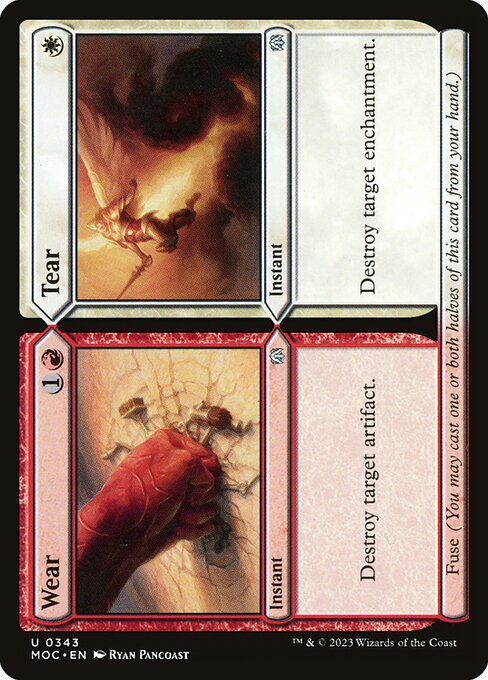
Wear // Tear
Artifact and enchantment answer
Efficiently answers common hate pieces, mana rocks, and enchantments that interfere with Kaalia's plan.

Toxic Deluge
Premium sweeper
Scales to the board and can clear blockers before rebuilding with Kaalia and a protected threat.

Blasphemous Act
Budget creature sweeper
Often costs one red mana in multiplayer and gives budget lists a powerful reset button.
Card draw and tutors: avoid running out after the first attack
Kaalia of the Vast can spend cards quickly. If the first threat dies and the commander is taxed, the deck needs ways to reload. Card draw in this shell should either reward combat, convert life into cards, or find the specific missing piece. The deck is already aggressive, so paying life is acceptable when it helps keep pressure.
Necropotence is powerful but changes the deck's texture because it asks for careful hand planning and a stable black source. Black Market Connections is slower but flexible, giving cards, bodies, or Treasure over several turns. Esper Sentinel is strongest early, especially when opponents are trying to develop while holding removal for Kaalia. Demonic Tutor is the clean premium tutor, while Diabolic Tutor is a budget fallback that is much slower but still finds the needed protection or threat.
Draw and tutor options
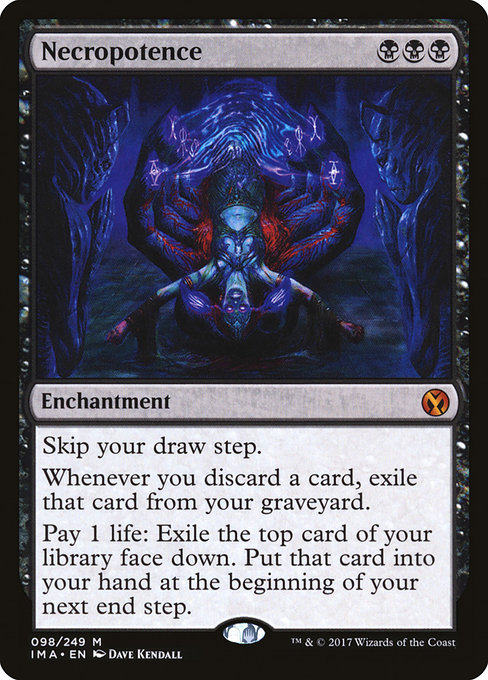
Necropotence
Premium card advantage
Refills aggressively in exchange for life and careful timing, especially after deploying early mana.

Black Market Connections
Flexible advantage engine
Produces cards, Treasure, or creatures over time and helps Kaalia rebuild after removal-heavy turns.
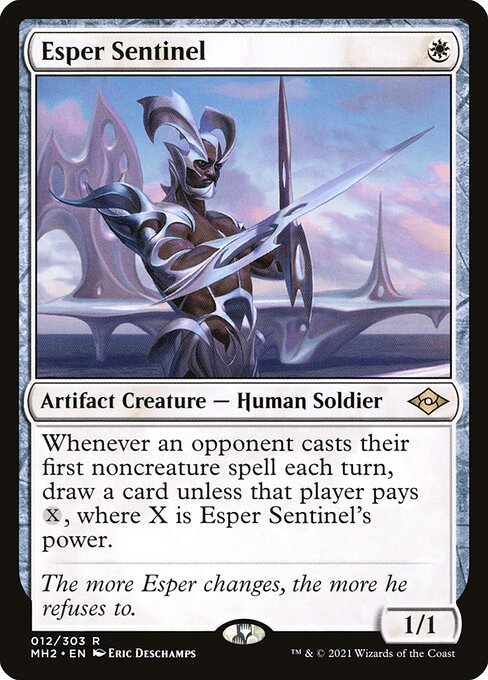
Esper Sentinel
Early tax draw
Best when played early, forcing opponents to slow down or feed you cards while they answer Kaalia.
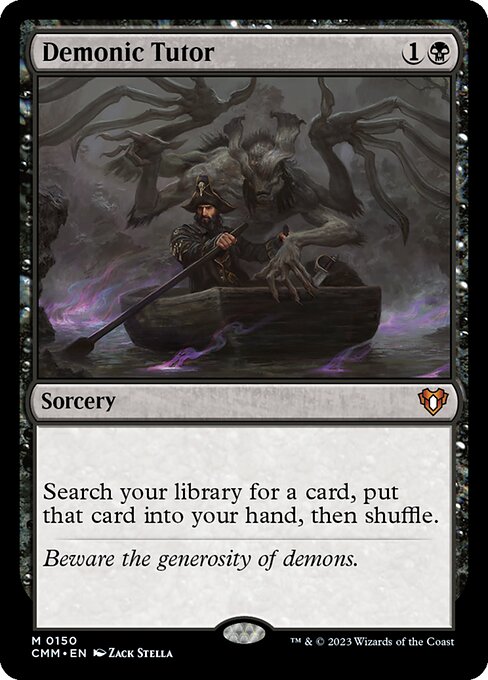
Demonic Tutor
Premium consistency
Finds protection, a lethal threat, removal, or a missing mana piece for only two mana.
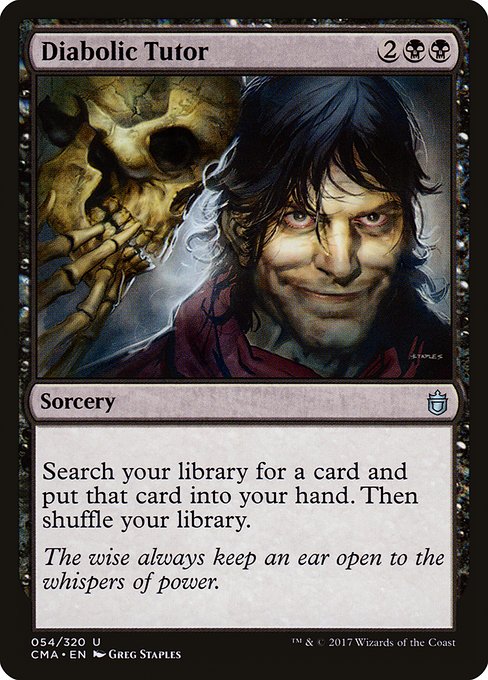
Diabolic Tutor
Budget tutor
Much slower than premium tutors, but it preserves the role for budget lists that need access to key cards.
Example upgrade map by budget
If you have a small upgrade budget, start with the cards that increase functional games. That usually means Arcane Signet, the three Talismans, Boros Charm, Wear // Tear, and a couple of role-player threats such as Archfiend of Depravity or Angel of Despair. Those cards make the deck cast spells, protect its commander, and interact without demanding premium prices.
At a medium budget, improve the protection and card advantage suite. Swiftfoot Boots, Lightning Greaves, Black Market Connections, Esper Sentinel, and better spot removal all increase the chance that Kaalia of the Vast connects and that the deck still has cards after the first wave. This tier is often where the deck feels most improved because the games become less binary.
At a higher budget, add the premium threats and tutors that make every attack terrifying. Razaketh, the Foulblooded, Avacyn, Angel of Hope, Master of Cruelties, Necropotence, Demonic Tutor, and Teferi's Protection are powerful, but they also raise table expectations. If your group uses power discussions or bracket-style expectations, check your list with the Bracket Calculator before bringing a heavily tuned Kaalia deck to a lower-power pod.
Kaalia upgrade priorities by budget
| Budget tier | Buy first | Why it matters | Avoid |
|---|---|---|---|
| Low | Colored ramp, flexible removal, budget protection | Makes Kaalia castable and keeps the first attack realistic | Expensive haymakers before mana fixes |
| Medium | Haste equipment, better draw, stronger spot removal | Turns Kaalia from fragile into repeatable pressure | Too many seven-plus mana creatures |
| High | Premium tutors, premium protection, best attack targets | Makes every connected attack threaten a win or lock | Ignoring table power expectations |
Common cuts when upgrading Kaalia
The easiest cuts are expensive creatures that do not affect the board immediately. A big flyer with no attack trigger, no removal, no protection, and no card advantage is usually just a win-more card. Kaalia of the Vast makes expensive creatures cheaper, but she does not make low-impact text boxes good. If the creature is bad when drawn without Kaalia and only medium when cheated in, it is a cut candidate.
Also cut ramp that does not help with colors, slow tapped lands that repeatedly delay Kaalia, and narrow combat tricks that do not protect against real removal. The deck can play some flashy cards, but every nonland slot should answer one question: does this help Kaalia attack, make the attack decisive, or recover when the attack plan fails?
Audit your Kaalia list before buying upgrades
Import your deck, check price pressure, then compare budget replacements before committing to premium Angels, Demons, and Dragons.
FAQ
How many Angels, Demons, and Dragons should Kaalia of the Vast play?
Most builds want about 14 to 18 premium hits. Fewer than that can leave Kaalia attacking with nothing meaningful in hand, while too many can make opening hands slow and uninteractive.
Is Kaalia of the Vast a competitive commander?
Kaalia can be very strong in high-power casual Commander, but she is fragile and combat-dependent. The more competitive the table, the more you need cheap protection, fast mana, tutors, and efficient interaction rather than extra expensive creatures.
What should I upgrade first in a Kaalia deck?
Upgrade protection and colored ramp first. A premium threat does not matter if Kaalia cannot be cast on time or dies before attacking. After that, improve removal, draw, and the quality of the threat package.
Are budget Kaalia decks still playable?
Yes. Budget Kaalia works when the deck preserves roles: enough colored ramp, enough protection, and threats that remove permanents, control boards, or pressure life totals. Budget lists should avoid filling slots with expensive creatures that only have large power and toughness.
How many lands should Kaalia of the Vast play?
A typical list should start around 35 to 37 lands, then adjust based on ramp count and curve. Because Kaalia needs red, white, and black early, color source quality matters more than simply adding more lands.