
cEDH vs casual Commander is mostly about intent, speed, and tolerance for efficiency
cEDH is Commander played with the goal of maximizing win percentage under the normal Commander rules, while casual Commander is usually built around experience, expression, theme, and negotiated power. The difference is not whether players are friendly or whether strong cards are allowed, but whether the table expects optimized deckbuilding, tight mulligans, compact wins, and fast interaction.
At-a-glance comparison
What cEDH means in practice
Competitive EDH, usually shortened to cEDH, is not a separate ruleset. It uses Commander deck construction, the multiplayer structure, commander damage, color identity, the Commander ban list, and the same starting life total. For a 2026 discussion, that point matters: banned historical staples such as Mana Crypt and Dockside Extortionist should not be presented as current legal cEDH cards. The practical difference is that deck and gameplay decisions are made to increase win percentage against other optimized Commander decks.
A cEDH deck is usually built to present a win attempt early, stop another player from winning early, or generate enough card and mana advantage to fight through multiple opponents. The common turn-two-to-five pressure range is a heuristic, not a definition. Many cEDH games go long because players interact well, and some fringe cEDH decks win later. The important part is consistency and resilience: the table expects a player to try to win as soon as they can do it with protection.
Concrete examples make the difference clearer. Thassa's Oracle plus Demonic Consultation or Tainted Pact is compact because two cheap cards can win with little battlefield setup. Underworld Breach shells matter because the graveyard becomes a second hand. Ad Nauseam decks keep average mana value low so one spell can draw a winning grip. Kinnan, Bonder Prodigy turns legal rocks and dorks into explosive mana, while stax decks use cards like Drannith Magistrate and Rule of Law to slow everyone else.
Cards that illustrate common cEDH pressure points
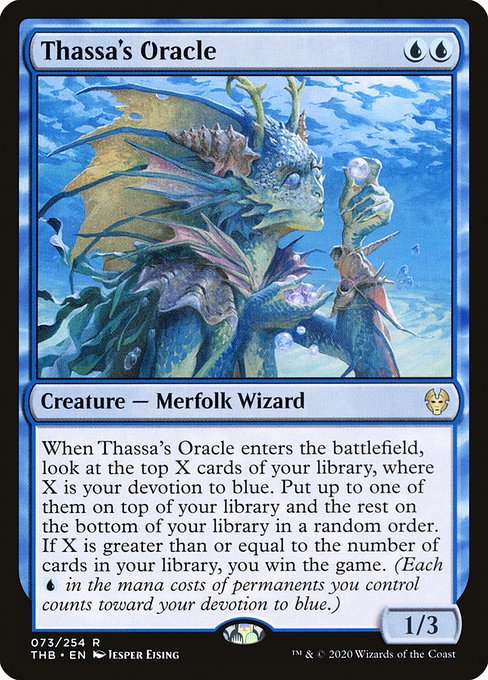
Thassa's Oracle
Compact win condition
A low-mana win card that rewards decks able to empty or heavily reduce their library.
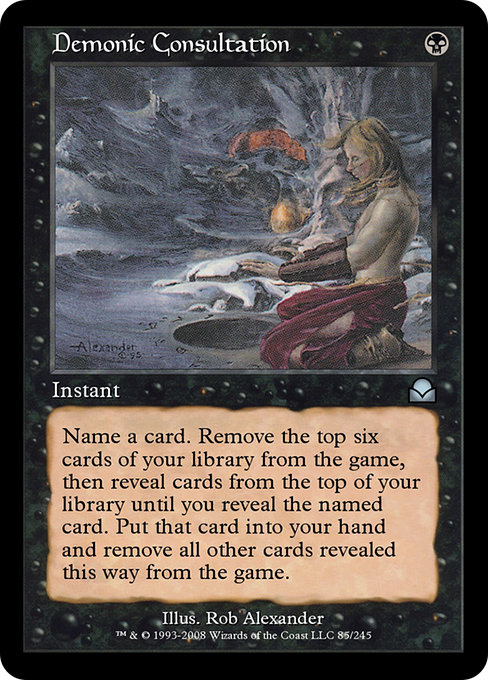
Demonic Consultation
Combo enabler
Often paired with a library-based win condition because it is extremely cheap and instant speed.
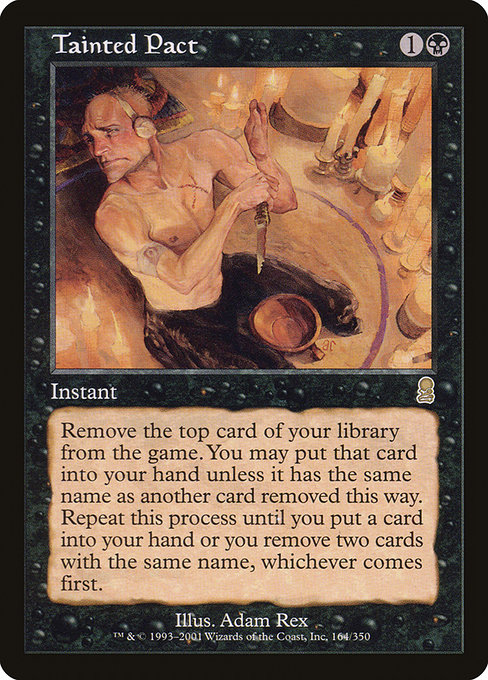
Tainted Pact
Combo enabler
Pairs with Oracle in singleton mana bases and rewards careful deck construction.
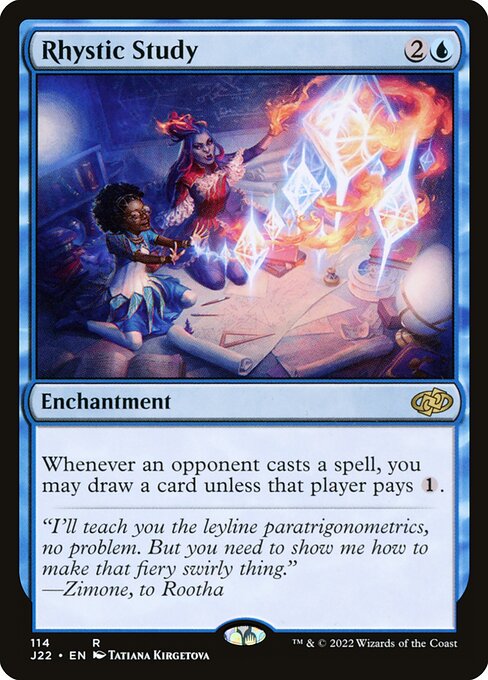
Rhystic Study
Card advantage engine
Taxes the table while turning opponents' development into cards if they cannot pay.
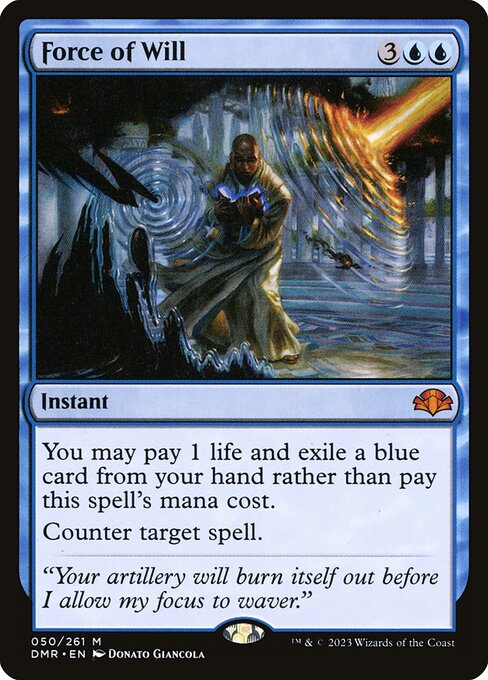
Force of Will
Free protection
Lets a player interact while tapped out, which is crucial when win attempts happen early.
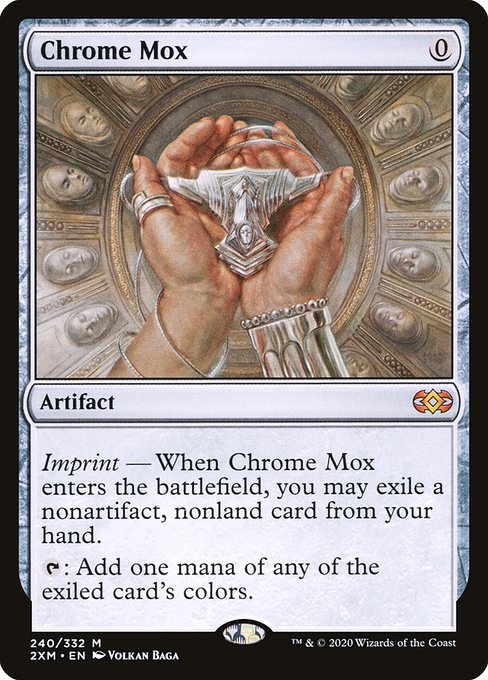
Chrome Mox
Fast mana
Trades a card for immediate acceleration, helping early commanders, stax pieces, or protected combo turns.

Sol Ring
Universal acceleration
A Commander staple that is legal in many casual pods too, but its role changes in optimized shells.

Command Tower
Mana fixing
A baseline example of efficient Commander fixing that appears across the whole power spectrum.
What casual Commander means in practice
Casual Commander covers everything from upgraded preconstructed decks to tuned synergy lists. The common thread is not weakness. Casual Commander usually values a shared game experience over pure optimization. A player might keep a seven-mana dragon, a pet tribal payoff, or a political enchantment because those cards create the game they want, even if a tutor or compact combo would win more often.
High-power casual sits between relaxed play and cEDH. For example, a casual Kinnan, Bonder Prodigy deck might play elves, big creatures, and a few strong rocks. A cEDH Kinnan list trims slow payoffs for one-mana accelerants, countermagic, tutors, and deterministic mana outlets. A tuned casual Tymna the Weaver strategy might attack and draw extra cards; a cEDH Tymna shell is often built around efficient card flow, silence effects, and compact wins.
The biggest casual Commander problem is that the word casual hides many power levels. A precon with ten swapped cards, a battlecruiser dragon deck, a tuned aristocrats deck, and a fragile fast combo deck may all be called casual by their pilots. The useful question is not, 'Is this casual?' The useful question is, 'What turn does this deck start threatening wins, how much interaction does it run, and how repetitive is the strongest line?' Tools like the Bracket Calculator and Commander Deck Audit help turn that conversation into specifics.
The practical differences that actually matter at the table
cEDH vs casual Commander decision points
| Question | cEDH expectation | Casual expectation | Why it matters |
|---|---|---|---|
| What is the goal? | Maximize win percentage. | Create an enjoyable game within agreed power. | Players make different choices when a fun line and the strongest line diverge. |
| When can a deck win? | Early wins are normal if protected. | Early wins may be unwelcome unless disclosed. | Turn expectations are the fastest way to detect a mismatch. |
| How are mulligans used? | Aggressively find acceleration, interaction, or a plan. | Often keep playable hands that develop the deck's theme. | A cEDH keep standard can make casual games feel lopsided. |
| How much interaction is expected? | High density, especially cheap stack interaction. | Varies widely and often includes more board-based answers. | Low-interaction pods lose quickly to compact combos. |
| Are tutors normal? | Yes, consistency is a feature. | Depends on the pod and deck goal. | Repeated tutor lines can make casual games feel scripted. |
| How are mistakes treated? | Tight sequencing and threat assessment are expected. | Takebacks and table coaching may be common. | Both are valid, but they create different game textures. |
Speed is visible, but compression is the deeper difference. cEDH lists compress mana, cards, and turns. They prefer cheaper effects, fewer dead cards, and lines that require fewer pieces. Casual decks often spend slots on cards that are powerful only inside a theme, create memorable board states, or let the deck express its identity. Neither choice is wrong, but mixing those assumptions without warning creates bad games.
Interaction also looks different. In cEDH, players must respect the stack because many wins do not require combat. In casual Commander, removal often points at permanents already on the battlefield. For a real threat-assessment example, if Player A has six creatures and Player B has two untapped lands, a tutor in hand, and Thassa's Oracle colors, the correct cEDH concern may be Player B. If your deck repeatedly loses before your removal matters, run it through the Commander Interaction Checker and count one- and two-mana answers.
Mulligans, threat assessment, and gameplay expectations
The same opening hand can be correct in one environment and wrong in another. Hand one: Command Tower, Underground River, Sol Ring, Mystic Remora, Force of Will, blue card, Demonic Tutor. This is a strong cEDH keep because it accelerates, draws, interacts, and finds a plan. It is also a high-power casual keep, but it should be disclosed if the deck tutors for a compact win. In relaxed casual, it may be too efficient for the table.
Hand two: three lands, Cultivate, Solemn Simulacrum, tribal payoff, seven-mana finisher. Relaxed casual usually keeps this because it develops a theme. High-power casual may keep if the table is slower. cEDH usually ships it because it neither stops an early win nor advances a competitive plan quickly. Hand three: one land, Chrome Mox, Mana Vault, Ad Nauseam, Vampiric Tutor, Pact of Negation, random spell. A cEDH pilot may keep depending on commander and colors because it has a protected explosive plan; most casual pods should hear about that speed before the game starts.
This difference can cause social friction. A casual player may feel targeted when a cEDH-trained player counters an early setup spell instead of the biggest creature. The cEDH player may be stopping the card that makes a deterministic win possible. Before the game, say whether you want a relaxed game with room to build or a tight game where efficient threat assessment is expected.
Deck construction signals: how to tell where your list sits
You do not need a perfect label to evaluate a deck. Look for signals. How many zero- or one-mana cards accelerate your plan? How many tutors find the same win condition? How often does the deck win without combat? How many opening hands can threaten a win or lock advantage by turn three? A Najeela deck with combat synergies, extra combats, and splashy Warriors may be high-power casual. A Najeela deck with premium mana, free interaction, silence effects, and compact win lines is signaling cEDH intent.
- A deck is moving toward cEDH when weak thematic cards become cheap acceleration, tutors, protection, and compact win lines.
- A deck remains casual, even if strong, when it deliberately preserves slower themes, splashy cards, combat plans, or variety over maximum consistency.
- A high-budget deck is not automatically cEDH. Expensive lands and staples can make a casual plan smoother without making it competitively optimized.
- A budget deck can still be too strong for a casual pod if it wins early and consistently through compact combos.
- A commander can support multiple versions. The commander name alone rarely proves power level without the ninety-nine.
The easiest self-check is to goldfish honestly. Do not ask only, 'Did I win?' Ask what turn you presented a credible win, how many cards were required, whether the line folded to one removal spell, and how often the deck did nothing relevant before turn four. The cEDH Goldfish Simulator is best for testing high-power opening assumptions, while the Commander Goldfish Simulator can help slower decks see whether their early turns are functional.
Brackets, power levels, and why labels still need conversation
Commander brackets and power-level tools are useful because they give players shared language. They are not a replacement for talking. A deck can have a moderate bracket profile but still create bad games in a specific pod because it attacks an angle the table cannot answer. Likewise, a deck with a few powerful staples may be acceptable if the overall plan is slow, interactive, and varied. Labels are starting points, not verdicts.
When comparing cEDH vs casual Commander, the bracket conversation should name actual packages. 'I run Sol Ring, Mana Vault, Chrome Mox, six tutors, and Oracle plus Consultation' is very different from 'I run Sol Ring, three ramp spells, and a two-card creature combo that usually happens after turn eight.' Game Changer-style effects, fast mana, deterministic combos, and tutor density all change expectations. Use a tool like the Bracket Calculator, then add the human details: earliest realistic win turn, legal fast mana, tutors, and how hard the deck repeats its best line.
How to choose the right game for your pod
Start with the game experience, not the deck label. If the table wants a high-agency puzzle where every player is trying to win efficiently, cEDH is a good fit. If the table wants politics, board development, big swings, theme expression, and room for slower cards, casual Commander is a better fit. Problems happen when players want different games but use the same vocabulary.
For mixed groups, build lanes. One lane can be precon or upgraded precon. One can be tuned casual, where strong cards are fine but early deterministic wins are limited. One can be high power, where fast mana and compact combos are allowed but not every list is fully optimized. One can be cEDH, where everyone opts into maximum efficiency. The more often your group plays, the more valuable these lanes become.
If you are upgrading a casual deck, change one axis at a time. Better lands and more interaction usually improve game quality. Adding fast mana, tutors, and a compact combo all at once may move the deck into a different lane immediately. If you are depowering a cEDH-style shell, reduce redundancy, slow down the fastest wins, and add cards that create interactive board states rather than ending the game the same way every time.
Turn the power-level talk into numbers
Import your list, check bracket signals, then test whether your early turns match the game your pod wants.
Bottom line
The cleanest answer to cEDH vs casual Commander is this: cEDH is an optimized competitive agreement inside the Commander rules, while casual Commander is a negotiated social agreement that can include many power levels. Neither is morally better. They reward different deckbuilding choices and different gameplay habits.
A good pod does not need every deck to be equal. It needs players to be honest about speed, consistency, interaction, legality, and intent. If you disclose early win potential, explain your strongest line, and choose a table that wants that experience, cEDH and casual Commander can both thrive in the same community.
FAQ
Is cEDH a different format from Commander?
No. cEDH uses the normal Commander rules and ban list. The difference is player intent and optimization. Current cEDH examples should be legal in Commander; banned cards are only historical context.
Can a casual Commander deck play powerful cards?
Yes. Casual Commander decks can include strong cards, efficient mana, and good interaction. The key question is whether the deck's overall speed, consistency, and win patterns match what the pod agreed to play.
Is a deck cEDH if it can win early?
Not always. An early win is one signal, but cEDH also involves consistency, resilience, interaction, and optimized card choices. A fragile casual combo deck may sometimes win early without being a true cEDH deck.
What should I say in Rule 0 for cEDH vs casual Commander?
Say your earliest realistic win turn, whether you use tutors for the same line often, how much cheap interaction you run, and whether legal fast mana or compact combos are part of the deck. Those details are clearer than saying only a power number.
Can cEDH and casual players share a pod?
Yes, if they choose the same game on purpose. Many players enjoy both styles, but they should bring different decks or clearly disclose when a list is tuned for competitive play.