
Quick answer
Read metagame numbers with their date, filters and denominator. Use participation to choose what to practice against, then study each actual engine and the actions your interaction can stop.
Use a dated field instead of a timeless tier list
This overview was reviewed on October 25, 2026. The participation snapshot below covers an inspected six-month dataset of recorded tournaments with at least fifty players, with commander configurations shown after meeting a twenty-entry threshold. Those filters describe the sample. They do not represent every cEDH game, every local group, or a permanent ranking of deck strength.
Kraum with Tymna, Kinnan, Rograkh with Thrasios, Rograkh with Silas, Sisay, and Thrasios with Tymna all appeared prominently in that filtered participation view. Their entry counts measure recorded appearances. They do not establish the number of unique pilots or the probability that a given hand wins.
Use the dated table to decide what deserves preparation, then inspect the actual configuration you expect to face. A familiar commander name can support different card packages, and a six-month view can hide a recent shift within the larger period.
Participation and success answer different questions
Metagame share describes how much of a defined field a configuration occupies. Match or game win rate describes a different result with its own denominator. Conversion usually describes reaching a specified tournament finish from the entries, but its cutoff must be stated. These numbers cannot be exchanged as if each meant the chance of winning the next four-player pod.
For a hypothetical illustration, ten qualifying finishes from fifty entries produce twenty percent conversion to that stated finish. That does not mean the deck won twenty percent of every game or that ten different pilots succeeded. Change the finish cutoff, event sizes, or reporting window and the comparison changes. The illustration is arithmetic, not an observed result for a named deck.
Before comparing two configurations, match the definitions. Ask whether draws are included, what event sizes qualify, how repeated pilots are counted, and whether the period includes the same releases or bans. A precise-looking percentage can still answer the wrong question for your deck choice.
A real event can show diversity without proving a global order
The September 26, 2026 KC Invitational Top 64 event recorded fifty-nine players. Its listed leading finishes included Thrasios with Tymna, Kraum with Tymna, Kinnan, Marneus Calgar, Scion of the Ur-Dragon, and Inalla. This is a concrete dated example of several commander engines appearing in one competitive event, rather than proof that those six define all current cEDH.
A finish near the top of one event can come from strong play, pairings, a suitable list, and the structure of that event. It does not alone separate those contributions. Conversely, a deck missing from one event is not proven unplayable. The result is useful because it identifies actual configurations to inspect and practice against.
Treat event records as observations with context. Look at more than the winning list when preparing: the opponents encountered, the actions that threatened wins, and the answers that mattered can be more useful than copying the final standing order into a universal tier list.
Map decks by the resources they convert
Broad labels such as turbo, midrange, stax, and control help describe priorities, but they are not exclusive boxes containing one fixed list. A turbo configuration can use a continuing resource engine, and a midrange deck can attempt a compact early finish. The actionable distinction is which resources the current version needs and how it converts them.
Kinnan improves mana from tapping nonland permanents and has an activated top-five creature-access ability. Thrasios converts four mana into a scry followed by a land or card. Those engines can use an established board to generate value without casting several spells in one turn. A spell-chain restriction therefore addresses different parts of their plans from a creature-activation restriction.
For preparation, record mana engine, card-access engine, access zone, and final action. That creates a useful opponent profile even when the same commander has several versions. The label becomes a starting question rather than the answer to every interaction choice.
Partner configurations combine access with specific demands
Tymna’s card access depends on opponents dealt combat damage that turn and the later opportunity to pay life. Kraum rewards an opponent casting their second spell each turn. Thrasios supplies a mana outlet with a conditional reveal result. A partner configuration can combine these roles, but its supporting cards must still make the chosen resources available.
Tymna with Kraum can reward combat and opponents' multi-spell turns while asking the mana base to support four colors. Tymna with Thrasios instead includes green and loses red from the pair’s identity. This changes the available card pool and can change the development package even though both configurations share Tymna.
Do not assume a partner deck is only a color combination with no commander text. Also avoid assuming a second commander must be cast early every game. Review which accessible card matters to the opening, which matters to recovery, and what the actual list can do if either is removed.
Different commanders expose different interaction points
Sisay searches for a legendary permanent with mana value less than its power and puts that card directly onto the battlefield through an activation. Inalla can copy another nontoken Wizard entering through its conditional eminence trigger and a one-mana payment. Marneus draws when one or more tokens you control enter. These are distinct operations despite all generating advantage from permanents.
A restriction on casting from a library does not necessarily stop putting a permanent onto the battlefield without casting it. A restriction on activated creature abilities does not automatically remove a separate triggered ability. A token batch entering together can create one Marneus trigger rather than one for every token in the batch.
Choose interaction for the actual step that matters. Identifying the engine’s source, target requirements, activation payment, or entry event can reveal a better answer than the generic instruction to remove the commander. Sometimes the supporting permanent is the more important resource to disrupt.
Prepare for several kinds of winning window
A useful preparation plan includes attempts made through spells, activated abilities, entry triggers, graveyard access, and combat-based development. You do not need a separate narrow card for every possibility, but you need to know which available answers cover which actions. A counterspell that handles a spell does not automatically answer a trigger already waiting after the creature resolved.
Against a graveyard-casting plan, preventing graveyard casts can be important. Against a commander activation putting a permanent directly onto the battlefield, that same restriction may be insufficient. Against a player collecting cards through combat, removing the relevant attacker before damage can be more effective than answering the draw engine after the damage event is already established.
The <a href="/blog/cedh-stax-primer/">stax primer</a> compares restrictions by action, while the <a href="/blog/cedh-turbo-primer/">turbo primer</a> explains mana, fuel, and protection through a multi-spell attempt. Use both perspectives to identify response points rather than assigning each opponent one permanent archetype label.
Check current Commander legality before using historical lists
Competitive multiplayer Commander uses the ordinary Commander card pool and ban list unless an event explicitly applies additional rules. A ban notice for Competitive Brawl, Duel Commander, or another format is not automatically a multiplayer Commander change. Match the format and effective date before removing or adding a card based on a headline.
At this review, Mana Crypt, Jeweled Lotus, and Dockside Extortionist remain on the Commander banned list. Lutri has a different role-specific status: it is legal in the deck or as commander but remains banned as a companion following the February 9, 2026 announcement. An old list can therefore contain both useful ideas and card-role assumptions that need updating.
Use current actual card text when reviewing a line. Names, roles, and historical reputation are not enough to verify costs, targets, timing, or legality. A legal current version should preserve the engine’s purpose while correcting cards or interactions that no longer fit the format.
Adapt to the table you will actually enter
A large-event participation table is useful for broad preparation, while a regular four-player group can have a very different field. Repeated local opponents may favor one engine, one kind of restriction, or particular interaction windows. Your deck can respond to that evidence without claiming the local experience represents all tournament play.
Write a short record after games: which action first threatened a win, which answer you had, which answer you needed, and whether your mana let you use it. A loss caused by missing the required color is a different problem from a loss caused by choosing the wrong interaction type. Fix the recorded failure instead of rebuilding the deck after every dramatic game.
For an upcoming event, include its time limit, mulligan procedure, scoring and draw handling in preparation. Those details can influence decisions without changing the cards' underlying rules. Practice clear sequencing so complex searches and loops do not consume the entire round merely because they were unfamiliar.
Choose a deck you can explain through disruption
The best configuration for your next event is not automatically the row with the largest participation share. Choose a legal list with a plan you understand, enough practice to identify its windows, and the ability to recover when its first line is stopped. Familiarity does not erase matchup differences, but an unexplained borrowed sequence is a poor substitute for preparation.
Rehearse an opening that develops normally, one where the commander is removed, and one where the first engine is countered. Explain the remaining mana, cards, and available routes after each interruption. This exposes fragile assumptions that a clean goldfish demonstration can hide.
Build and compare versions in <a href="/deck-builder?guest=1">Deckcipher’s deck builder</a>, then create an account to save the list and your changes. Keep the date and the intended field beside each revision. A metagame overview should help you make a concrete card choice, not persuade you that one changing table can guarantee the winner.
Cards worth comparing before you choose a package
Examples and the jobs they do
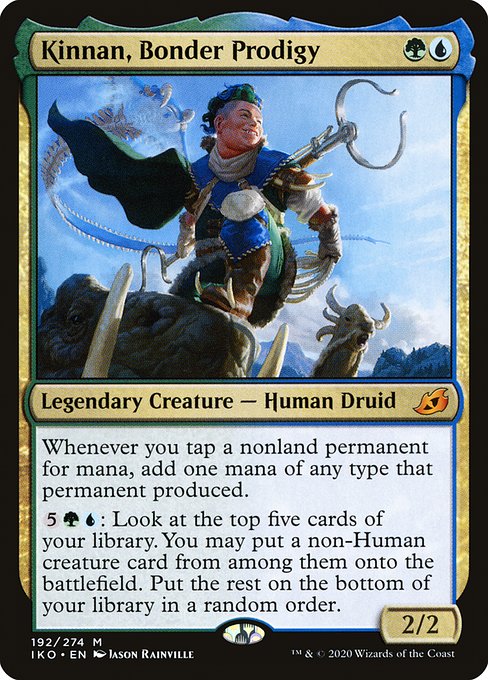
Kinnan, Bonder Prodigy
Nonland mana and creature access
Kinnan adds one mana of a type produced when you tap a nonland permanent for mana.
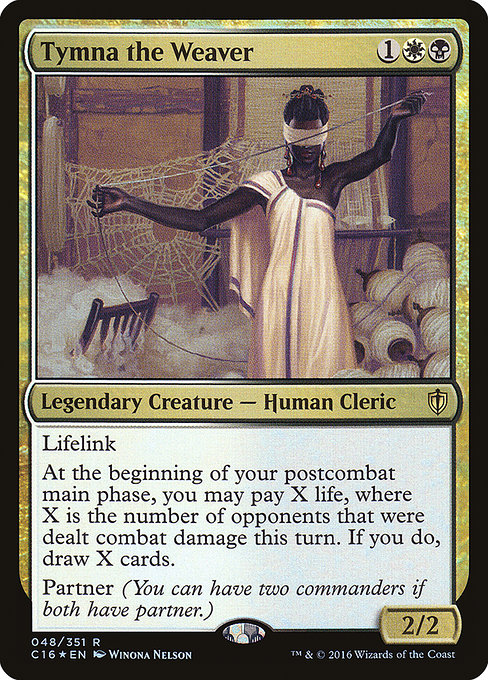
Tymna the Weaver
Combat-based card access
Tymna checks the number of opponents dealt combat damage during the turn.
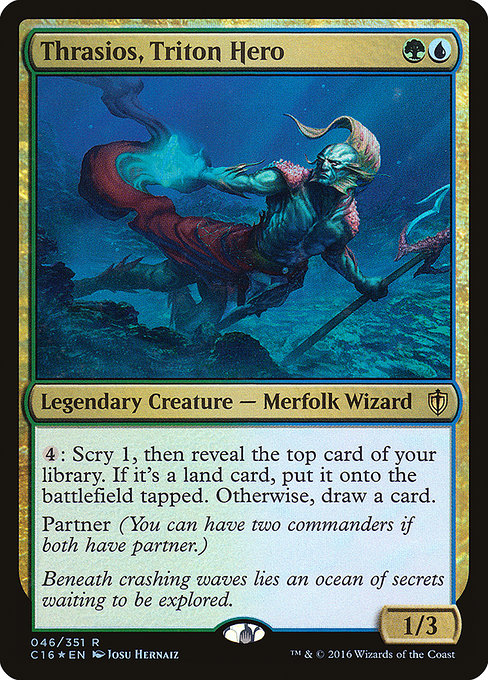
Thrasios, Triton Hero
Repeatable mana conversion
Thrasios spends four mana to scry and then reveal the top card.
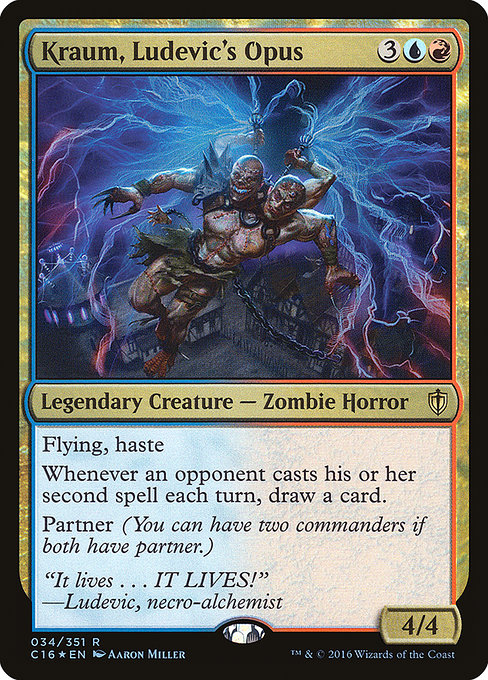
Kraum, Ludevic’s Opus
An opponent-cast draw condition
Kraum draws when an opponent casts their second spell each turn.
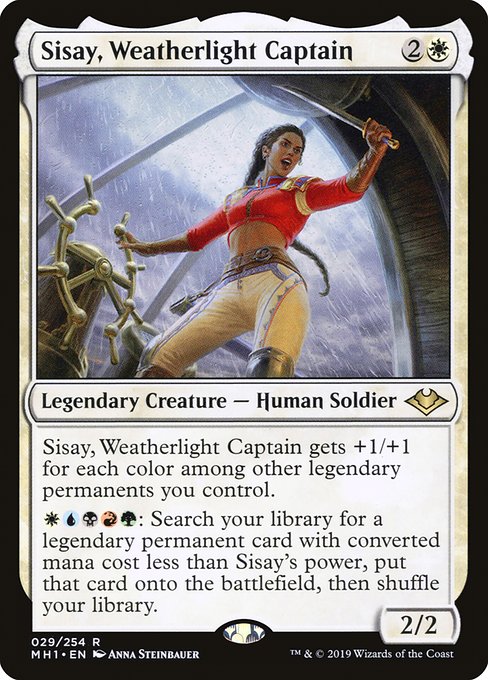
Sisay, Weatherlight Captain
Power-gated legendary access
Sisay searches for a legendary permanent with mana value strictly less than its power.
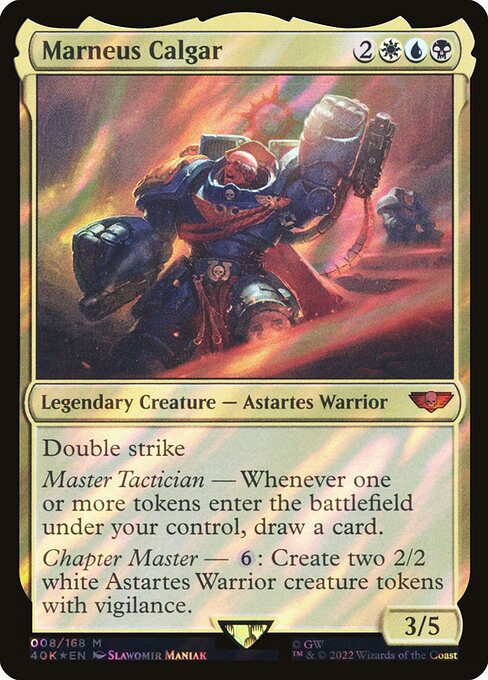
Marneus Calgar
Token-entry access
Marneus draws from one or more tokens you control entering.

Inalla, Archmage Ritualist
Conditional eminence copying
Inalla can offer a one-mana payment after another nontoken Wizard you control enters while the required command-zone or battlefield condition holds.
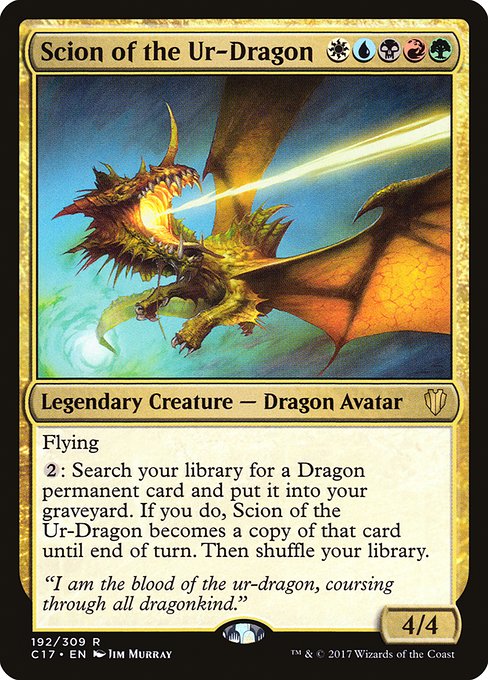
Scion of the Ur-Dragon
A temporary copy through a library search
Scion can pay two to search for a Dragon permanent card, put it into the graveyard, and become a copy until end of turn if that card was put there.
Kinnan, Bonder Prodigy
It does not simply double every land or every amount of mana. Its separate activated ability looks at five cards and can put a non-Human creature among them onto the battlefield. Distinguish the triggered mana support from the creature activation when choosing an answer. A restriction covering one does not automatically erase the other.
Tymna the Weaver
Its postcombat main-phase opportunity can draw that many cards when the life payment is made. Several attackers hitting one opponent do not count as several damaged opponents. Read the actual battlefield before assigning the deck a draw rate. A commander in the command zone or a board unable to connect does not provide the same resources as a developed combat engine.
Thrasios, Triton Hero
A land enters tapped; another card is drawn. The ability does not require casting the revealed card to supply that result. A mana outlet rewards resources that actually remain available. Identify whether the deck can activate while preserving interaction rather than assuming every turn uses all its mana on the commander.
Kraum, Ludevic’s Opus
Each opponent has a separate count, and a countered spell was still cast. The flying, hasty body also creates a combat option that can matter beside the draw text. The third spell from that same opponent is not another second spell. Track the condition accurately when evaluating how an opposing multi-spell turn changes Kraum’s resources.
Sisay, Weatherlight Captain
Its power can grow from colors among other legendary permanents you control. The five-color activation puts the found card directly onto the battlefield. Equal mana value is not less than the current power. Changing the relevant board before resolution can change the available search range, so a declared future target is not a substitute for evaluating the actual resolving ability.
Marneus Calgar
Several tokens entering together can generate one trigger, while separate entry events can generate separate triggers. Its six-mana activation creates two Warriors together. That activation normally produces one token-entry draw trigger from its two tokens, not two merely because the number of tokens is two. Other independent events or abilities can still matter.
Inalla, Archmage Ritualist
The created token copies that Wizard, gains haste, and has the specified next-end-step exile. The payment and the qualifying nontoken entry remain necessary. Do not replace the text with every Wizard makes a free permanent copy, and keep later entry triggers separate from casting events.
Scion of the Ur-Dragon
The selected card is not directly cast or put onto the battlefield by that instruction. This uses a different resource path from Sisay’s direct placement. Keep the graveyard move, copy duration and actual commander designation visible when studying a specific sequence.
Turn the snapshot into a three-session practice plan
For the first session, choose one commonly represented configuration and identify the opening resource it wants. Practice your own development while preserving a relevant answer. Write the actual colored mana needed rather than assuming every available land can pay every interaction spell.
For the second session, introduce a different action type. A spell-based answer that worked against the first sequence may miss a commander activation or entry trigger. Name the difference before changing cards. This keeps the adaptation grounded in an interaction point rather than the impression that one commander feels unfair.
For the third session, stop your own first attempt and continue the game. Count the resources left, the next accessible command-zone card, and the time needed to try again. A list that looks excellent in an uninterrupted demonstration can expose a recovery gap here. That gap is a concrete tuning question regardless of the deck’s place in a participation table.
Keep the resulting notes with the saved list. They should explain why a card entered the deck, which action it covers, and which resource was removed to make room. Revisit those reasons when the expected field changes, while leaving unrelated parts of a functioning list intact.
Recorded participation in the inspected October 2026 view
| Commander configuration | Recorded entries | Share of inspected dataset |
|---|---|---|
| Kraum / Tymna | 1,273 | 7.45% |
| Kinnan | 1,154 | 6.75% |
| Rograkh / Thrasios | 873 | 5.11% |
| Rograkh / Silas | 757 | 4.43% |
| Sisay | 649 | 3.80% |
| Thrasios / Tymna | 503 | 2.94% |
A decision table for the interaction
| Position | Correct result | What to check |
|---|---|---|
| Metagame share | Recorded participation within filters | Not game win probability |
| Conversion | Specified qualifying finishes divided by entries | State the finish cutoff |
| One event finish | Dated local observation | Not a global ordering |
| New card or ban headline | Check format and effective date | Commander is distinct from Competitive Brawl |
Frequently asked questions
Build your deck
Put these choices into a Commander list. Create a free account to save your deck and keep tuning it with Deckcipher.
FAQ
What date does this cEDH snapshot describe?
The review date is October 25, 2026. Its participation table uses the inspected six-month window, fifty-player minimum event size and twenty-entry commander threshold. Those settings are part of the claim, not a timeless global ranking.
Does the largest metagame share mean the highest win rate?
No. Share describes participation within the defined sample. Win rate and conversion use different outcomes and denominators. A popular configuration can be widely played without proving it wins a larger fraction of games than every smaller configuration.
Are entries the same as unique players?
Not necessarily. The same pilot can enter more than one event with the same or different lists. Treat entry counts as recorded appearances unless the dataset explicitly defines and supplies a unique-player measure.
Can a commander have more than one archetype?
Yes. The supporting list can change its resource engine, speed, interaction and finish. Broad labels help orient preparation, but the actual actions and cards determine which answers work in a particular game.
Does one event prove the best commander?
No. A dated finish is a real observation with context, not a complete separation of deck strength, pilot decisions, pairings and event structure. Use several observations and actual list review before making broad claims.
Does Competitive Brawl legality apply to cEDH?
Not automatically. Multiplayer cEDH uses Commander rules and legality unless the event adds explicit rules. A different format’s ban or commander restriction must not be silently transferred into the Commander list.
Should I change my whole deck after one loss?
Start by identifying the actual failure. Missing a color, spending interaction too early and lacking an answer to a specific action are different problems. A focused change based on repeated evidence is easier to assess than rebuilding after one dramatic result.
How can I turn metagame research into a useful upgrade?
Name the opposing action, the response point and the card slot that addresses it while preserving your own plan. Save the original and revised versions, practice through an interruption, and record whether the new card solved the identified problem.