5 to $50. That is enough for 8 to 12 meaningful swaps across ramp, removal, draw, protection, sweepers, and mana fixing without rebuilding the entire deck."
}
},
{
"@type": "Question",
"name": "Should I upgrade ramp or win conditions first?",
"acceptedAnswer": {
"@type": "Answer",
"text": "Upgrade ramp first if the deck regularly starts slowly or cannot cast its commander on time. Better win conditions matter less when the deck misses early mana development or cannot double-spell in the midgame."
}
},
{
"@type": "Question",
"name": "Are budget staples always the best precon upgrade cards?",
"acceptedAnswer": {
"@type": "Answer",
"text": "No. A card can be strong and still be wrong for the shell. Match the upgrade to the deck's plan: token decks want token draw, graveyard decks want recursion and discard outlets, and commander-centric decks want protection."
}
},
{
"@type": "Question",
"name": "How many removal spells should an upgraded precon run?",
"acceptedAnswer": {
"@type": "Answer",
"text": "Most upgraded precons want about 8 to 12 interaction pieces, counting single-target removal, flexible answers, and sweepers. The exact number depends on your pod and whether your commander naturally controls the board."
}
},
{
"@type": "Question",
"name": "When should I upgrade the mana base?",
"acceptedAnswer": {
"@type": "Answer",
"text": "Upgrade the mana base early if your precon has many tapped lands, misses colors, or cannot cast early plays consistently. Start with budget fixing before buying premium lands."
}
}
]
}
]
}
Best Precon Upgrade Cards That Stay Budget-Friendly
Upgrade any Commander precon on a budget with practical card swaps for ramp, removal, draw, protection, sweepers, and better mana.
In this guide
Quick answer
The best budget precon upgrades fix jobs, not just card quality
The best precon upgrade cards that stay budget-friendly are cheap cards that solve repeated Commander problems: slow mana, weak interaction, unreliable card draw, and clunky recovery after board wipes. Start with 8 to 12 swaps, prioritize cards you will cast every game, and use role-based upgrades like Arcane Signet, Beast Within, Welcoming Vampire, Victimize, Blasphemous Act, and Exotic Orchard before chasing expensive staples.
A practical first upgrade package
Typical first budget
5 to $50
First swap count8 to 12 cards
Ramp target10 to 12 pieces
Draw target8 to 10 sources
Interaction target8 to 12 answers
Start by upgrading the cards you cast before turn four
Most Commander precons are playable out of the box, but they often spend the first three turns developing too slowly. A good budget upgrade plan does not begin with the flashiest finisher. It begins with the cards that let your deck participate earlier and more often. If a precon misses its second ramp play, taps too many lands on entry, or waits until turn five to hold up removal, the expensive top end never gets a fair test.
For a first pass, separate every possible upgrade into jobs: ramp, single-target removal, card draw, protection, recursion, sweepers, and mana fixing. Then choose cards that cover weak jobs without changing the deck's identity. A token precon wants draw that rewards creatures connecting or entering. A graveyard precon wants recursion that doubles as a sacrifice outlet or reanimation spell. A combat precon wants protection that keeps the commander alive without consuming a whole turn.
Use the deck price calculator before you buy. Budget-friendly does not mean every card is the cheapest possible version. It means the package improves your games more than the same money spent elsewhere. If one upgrade costs as much as six role-players, the six role-players usually do more for a fresh precon.
Budget upgrade cards that fit many precons
Arcane Signet
Card mention
Arcane Signet
Two-mana ramp
A reliable upgrade when a precon has too many three-mana rocks or colorless-only ramp pieces. It fixes all commander colors and helps cast key spells a turn earlier.
Best in three- and four-player pods where opponents usually supply at least one useful color. It is strongest when your precon wants to keep mana open on turn three.
A strong land upgrade for multicolor precons because Commander tables naturally provide multiple colors. It usually replaces a tapped land with a cleaner source.
Green decks often struggle with noncreature permanents. This answers almost anything at instant speed, and the 3/3 token is usually worth the flexibility.
Excellent when your precon has disposable creatures or enter-the-battlefield effects. It turns one small body into two real threats from the graveyard.
Replace slow ramp before replacing exciting spells
The most common precon mistake is leaving the mana package untouched because ramp cards feel boring. In practice, ramp upgrades are some of the highest-impact precon upgrade cards that stay budget-friendly. If your deck has several ramp pieces at three mana, your early turns are often land, land, ramp, then finally play a commander or engine. Two-mana ramp changes that pattern into land, ramp, commander or setup spell.
Arcane Signet and Fellwar Stone are the default artifact upgrades because they fit almost any color combination and keep the deck's plan open. Green decks can go further with Nature's Lore and Three Visits because those spells find lands instead of artifacts, which makes them harder to remove and better with shock lands or typed dual lands if you upgrade later. Even if your current mana base is basic-heavy, a two-mana land search spell still advances your turn sequence cleanly.
Ramp swap: cut clunky acceleration for two-mana plays
Many precons include ramp that is technically playable but too slow for a tuned table. These swaps improve the turns where the game is actually decided.
Arcane Signet
Card mention
Arcane Signet
Default upgrade
Use this when your precon needs fixing and faster starts. It is rarely the wrong first mana rock to add.
Upgrade interaction so your precon can answer the table
Precons often include removal, but not always the right removal. Sorcery-speed answers, narrow creature-only kill spells, and expensive interaction make the deck feel helpless against enchantments, combo pieces, and commanders that generate value immediately. A budget interaction suite should include answers that are cheap enough to cast while developing your board.
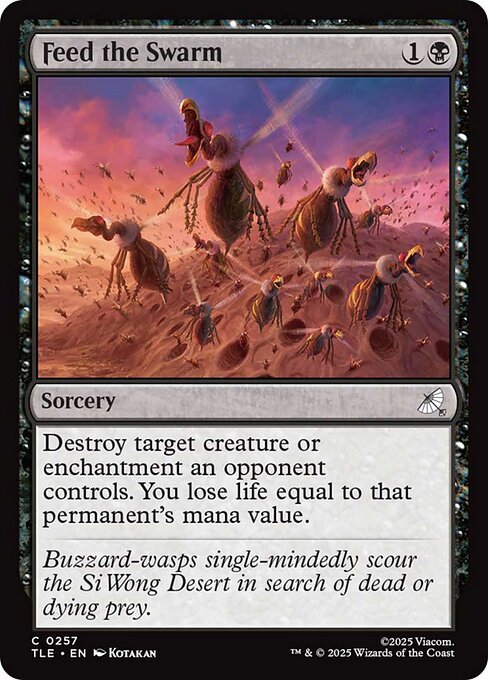
Swords to Plowshares is the cleanest creature answer in white because one mana changes combat math and commander timing. Beast Within and Generous Gift trade a token for the ability to answer nearly any permanent, which matters more than the drawback when a single enchantment or planeswalker is dominating the table. Reality Shift gives blue decks actual creature removal, Chaos Warp gives red a way to touch enchantments, and Feed the Swarm gives black decks an important answer type they do not always have.
Budget interaction upgrades by color
Swords to Plowshares
Card mention
Swords to Plowshares
Premium creature removal
One mana is the point. It lets white precons answer a commander and still use the rest of the turn to develop.
Choose card draw that matches the deck's actual plan
Card draw upgrades are where precon owners waste the most money by buying generic staples that do not match the shell. The right draw spell is not always the most powerful card in a vacuum. It is the card your deck can trigger repeatedly without changing how it already wants to play. A creature-heavy white precon wants repeatable small draw. A blue evasive deck wants rewards for combat damage. A red graveyard or spells deck wants filtering that puts the right cards in the graveyard.
Welcoming Vampire is a strong example for white creature precons because many tokens and utility creatures naturally meet its power restriction. Reconnaissance Mission is better in decks with evasive creatures, flyers, or go-wide combat, but unimpressive in a deck that attacks with only one large creature. Skullclamp is powerful when your deck creates one-toughness creatures, yet much less exciting if your board is mostly three-toughness value bodies. Faithless Looting is not raw card advantage, but it dramatically improves hands in red decks that care about the graveyard or need to discard expensive cards before reanimating them.
Budget draw upgrades that are not interchangeable
Welcoming Vampire
Card mention
Welcoming Vampire
Creature-based draw
Best when the precon makes small creatures across multiple turns. It rewards normal development instead of asking for a separate draw turn.
A precon upgrade plan that only adds ramp and draw can still lose badly when the commander is removed twice. Protection cards are strongest when your commander is the engine, the win condition, or the glue that makes the deck function. The goal is not to make the commander immortal. The goal is to force opponents to spend removal inefficiently and to avoid losing an entire turn to commander tax.
Swiftfoot Boots is often easier to use than Lightning Greaves in decks that need to keep targeting their own creatures with counters, auras, or equipment. Lightning Greaves is better when haste and zero equip are worth the shroud drawback. In graveyard-friendly black decks, Victimize is a different kind of protection because it rebuilds after removal or a sweeper. If your precon regularly has a small creature lying around, turning that creature into two returned threats is a massive tempo swing.
Protection choice: haste equipment or graveyard recovery
Pick the card that protects your deck's real bottleneck. Commander-centric decks need the commander to survive. Value decks often need to rebuild efficiently.
Swiftfoot Boots
Card mention
Swiftfoot Boots
Commander protection
Hexproof keeps your own targeting lines open while protecting the creature that matters most.
Use sweepers that fit your table, not just your colors
Board wipes are budget-friendly because many strong sweepers are inexpensive compared with popular engine cards. The question is which sweeper your precon actually wants. A creature-light spells deck can play a simple creature wipe and rebuild easily. A token deck may prefer a flexible wipe that can spare some of its own board or answer artifacts and enchantments. A battlecruiser deck needs a reset button for faster starts from the rest of the pod.
Blasphemous Act is one of the best red catch-up cards because it becomes cheap exactly when the board is crowded. Austere Command costs more mana, but the modes matter. It can remove small creatures while leaving large ones, clear artifacts and enchantments, or punish a board state without always resetting everything. If your precon loses to enchantment engines more than creature boards, the flexibility can be worth the extra mana.
Budget sweepers to stabilize upgraded precons
Blasphemous Act
Card mention
Blasphemous Act
Low-cost creature wipe
Best when your table develops wide boards. It often costs one or two mana in the midgame, letting you reset and redeploy.
Fix the mana base with cheap lands before buying luxury lands
Mana base upgrades do not have to mean expensive lands. Many precons include too many lands that always enter tapped, too few sources of a key early color, or utility lands that do not support the deck's first four turns. The best budget land swaps reduce stumble games without consuming the whole upgrade budget.
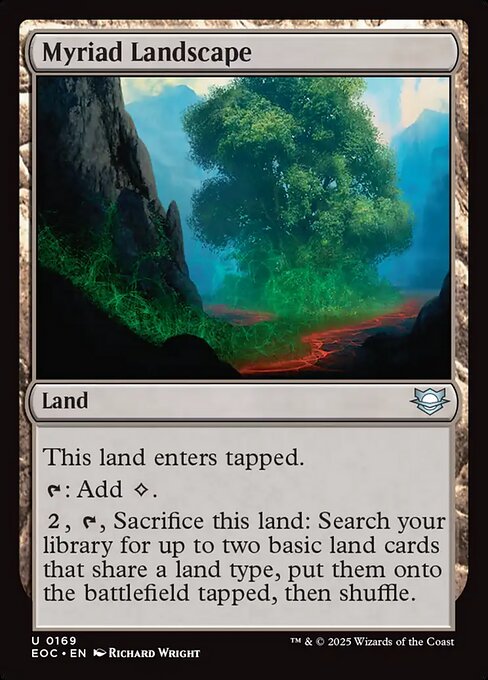
Exotic Orchard is a high-impact multicolor land because it enters untapped and scales with multiplayer color diversity. Path of Ancestry is slower, but excellent in typal precons where the scry triggers add up. Myriad Landscape is useful in slower mono-color or two-color decks that want land-based ramp, while Ash Barrens quietly fixes awkward opening hands by basic landcycling for the color you are missing.
Budget mana base upgrades
Path of Ancestry
Card mention
Path of Ancestry
Typal fixing land
Best in creature-type-focused precons. The tapped drawback is real, but repeated scry triggers can smooth draws over a long game.
It does not help when you are behind or short on mana.
Add cheaper draw, ramp, or interaction.
Three-mana ramp with no extra synergy
It delays your commander turn instead of accelerating it cleanly.
Move toward two-mana ramp.
Narrow removal
It sits dead against artifacts, enchantments, or noncreature engines.
Use flexible instant-speed answers.
Tapped land with no meaningful upside
It makes early turns clunky and limits double-spell turns.
Add better fixing or lands with relevant utility.
Win-more anthem or overcosted finisher
It is only good when your board is already safe.
Add protection, recovery, or a sweeper.
Build the upgrade package, then test before buying more
A clean budget upgrade package is usually better than a pile of individually powerful cards. For a
5 to $50 pass, try two ramp upgrades, three interaction upgrades, two draw upgrades, one protection or recovery card, one sweeper, and two mana base improvements. That gives the deck more functional games without erasing what made the precon appealing in the first place.
After those first swaps, play three to five games before making the next purchase. Track why you lost. If you lost with seven cards in hand, you probably need mana or cheaper spells, not more draw. If you lost with no cards in hand, add repeatable draw. If one permanent type kept beating you, tune the removal package. The commander deck audit, commander budget alternatives, and mana base calculator are useful after testing because they turn those observations into specific next changes.
Check whether your upgrade plan is still budget-friendly
Paste your list, price the package, then compare cheaper role-players before you buy cards for your precon.
How much should I spend on a first precon upgrade?
A practical first pass is usually
5 to $50. That is enough for 8 to 12 meaningful swaps across ramp, removal, draw, protection, sweepers, and mana fixing without rebuilding the entire deck.
Should I upgrade ramp or win conditions first?
Upgrade ramp first if the deck regularly starts slowly or cannot cast its commander on time. Better win conditions matter less when the deck misses early mana development or cannot double-spell in the midgame.
Are budget staples always the best precon upgrade cards?
No. A card can be strong and still be wrong for the shell. Match the upgrade to the deck's plan: token decks want token draw, graveyard decks want recursion and discard outlets, and commander-centric decks want protection.
How many removal spells should an upgraded precon run?
Most upgraded precons want about 8 to 12 interaction pieces, counting single-target removal, flexible answers, and sweepers. The exact number depends on your pod and whether your commander naturally controls the board.
When should I upgrade the mana base?
Upgrade the mana base early if your precon has many tapped lands, misses colors, or cannot cast early plays consistently. Start with budget fixing before buying premium lands.