
Quick answer
For a first Commander precon in October 2026, start by comparing the five monocolor Foundations Commander decks: Angels, artifacts, Zombies, Dragons, or big green creatures. Choose the theme you want to play repeatedly, then compare its delivered price. Multiverse Reforged offers a more intricate four-color alternative for players who want library reveals and planeswalker decisions. There is no single best box for every player or pod.
What is available in this buying guide
This guide focuses on six ready-to-play products released October 2, 2026: the five Foundations Commander decks and Reality Fracture’s Multiverse Reforged. It is reviewed October 25. The Foundations Commander decks are distinct from the earlier Magic: The Gathering Foundations release. Star Trek is scheduled for November 13 and is still an upcoming product at this review date, so its preview decks are not included as already released recommendations.
The official announced MSRP is $29.99 USD for each of the five Foundations Commander decks and $49.99 USD for Multiverse Reforged. Those figures provide a comparison point, not a promise about the current checkout price. Shipping, tax, currency, demand, and seller availability can produce a different total. A theme you like at a sensible delivered price is more useful than paying a premium simply because an online list calls a box the winner.
These picks are based on the actual commanders, stock decklists, and the decisions those engines ask you to make. They are not tournament rankings or reported win-rate results. A precon can be a good purchase for learning, a themed collection, or an upgrade project for different reasons. Name which goal matters before comparing the contents. Buying a box for a few singles is a different decision from wanting to play the whole list.
A shortlist by the experience you want
| Deck | Commander and colors | Choose it when you want |
|---|---|---|
| Calling All Angels | Giada, Font of Hope; white | Flying creature combat and a cheap command-zone setup piece |
| Keen Engineering | Sai, Master Thopterist; blue | Artifact casting, small flying bodies, and resource decisions |
| Wretched Ranks | Ghoulcaller Gisa; black | Sacrifice decisions and a growing Zombie army |
| Reign of Dragons | Lathliss, Dragon Queen; red | Large flying threats and Dragon-entry rewards |
| Tramplesaurus Rex | Ghalta, Primal Hunger; green | Big creatures, power-based cost reduction, and trample |
| Multiverse Reforged | Jace, Multiverse Architect; white-blue-black-red | A more intricate planeswalker and library-reveal project |
Monocolor construction reduces color-fixing demands, which can make it easier to concentrate on sequencing and combat. It does not remove all mana problems or make every spell easy to cast. The artifact deck asks different questions from the Dragon deck even though both use one color. Choose based on what you will enjoy doing during ordinary turns, not only the largest creature shown on the front of the box.
Calling All Angels: a clear flying-combat starting point
Calling All Angels is led by Giada, Font of Hope, a two-mana Angel with flying and vigilance. She can tap for white mana usable only to cast an Angel spell, and she causes other Angels to enter with additional +1/+1 counters based on the Angels you already control. The commander therefore helps both development and the size of later threats. That gives the deck a clear connection between the early setup and its eventual attacks.
The mana ability is not unrestricted white mana. You cannot use it for an ordinary removal spell just because the spell is white. Giada is also a creature with a tap-symbol ability, so a newly cast Giada normally cannot use it immediately without haste. Plan the turn you deploy her and the next Angel rather than assuming that two mana spent on the commander is refunded on the same turn.
Choose this deck if building a visible airborne board is appealing. The cost is dependence on keeping a creature engine and enough cards to continue playing Angels. A board wipe or repeated commander removal can interrupt the sequence. Before adding another expensive Angel, inspect whether the stock draw and protection support the turns you actually play. See the Calling All Angels stock list before buying. Compare Calling All Angels prices.
Keen Engineering: artifacts that create another resource
Keen Engineering is led by Sai, Master Thopterist, who costs three mana and creates a 1/1 flying Thopter artifact creature when you cast an artifact spell. The trigger is from casting, not simply an artifact entering. Playing an artifact land or putting an artifact directly onto the battlefield does not count as casting an artifact spell. The resulting token can support combat, artifact count, or later resource conversion.
Sai can also pay one generic and one blue and sacrifice two artifacts to draw a card. That is a different ability with a real material cost. It can turn spare tokens into a needed card, but repeatedly sacrificing the board can undermine the artifact count that other cards need. The useful question is which resource matters now: a blocker, another artifact on the battlefield, or a card in hand.
Choose this deck when you enjoy small pieces working together and are willing to track casts separately from entries. Its ordinary decisions are more involved than simply playing the next large creature, but the blue-only mana base keeps one part of the game straightforward. Inspect the Keen Engineering list and identify which spells start the engine after Sai is removed. Compare Keen Engineering prices.
Wretched Ranks: sacrifice one body to make several Zombies
Wretched Ranks uses Ghoulcaller Gisa, a five-mana commander whose activated ability costs black, a tap, and sacrificing another creature. It creates a number of 2/2 Zombies equal to the sacrificed creature’s power. A large disposable body can therefore become several smaller bodies, giving the deck a recognizable material-conversion plan. The sacrificed creature is a cost, not a target that waits to be sacrificed after opponents respond.
Gisa needs to be able to tap, so casting her does not normally make that activation immediately available without haste. She also needs another creature to sacrifice. A hand containing Gisa’s mana cost and several expensive payoffs can still lack the material that starts the engine. Think about the creature you intend to sacrifice and what remains afterward before assuming the commander alone provides a full board.
Choose the deck if death triggers, graveyard resources, and deciding which creature is expendable sound enjoyable. It asks for more attention to costs and timing than a straightforward attack deck. A token can be useful sacrifice material, while an important draw engine may not be. Read the Wretched Ranks stock list and preserve independent card access rather than filling every upgrade slot with another payoff. Compare Wretched Ranks prices.
Reign of Dragons: a larger reward after the six-mana commander
Reign of Dragons is led by Lathliss, Dragon Queen. She costs six mana, flies, and creates a 5/5 flying Dragon when another nontoken Dragon enters under your control. The nontoken restriction matters: the Dragon token she creates does not itself start an endless chain of new Dragons. Her own entry also does not qualify as another Dragon entering for that ability.
This offers a satisfying payoff when the deck has enough mana and another Dragon to follow her. It also means the opening turns matter. Keeping only expensive Dragons can leave the hand unable to develop toward the commander. A cost reducer or mana source helps only if you can cast it and continue making the appropriate land drops. Review the early setup rather than judging the deck solely by the largest eventual attack.
Choose it for the experience of casting large flying threats and expanding the board from each qualifying Dragon. Be prepared to manage a higher-cost engine and to recover if a wipe removes several expensive permanents. The Reign of Dragons list shows the actual support available in the box. If the hand runs empty, another draw option may help more than yet another large Dragon. Compare Reign of Dragons prices.
Tramplesaurus Rex: total power makes Ghalta cheaper
Tramplesaurus Rex is led by Ghalta, Primal Hunger, whose printed cost is ten generic and two green. Her reduction uses the total power of creatures you control. This is not the greatest-power wording on the newer Ghalta the Unstoppable from Reality Fracture. Several medium creatures can contribute to Primal Hunger’s discount together, and the two green symbols still need payment.
For example, a board with total power ten can reduce the initial generic cost to zero, leaving two green mana before other cost changes. If you recast from the command zone with a two-mana tax and the same total power, two generic plus two green remain. A board with total power twelve can cover that generic tax contribution too. Losing a creature before you begin casting can change the cost, so calculate from the board you actually control.
Choose this deck if you want the early creature board to lead into a large trampling commander. That is a direct plan to understand, but it still needs card flow and answers when opponents remove the setup creatures. Ghalta does not make every expensive card in the hand cheaper. Inspect the Tramplesaurus Rex list and keep the ordinary development that lets the reduction work. Compare Tramplesaurus Rex prices.
Multiverse Reforged: choose the complexity deliberately
Multiverse Reforged is led by Jace, Multiverse Architect, a planeswalker with explicit permission to be your commander. He costs one generic plus white, blue, black, and red. The four-color requirement creates a different mana challenge from the five monocolor decks. Having five total mana is not enough if the hand cannot supply each required color.
His +1 draws two cards and then puts a card from your hand on the bottom of the library. His -3 exiles another target creature or planeswalker you control, then reveals cards until it finds a creature or planeswalker to put onto the battlefield. That is not a search where you simply choose the strongest card. You spend a battlefield resource and work with what the library reveals, while the rest of the revealed cards go to the bottom in a random order.
His combat ability also gives opponents a payment choice affecting whether their creatures can attack Jaces you control. It does not generally stop attacks against you. Choose this deck when you want to learn that more intricate resource and protection pattern, not merely because a planeswalker commander looks stronger. Read the Multiverse Reforged list and its colored requirements before paying extra for it. Compare Multiverse Reforged prices.
The command-zone engines you are choosing
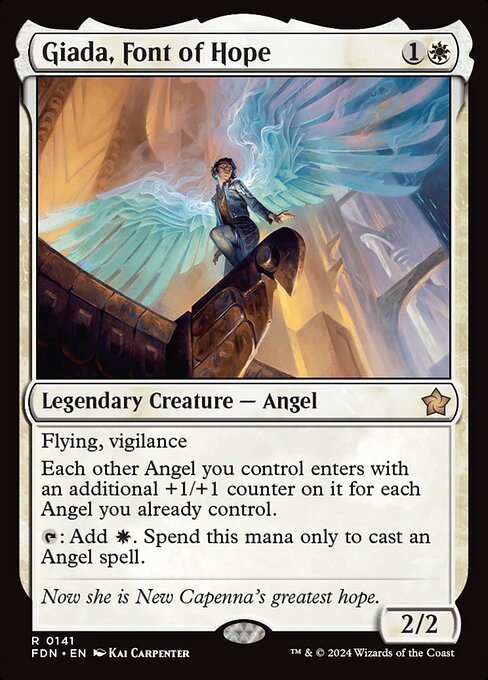
Giada, Font of Hope
Angel development
A cheap commander with restricted Angel mana and an entry-counter reward. Plan the turn when her tap ability becomes available.
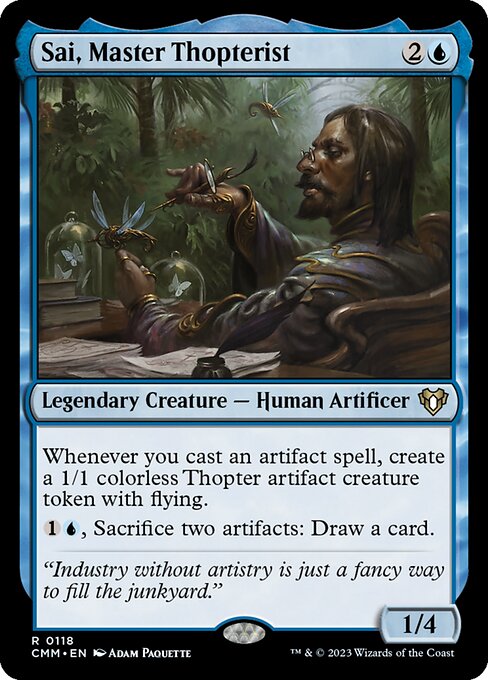
Sai, Master Thopterist
Artifacts and Thopters
Rewards artifact casts rather than all artifact entries. Spare artifacts can become cards through a separate paid sacrifice ability.

Ghoulcaller Gisa
Creature conversion
Needs a usable tap, black mana, and another creature. The sacrificed creature’s power determines the number of Zombies.
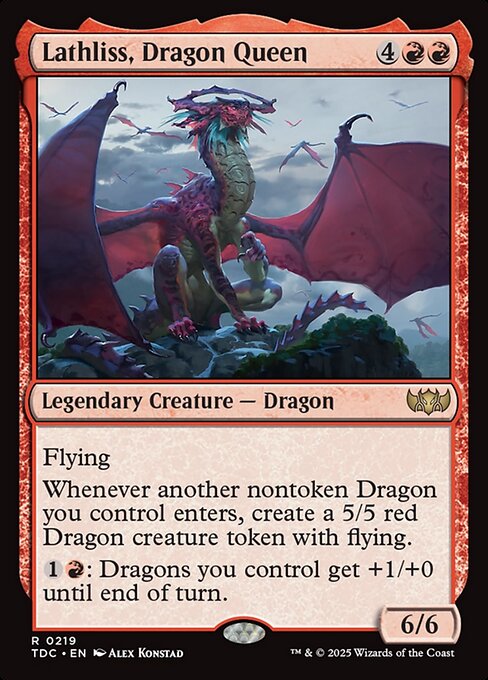
Lathliss, Dragon Queen
Dragon-entry payoff
Another nontoken Dragon supplies a token reward. Her own entry and the resulting tokens do not repeat that trigger by themselves.
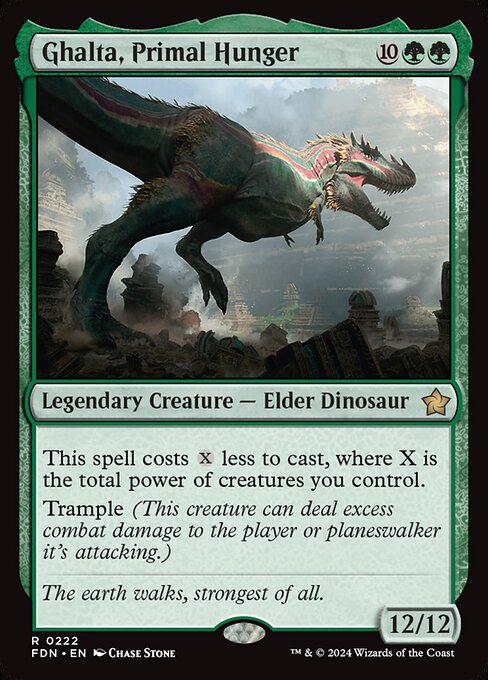
Ghalta, Primal Hunger
Power-based cost reduction
Uses total creature power, unlike a greatest-power discount. Colored requirements remain after generic reductions.

Jace, Multiverse Architect
Four-color library reveal engine
Has specific commander permission and several distinct decisions. His reveal ability does not let you choose any card in the library.
Compare the real product and the game it will join
Confirm that the listing is the complete sealed Commander deck you intend to buy. A single commander card, a box of tokens, an opened incomplete list, or a different product with the same theme is not equivalent. Check language and condition, and compare the complete delivered total with another available option. An advertised card-value total is not the amount you are guaranteed to recover by selling the contents.
For a gift or a new group, ask about the experience rather than guessing from a power number. Flying combat, artifact engines, and sacrifice decisions appeal to different players. A deck can be a good starting point even if another box contains more expensive singles. Precons are not automatically all in Bracket 2; use the current framework and the stock list’s actual play patterns to find an appropriate table.
Play the original deck before buying a large upgrade package. Note missed colors, expensive cards stranded in hand, and turns without useful card access. Then make a small revision for the problem you actually observed. Use Deckcipher’s deck builder and create a free account to save the stock and revised versions. The Commander deckbuilding checklist helps keep mana, cards, and interaction visible while you decide what comes next.
Build your deck
Put these choices into a Commander list. Create a free account to save your deck and keep tuning it with Deckcipher.
FAQ
Which of these is the best first Commander precon?
Begin with the theme you want to repeat. Calling All Angels or Tramplesaurus Rex can suit a player who wants a direct creature-combat plan. Keen Engineering and Wretched Ranks offer more resource conversion, while Reign of Dragons emphasizes expensive flying threats. Compare the actual price and the decisions you enjoy.
Are the listed MSRPs the current retailer prices?
No. They are the official announced USD reference prices: $29.99 for each Foundations Commander deck and $49.99 for Multiverse Reforged. Retail prices and checkout costs vary. Use the delivered total when deciding what to buy.
Are these the same products as the original Foundations release?
No. The five Foundations Commander decks discussed here released October 2, 2026. The earlier Magic: The Gathering Foundations release is a different product family. Check the exact deck name rather than relying on the word Foundations alone.
Do I need a multicolor deck to get a strong upgrade path?
No. A monocolor deck can support a substantial project while reducing color-fixing demands. The important question is whether its theme and resources interest you. More colors expand options but also make the mana and deckbuilding choices more demanding.
Can every planeswalker lead a Commander deck?
No. Jace, Multiverse Architect has explicit permission on the card. Do not assume a different planeswalker can be a commander merely because it is legendary or depicts the same character. Check the actual applicable commander rules and card text.
Are precons automatically Bracket 2?
No. Review the actual list under the current bracket criteria and describe its intended play. Being sold in a ready-to-play product does not override Game Changer limits, combo patterns, speed, or the expectations of your group.
Should I buy a precon only for a few valuable cards?
Compare the cards you actually need with their current delivered singles cost. A complete deck can be worthwhile when you want its strategy and support, but a card-value total is not guaranteed resale cash. Buying a few singles may serve a narrow collection goal better.
Should I wait for Star Trek instead?
At this guide’s October 25, 2026 review date, that release is scheduled for November 13. Wait if its theme is what you want, while treating it as an upcoming product rather than a released recommendation. You can also choose an existing deck whose gameplay and delivered price already fit your goal.