Best Budget Alternatives for Force of Will in Commander
Find budget Force of Will alternatives for Commander by role, price band, and power level, with cheap counters to buy first and key drawbacks.
In this guide
Quick answer
Budget Force of Will replacements should be chosen by job, not resemblance
There is no true cheap Force of Will. For this article, “budget” means roughly under
0 for most printings, with sub-
cards treated as true budget staples; check current prices because reprints move fast. Start with Arcane Denial, Counterspell, or Negate for casual control, Swan Song or An Offer You Can't Refuse for proactive decks, and Foil only when tapped-out protection is truly necessary.
Force of Will versus realistic Commander budget replacements
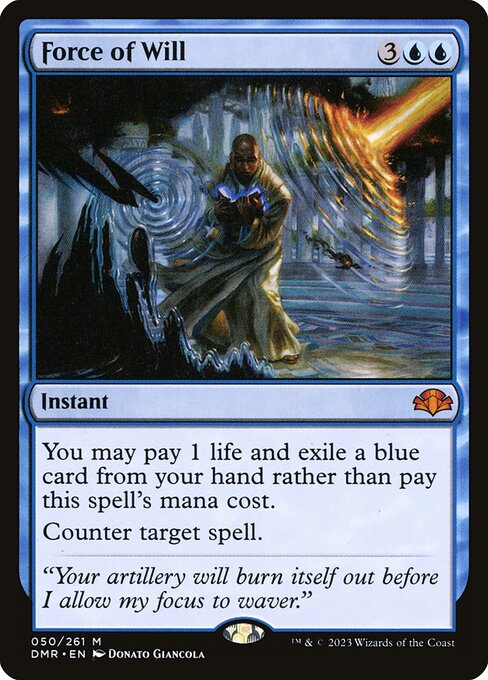
Force of Will is powerful because it answers a must-stop spell while you are tapped out. Budget replacements usually keep only one part of that package: low mana cost, broad coverage, or an alternate-cost emergency mode.
Force of Will
Card mention
Force of Will
Premium free stack interaction
The benchmark because it counters almost any spell for zero mana at the cost of another blue card and one life. Its biggest Commander value is protecting a win attempt or stopping someone else's win while you have no mana open.
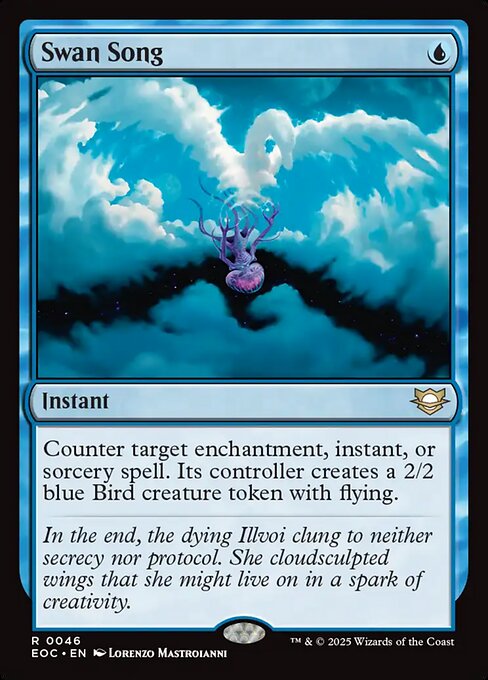
Efficiently answers many spells that decide Commander games: instants, sorceries, and enchantments. It misses creatures and leaves a 2/2 flyer, which can matter against planeswalkers or low-life players.
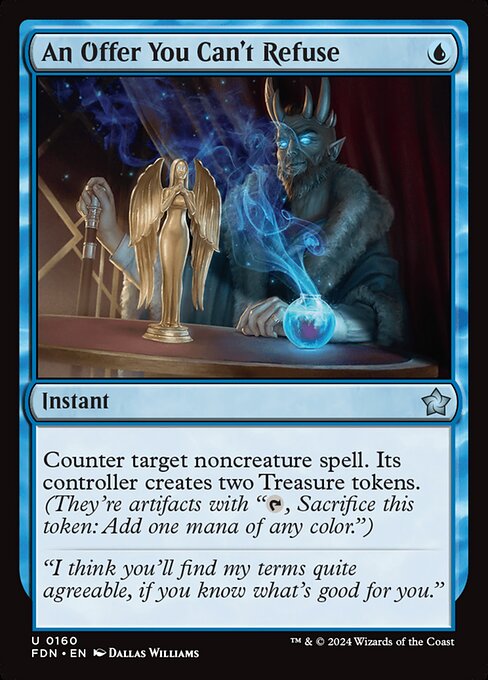
Excellent when the spell you stop matters more than the two Treasures. It is strongest protecting your win or stopping a game-ending noncreature spell, not trading on routine value.
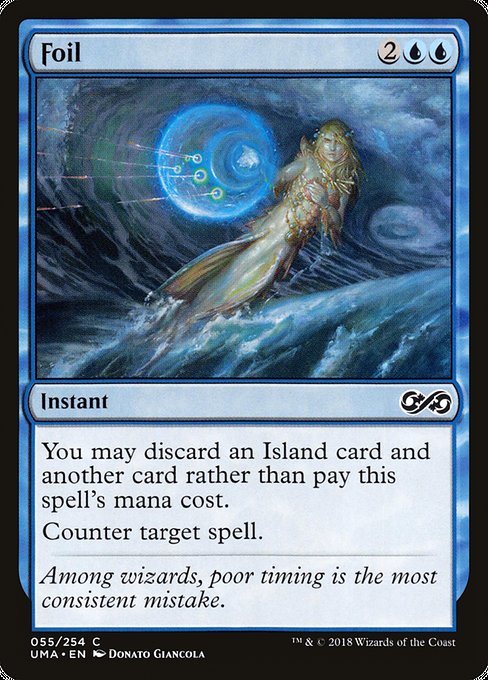
Can be cast for no mana by discarding an Island and another card. That is severe card disadvantage unless your deck uses the graveyard, extra lands, or discard synergies.
Often not a true budget card, so check pricing. It is best after ritual, tutor, protection, or counterwar sequences; it is not reliably free against the first spell of a turn.
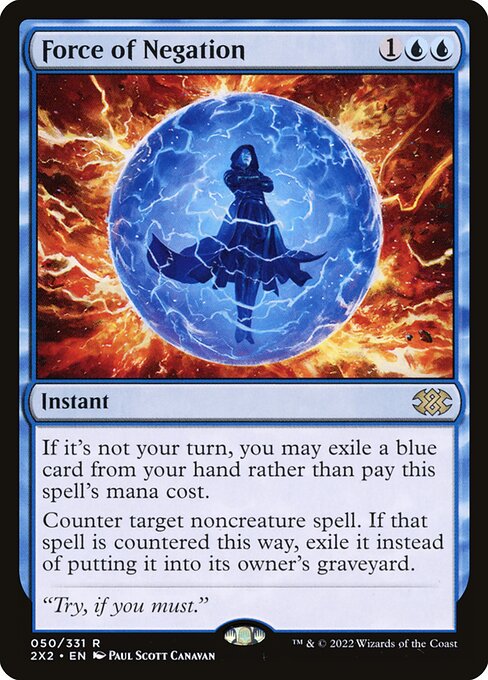
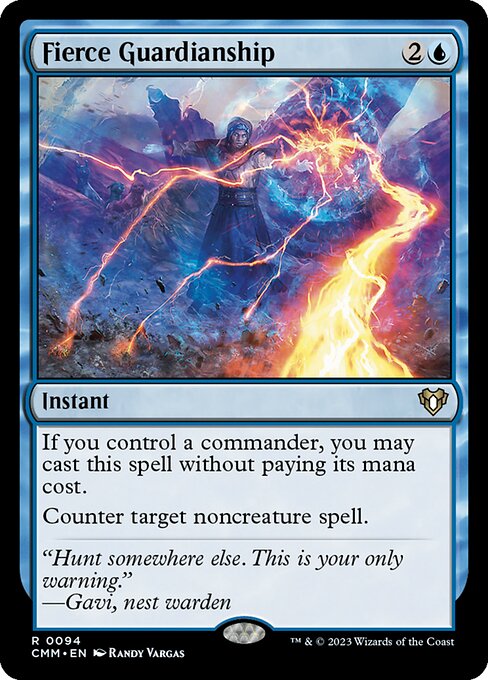
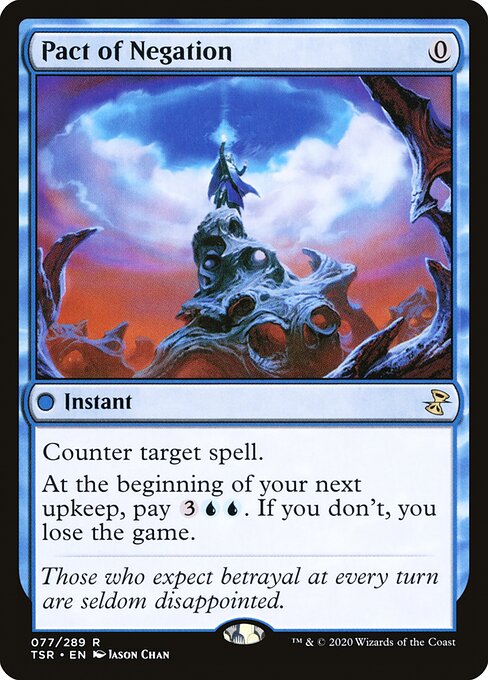
Force of Negation, Fierce Guardianship, and Pact of Negation are premium upgrades, not budget substitutes. They are useful comparison points because they show why zero-mana interaction is prized, but they should not be the first fix for most budget Commander decks.
Best one-mana budget alternatives
One-mana counters preserve the most important fair-game feature of Force of Will: you can develop your board and still represent interaction. The tradeoff is narrowness. These cards are at their best when you know which kind of spell usually decides your games.
Efficient one-mana options
Swan Song
Card mention
Swan Song
Best cheap answer to many game-ending spells
Stops instants, sorceries, and enchantments, including Rift, Ad Nauseam, many wipes, and protection counters. It misses creatures and gives a 2/2 flyer.
Counters a noncreature spell. Giving two Treasures can be disastrous in normal value exchanges, so prefer it when protecting your own win or stopping theirs.
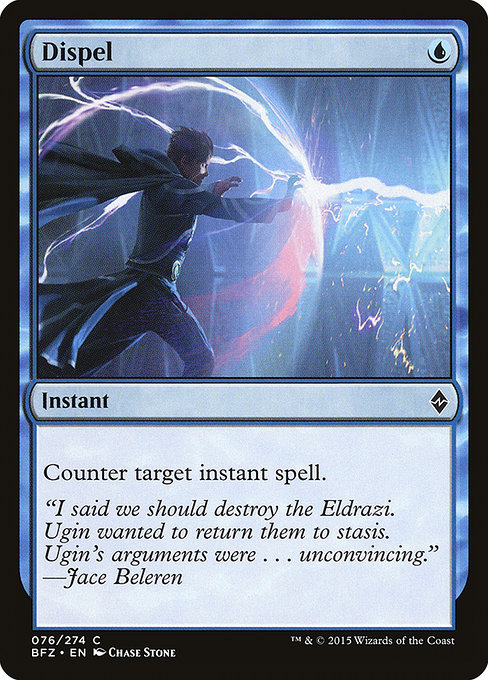
Counters only instants. It is great against removal, instant tutors, protection, and opposing counters, but misses sorceries, creatures, artifacts, enchantments, and planeswalkers.
Also consider the cheap-but-narrow bench. Miscast is a tax version of Dispel for instant-heavy metas. Wash Away is excellent against commanders, cascade, flashback, and other spells cast from unusual zones. Stubborn Denial belongs in decks that reliably control a creature with power 4 or greater.
Mental Misstep is legal in Commander, but it is a metagame card, not an automatic budget buy. Play it only if your room has enough Sol Ring, Mystic Remora, one-mana tutors, and one-mana interaction for it to be live.
Best two-mana budget alternatives
Two-mana counters are the most reliable budget replacements in casual and mid-power Commander. They are worse than Force of Will when you are tapped out, but they cover more real games than narrow free-spell imitations.
Reliable two-mana counters
Arcane Denial
Card mention
Arcane Denial
Easiest broad replacement
Counters any spell for one generic and one blue. The opponent draws two later, so avoid using it on medium threats unless you can handle the extra cards.
Tale's End counters a commander, planeswalker, legendary spell, or key activated or triggered ability. Dovin's Veto is excellent in Azorius decks because it wins fights over noncreature spells, but it is color-restricted.
Free and nearly free options when mana is the real issue
If the real problem is “I tap out and die,” the budget pool gets smaller. Free interaction is expensive because it breaks the normal rule that spending mana lowers your shields. Budget versions ask for harsher card disadvantage, narrower targets, or a specific metagame.
Budget-adjacent free interaction and comparison points
Foil
Card mention
Foil
Closest budget imitation of free blue interaction
Counters a spell by discarding an Island and another card. Best with graveyard value, land recursion, or decks that naturally hold extra lands.
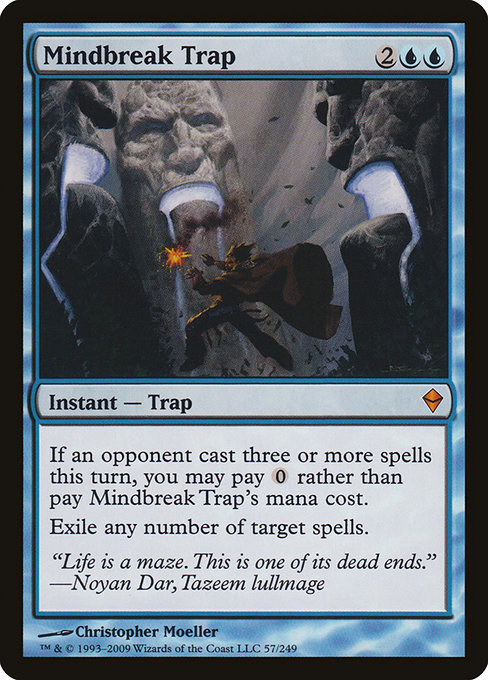
Can cost zero after an opponent has cast three spells that turn. Great after ritual/tutor/protection sequences; poor against the first Ad Nauseam, Rift, or wipe.
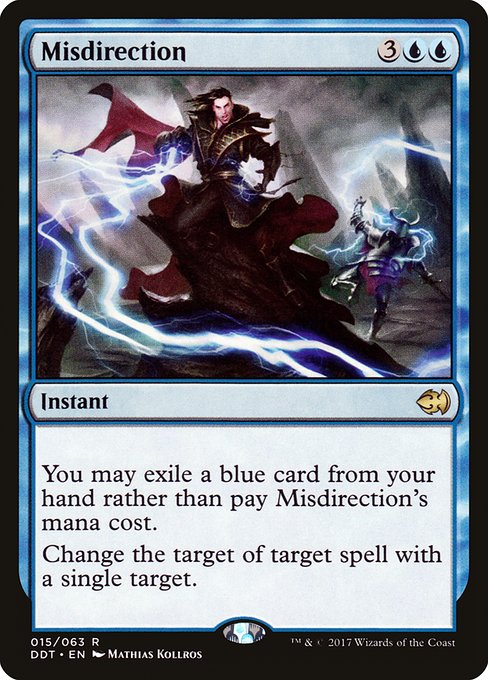
Redirects a single-target spell by exiling a blue card. It can steal removal or a draw spell, but it does not counter wipes, creatures, or most combo engines.
Other free-adjacent cards are worth knowing even when you reject them. Commandeer can steal a noncreature spell, but exiling two blue cards is brutal. Thwart is free only by returning three Islands, so it fits very few Commander decks. Daze is usually too easy to pay around in multiplayer. Abjure needs a blue permanent to sacrifice, making it a niche token or enchantment-deck option. Deprive is not free, but it is a reasonable two-mana counter if bouncing a land is acceptable or useful.
Mindbreak Trap deserves tight framing. It is excellent when an opponent casts rituals, tutors, and protection before a win attempt, or when a counterwar grows around Ad Nauseam or Demonic Consultation. It is not reliable against the first Ad Nauseam, Cyclonic Rift, or board wipe of a turn cycle unless you can pay four mana.
Match the replacement to your Commander deck
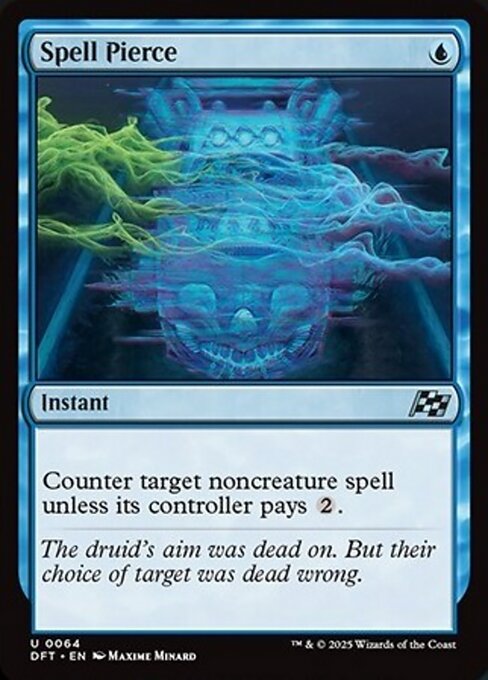
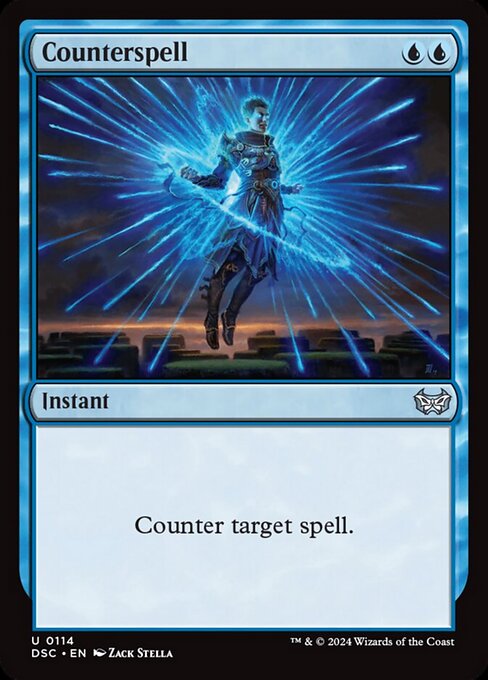
Casual Commander decks usually want dependable coverage: Arcane Denial, Counterspell if the mana works, Negate, and one efficient one-mana counter. Mid- and high-power decks care more about mana efficiency, so Swan Song, An Offer You Can't Refuse, Dispel, Spell Pierce, and Delay rise in value. cEDH-adjacent tables make free and one-mana interaction much more important because the decisive turn may happen before anyone has spare mana.
Deck role matters. A proactive combo deck wants to protect its own stack; a control deck wants broad answers and enough cards to survive multiple opponents; a commander-centric deck may want Stubborn Denial, Wash Away, or Tale's End because the fight revolves around commanders and specific abilities.
If your games are slower, do not overspend on premium free counters before fixing lands, draw, and removal. If your games are fast and players punish every tapped-out window, budget two-mana counters may not fully replace Force of Will's role. Use the Bracket Calculator to frame that power-level conversation before buying.
0 can start with Counterspell, Arcane Denial, Negate, Dispel, and either Spell Pierce or Wash Away. That package covers broad spells, noncreature haymakers, and a few cheap stack fights without pretending to be free interaction.
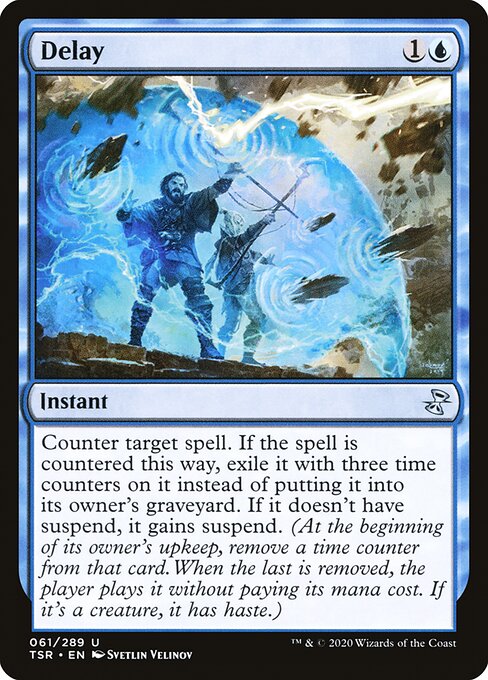
Izzet spellslinger protecting a combo turn should prioritize Swan Song, An Offer You Can't Refuse, Dispel, Spell Pierce, and Delay. The goal is not to answer everything forever; it is to force through the decisive turn while spending as little mana as possible.
How many counterspells should a budget blue deck run?
Most casual blue Commander decks can start with six to ten pieces of stack interaction, then tune by speed. Proactive decks may run fewer broad counters if they have efficient protection. Control decks usually need more total interaction because they plan to answer multiple players over a longer game.
Budget also means opportunity cost. If Force of Will costs as much as several lands, draw spells, and removal upgrades combined, your deck may improve more by spreading the money around. Use the Deck Price Calculator or current TCGplayer links to verify whether a card is still in your budget band.